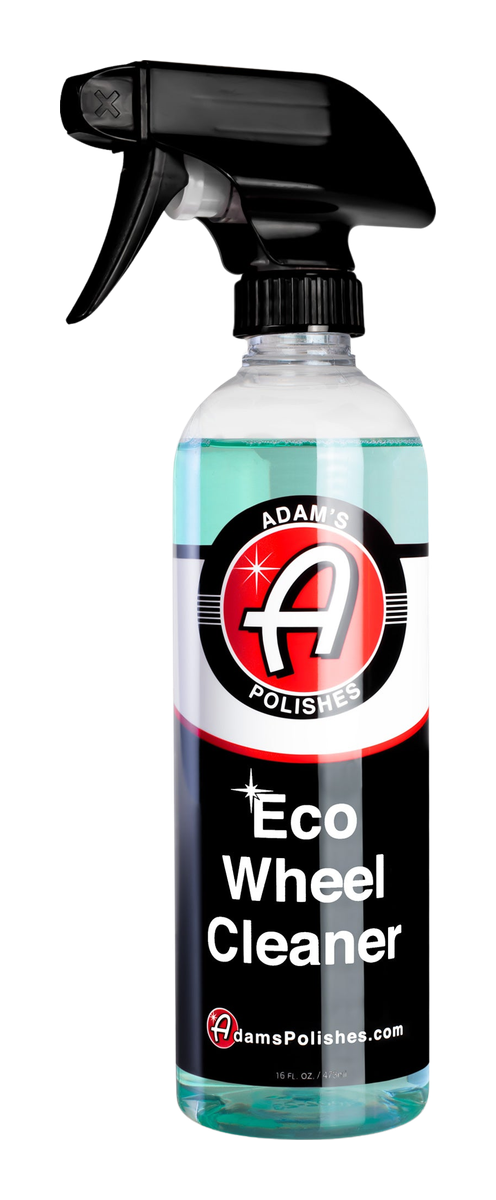
Adam's PolishesEco Wheel Cleaner
Updated · 6 ingredients analyzed
$0.34BEST $/OZ
A pH-neutral wheel cleaner using GLDA chelation technology for safe cleaning across all wheel types and finishes.
Key Chemistry
pH
5.5–6.0
Active Mechanism
Chelation-based cleaning with mild acid boost - GLDA binds metal ions while citric acid provides gentle acidic cleaning
Surfactants
1
Expert Analysis
Uses tetrasodium N,N-bis(carboxylatomethyl)-L-glutamate (GLDA) as the primary active ingredient, creating a chelation-based cleaning approach that binds to brake dust and road grime without aggressive pH levels. The 5.75 pH formulation provides effective cleaning while remaining safe for delicate wheel finishes and coatings.
Key Differentiators
- •Eco-friendly formulation with biodegradable ingredients
- •GLDA chelation technology at 5-10% concentration provides thorough cleaning without harsh acids or strong alkalines
- •pH-neutral formulation safe for all wheel types including anodized, powder-coated, and ceramic-coated surfaces
- •Plant-derived surfactant (undecyl glucoside from sugar)
- •Natural citric acid instead of harsh mineral acids
Ingredients
Water
N/D
CAS: 7732-18-5solvent/carrier
Tetrasodium N,N-bis(carboxylatomethyl)-L-glutamate (GLDA)
5–10%
CAS: 51981-21-6chelating/sequestering agent
3-methoxy-3-methylbutan-1-ol
1–5%
CAS: 56539-66-3co-solvent
Citric acid
1–5%
CAS: 77-92-9ph adjusting agent
Undecyl glucoside
1–5%
CAS: 132778-08-6surfactant
Sodium hydroxide
N/D
CAS: 1310-73-2ph adjusting agent
Safety Profile
Signal Word
WarningEye Hazard
H319 - Causes serious eye irritationSkin Hazard
Not classifiedCorrosive to Metals
NoFlammable
No