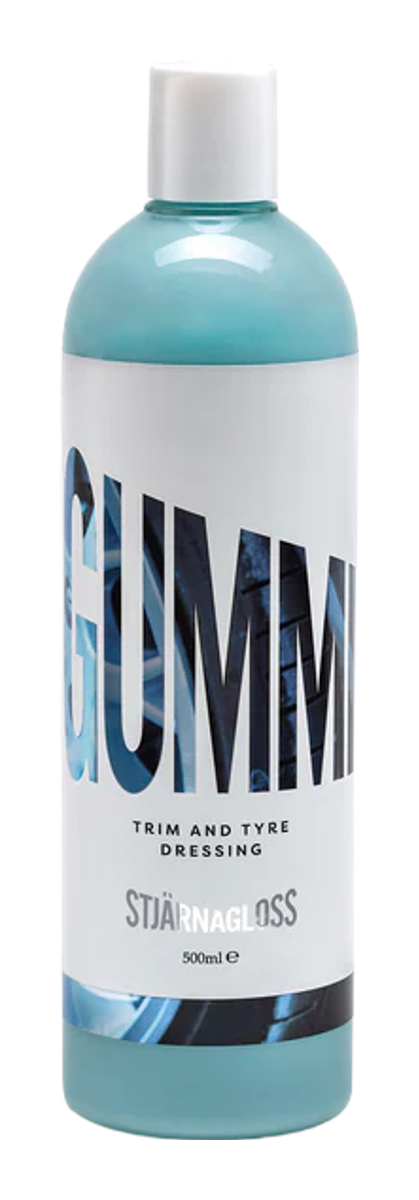
Stjarnagloss Gummi Trim and Tyre Dressing: ChemCX Analysis

Quick Answer
Stjarnagloss Gummi takes a solvent-based approach in a category dominated by water-based emulsions and silicone sprays. C12-C16 hydrocarbon solvents penetrate rubber and plastic more deeply than water-carried alternatives, while a cream consistency cuts the dripping and overspray that plague liquid dressings. Detailers who want lasting satin results on tires and unpainted trim without constant reapplication should take note.
What It Is
Gummi is a solvent-based tire and trim dressing from Stjarnagloss, a Swedish detailing brand that has built a following among enthusiasts for its focused product line. Solvent-based formulations work by dissolving into rubber and plastic surfaces rather than sitting on top like water-based emulsions, which typically improves penetration and longevity. It ships ready-to-use so you can just grab the bottle and apply directly, no dilution required.
Specifications
| Attribute | Value |
|---|---|
| pH | Not disclosed |
| Dilution Ratio | RTU (Ready-to-Use) |
| Key Actives | Hydrocarbons, C12-C16, isoalkanes, cyclics, under 2% aromatics |
| Signal Word | None |
| Transparency | moderate |
Category Context
| Metric | This Product | Category Average | Category Range |
|---|---|---|---|
| pH | Not disclosed | 7.5 | 4.99 - 11.5 |
| Price/oz | $0.65 | $0.84 | $0.21 - $1.66 |
Where It Lands
Stjarnagloss does not disclose a pH for Gummi, which is common among solvent-based dressings (pH measurement applies to aqueous solutions), and solvent carriers don't register on that scale the way water-based products do. This means the pH positioning chart isn't useful here. What matters instead is the solvent chemistry itself: solvent-based dressings typically penetrate porous rubber and plastic more deeply than water-based alternatives, delivering longer-lasting results with a richer finish. The trade-off is slower flash time and more care needed around painted surfaces.
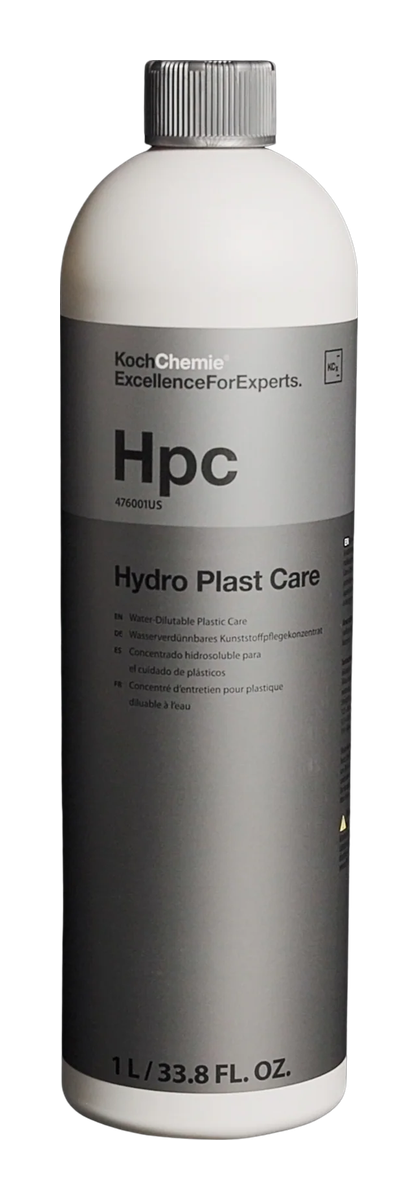
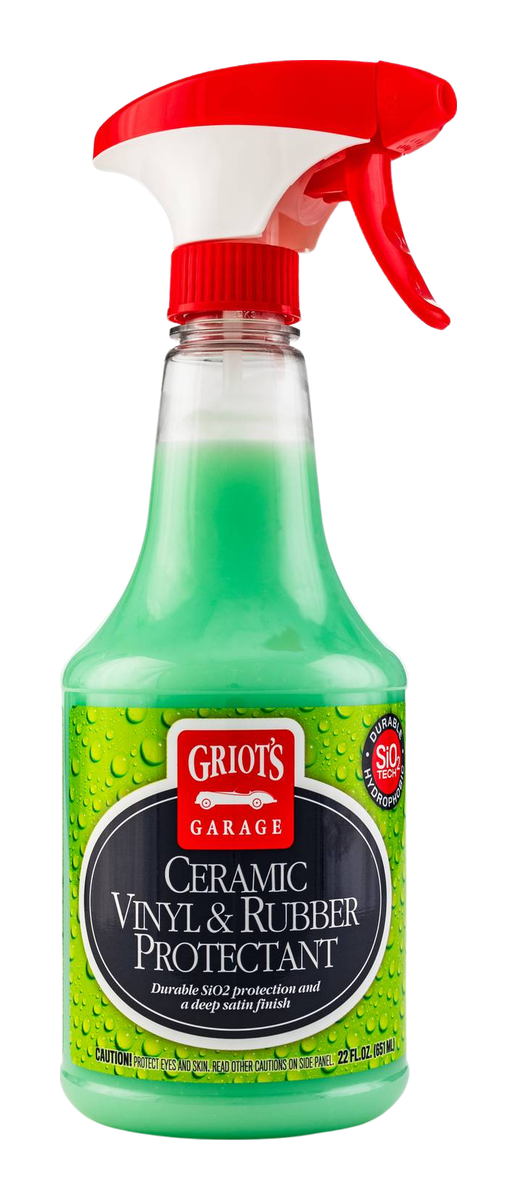
Gummi lands at $0.65/oz, well below the category average of $0.84/oz. For a solvent-based RTU product, that's competitive. Koch-Chemie Hydro Plast Care sits at a similar price point with comparable solvent-based chemistry, while Griots Ceramic Vinyl Rubber Protectant offers ceramic-infused durability at roughly the same cost per ounce.
How It Compares
Closest Alternatives
Koch-Chemie Hydro Plast Care shares the solvent-based approach but brings Koch-Chemie's professional-grade formulation pedigree. At a comparable price point, the trade-off is mostly preference.
Griots Ceramic Vinyl Rubber Protectant adds ceramic-infused durability to the dressing category. For anyone prioritizing longevity over reapplication ease, it offers longer intervals between coats. The trade-off: ceramic additives can leave a slightly different sheen than traditional solvent dressings.
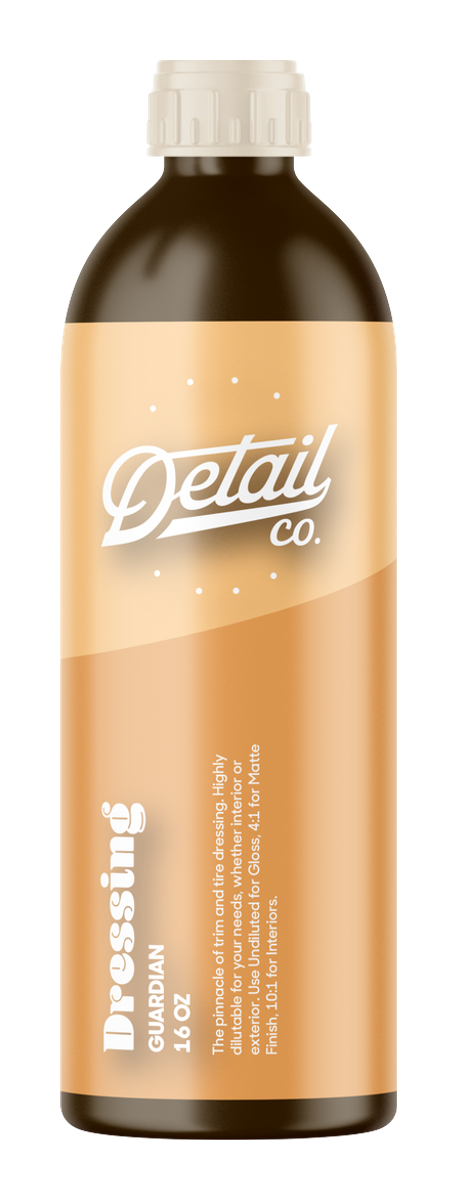
Detail Co Guardian Trim Tire Dressing targets budget-conscious buyers who want a similar solvent-based formula at a lower overall cost. A straightforward swap for anyone less invested in the Stjarnagloss brand ecosystem.
Compare These Products



How the Chemistry Works
The backbone of Gummi is a blend of two isoparaffinic hydrocarbon solvents, C12-C16 and C11-C13 cuts, both with less than 2% aromatic content. These light solvents penetrate rubber and plastic surfaces, dissolving oxidized residues and carrying conditioning agents into the substrate. Low aromatic content matters: aromatics accelerate rubber degradation over time, so keeping them minimal protects the surfaces the product is meant to restore.
A single nonionic surfactant, diethylene imidoxide oleate, holds the formulation together. It acts as an emulsifier, allowing the solvent phase to remain stable and spread evenly across tire sidewalls and trim. Nonionic surfactants work without ionic charge, which means they perform consistently regardless of water hardness during application or rinse.
The fragrance package leans heavily on citrus-derived compounds: d-limonene (listed as (R)-p-mentha-1,8-diene), para-cymene, lime peel extract, and camphene. No chelating agents appear in the formula, consistent with a product that relies on solvent action rather than chemical complexation to do its work.
What We Like
- Cream consistency controls product placement — thicker viscosity clings to tire sidewalls and trim edges without running onto paintwork or driveways, reducing waste per application compared to liquid solvent dressings
- Biodegradable solvent-based formula — a genuine rarity in this category, where most solvent dressings carry no eco credentials; users who prefer the durability of solvent chemistry can choose Gummi without the usual environmental trade-off
What to Know
- Cream format means hands-on application with a foam applicator pad. Budget extra time versus spray-on dressings, but the tradeoff is precise placement on trim edges and lettering without overspray onto paint.
- Solvent-based dressings can attract dust faster than water-based alternatives. Apply in thin coats and wipe off any excess to extend the clean look between washes.
- No published durability data from Stjarnagloss. Plan on reapplying every one to two washes and judge longevity by your own conditions rather than assuming multi-week persistence.
Who Should Buy This
Gummi fits detailers and enthusiasts who prefer hands-on application — the cream format rewards methodical tire and trim work with controlled, even coverage. It suits anyone who wants a solvent-based dressing without mixing or dilution steps. If you'd rather spray and walk away, Koch-Chemie Hydro Plast Care or Griots Ceramic Vinyl Rubber Protectant offer faster application in liquid spray formats.
Want to see how this stacks up? Compare these 3 tire dressings
Frequently Asked Questions
Why does Gummi use solvents instead of water-based silicone like most tire dressings? Isoparaffinic solvents carry conditioning agents deeper into porous rubber and faded plastic than water-based emulsions can. They flash off cleanly, leaving a matte-to-satin finish without the tacky surface film that silicone-heavy dressings often leave behind.
How does Stjarnagloss Gummi compare to Koch-Chemie Hydro Plast Care? Both are solvent-based and sit at a similar price point, but Gummi's cream consistency gives more control on vertical surfaces like tire sidewalls. Hydro Plast Care is thinner, which speeds application on large trim panels but can run on tires.
Is Stjarnagloss Gummi biodegradable? Yes. Stjarnagloss lists Gummi as biodegradable, and at $0.65/oz for an RTU product, it sits in competitive territory for an eco-conscious solvent dressing.
Do I need to dilute Gummi before applying? No. Gummi is ready-to-use. Apply directly to a foam applicator pad and work into the surface.