P&S Iron Buster: ChemCX Analysis

Ranked Performance
Pricing
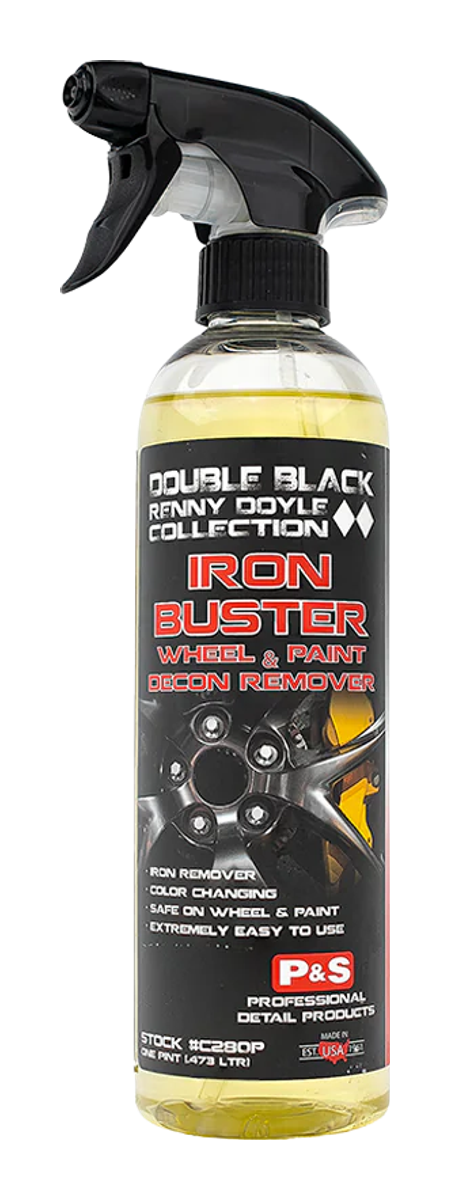
P&S Iron Buster pulls embedded iron particles out of wheel finishes and paint, and the spray turns purple as it works so you can watch it eat the contamination. That color shift is the useful part. You spray it on a clean wheel, watch the bleeding start where iron is sitting in the finish, and know exactly when it's done reacting before you rinse. It comes ready to use, so there's no mixing or guessing at dilution.
The work comes from sodium mercaptoacetate, a thioglycolate that bonds to iron particles and dissolves them off the surface. That iron-sulfur reaction is what produces the purple bleed: the deeper the color, the more contamination it's lifting. The mildly acidic formula keeps it gentle enough to leave wheel coatings and paint alone, which is why it's safe across finishes that a stronger acid would etch. It's a conventional thioglycolate iron remover, one of several at this pH, and it does the job cleanly without trying to reinvent the chemistry.
Specifications
| Attribute | Value |
|---|---|
| pH | 5.5 |
| Dilution Ratio | RTU |
| Key Actives | Sodium mercaptoacetate |
| Signal Word | Danger |
| Transparency | excellent |
| Biodegradable | No |
Category Context
| Metric | This Product | Category Average | Category Range |
|---|---|---|---|
| pH | 5.5 | 6.5 | 3 - 11 |
| Price/oz | $0.56 | $0.79 | $0.35 - $1.36 |
Where It Lands
P&S Iron Buster lands squarely in the mainstream of the iron remover category: mild, controlled, built for routine decontamination rather than rescue work. The pH of 5.5 sits a full point below the category average of 6.5, which keeps it gentle enough to qualify as safe for all wheel types, including coated and polished finishes that aggressive acids would etch. This is a maintenance-grade formula. It dissolves the brake dust and embedded iron that accumulate over a few weeks of driving without the bite needed to strip heavily neglected wheels in one pass.
For weekly or monthly decon, it outperforms harsher options by removing risk to the finish. On wheels left untouched for a season, you'll spray twice. It undercuts the similarly mild Maniac Line Iron Remover by a third, making it the cheaper way to buy the same gentle chemistry.
How It Compares
Closest Alternatives
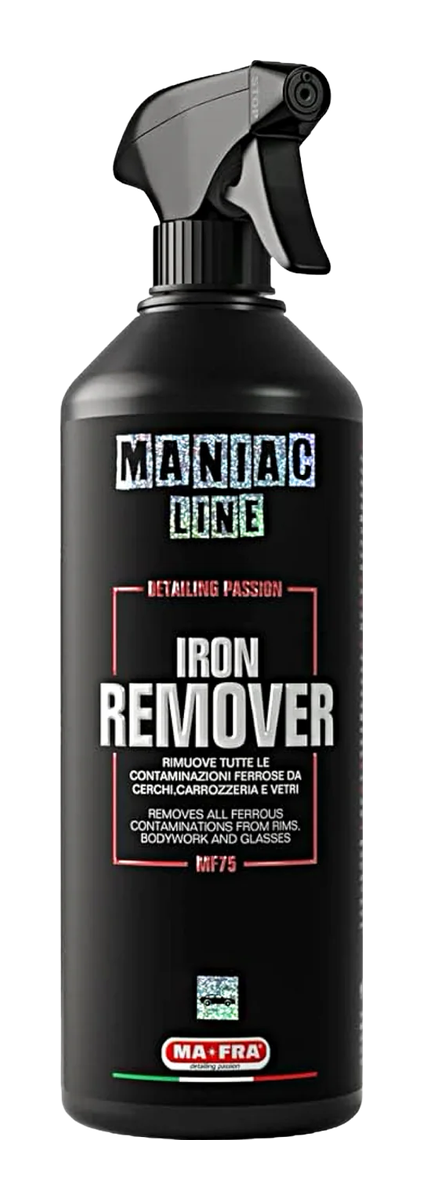
Maniac Line Iron Remover matches the thioglycolate chemistry and the 5.5 pH almost exactly, so the bleeding action and gentleness are the same. It runs 32% more expensive, which buys you no measurable performance gain over the subject product.
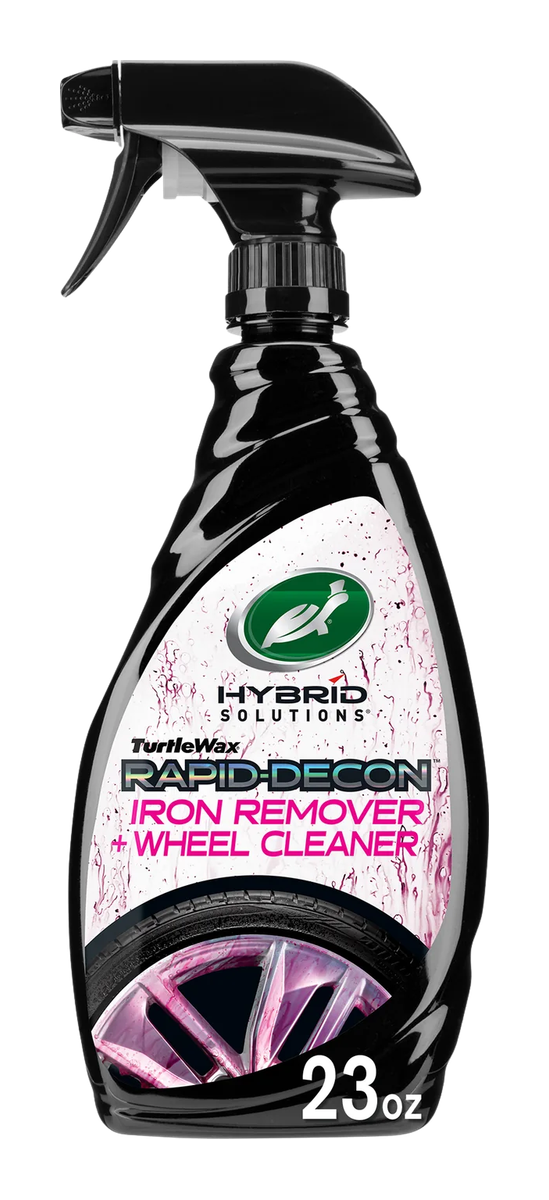
Turtle Wax Hybrid Solutions Rapid Decon Iron Remover lands at pH 5.3, a touch more acidic, and leans on a faster-acting decon approach. At $0.65/oz it sits between the two pricier options and the subject product.
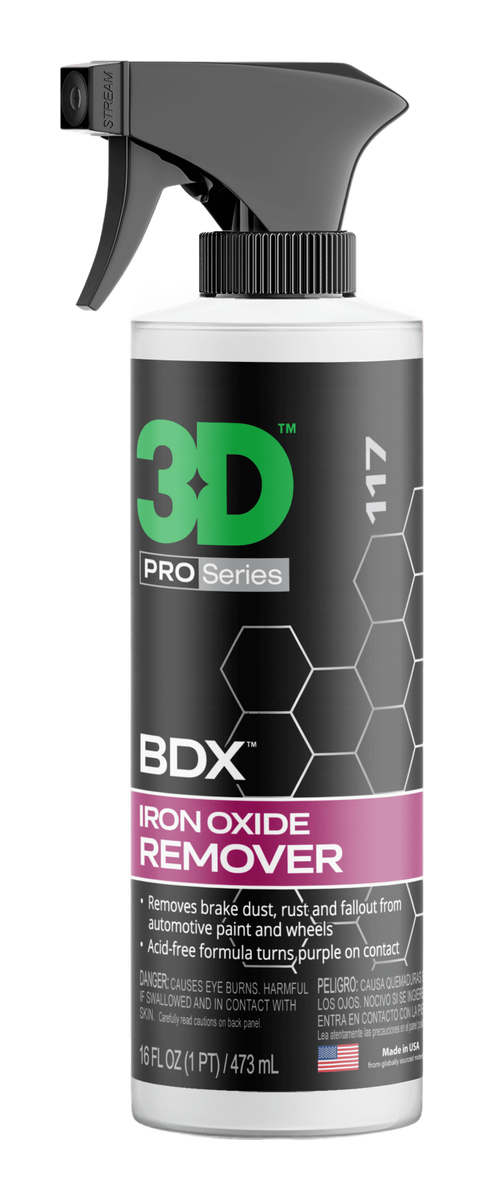
3D BDX Iron Remover runs slightly milder at pH 6 and costs $0.71/oz. The gentler formula suits frequent decontamination on delicate finishes, though you pay a premium for the lower acidity.
Compare These Products


How the Chemistry Works
Sodium mercaptoacetate does the work here. It's a thioglycolate, a sulfur-bearing compound that grabs onto iron atoms embedded in the wheel finish and converts them into a soluble iron complex that rinses away. That reaction is what you watch happen. The colorant shifts toward purple as the thioglycolate binds free iron, so the bleeding you see is the chemistry reporting its own progress. Four surfactants surround that active to make sure it reaches the metal. The ethoxylated C6-12 alcohols and the alkyldiphenyloxide disulfonate drop surface tension so the spray spreads into lug nut recesses and barrel faces instead of beading off. Sodium xylenesulfonate works as a hydrotrope, keeping the surfactant blend and the active dissolved in one stable solution rather than separating in the bottle.
The alkyldiphenyloxide disulfonate is the smart pick in this lineup. Most surfactants degrade in acidic conditions, and an iron remover spends its working life below neutral. This one stays stable across that range, so it keeps spreading the active evenly through the full dwell time instead of breaking down halfway through. Xanthan gum earns its place too. This fermentation-derived thickener gives the spray enough body to cling to a vertical wheel face for a minute or two, which is the difference between a reaction that finishes and one that runs into the brake caliper before it can work.
Full disclosure on all twelve ingredients confirms a conventional, well-built thioglycolate formula with no hard-water chelator. A chelator would help in hard water but can interfere with the iron-binding reaction itself, so leaving it out keeps the bleeding action clean. The acetaldehyde and branched fragrance allergen are there to soften the sulfur smell that thioglycolate carries. They mask it; they don't eliminate it.
What We Like
- Mild acidic formulation — sitting below the category average keeps the spray from etching aluminum or attacking wheel coatings, so you can use it on polished, painted, and clear-coated finishes without babysitting dwell time.
- Ready-to-use delivery — no mixing or dilution math means consistent contaminant-stripping performance every spray, and you're not guessing whether a weak mix left iron behind.
- Low cost per ounce — undercuts the category on price while matching the chemistry of pricier thioglycolate competitors, so routine wheel decon doesn't drain the bottle budget.
What to Know
- The sulfur stink is built into the chemistry — thioglycolate works by bonding to iron, and that reaction carries the rotten-egg odor that lingers on wheels and in the air. There's no fragrance fix for it. Work outdoors or in a bay with airflow and the smell clears faster.
- Gentleness means slower work on heavy contamination — the mild acidity that protects coatings also limits how aggressively it bites. Neglected wheels with baked-in brake dust may need a second pass rather than one soak.
- Ready-to-use convenience costs you cost-per-job — no diluting means no math, but you're paying full strength every spray with no way to stretch it.
Who Should Buy This
Reach for this when you're decontaminating wheels and paint on a regular schedule and want to see the contamination bleed out before you rinse. The thioglycolate chemistry converts embedded iron to a soluble complex without etching aluminum, so it earns its keep on polished lips, painted spokes, and clear-coated faces where a harsher acid would leave you watching the clock. It's also a clean pre-clay step on paint carrying rail dust from transport or fallout. If you maintain finishes you care about and want decontamination that won't fight the surface, this is the right tool.
Want to see how this stacks up? Compare these 3 iron removers
Frequently Asked Questions
Can I use Iron Buster on matte or satin wheel finishes? Yes. The thioglycolate chemistry pulls iron without acid etching, so it won't dull matte clear coats or strip satin finishes. Keep dwell time short and rinse thoroughly otherwise the purple residue left to dry can leave faint marks on porous matte surfaces. Test an inconspicuous spot first.
How long should I let it dwell before rinsing? Wait until the spray finishes turning purple and the color stops deepening, usually 3 to 5 minutes. The color shift tracks the reaction directly, so when it stalls, the accessible iron is converted. Don't let it dry on the surface — rinse while still wet.
Why does it smell like rotten eggs? That's the sulfur in the thioglycolate doing its job. The bonding reaction with iron releases the odor, and no formulation removes it. Work in open air.
How does it compare to Turtle Wax Rapid Decon? Nearly identical pH and bleeding action. Iron Buster discloses all 12 ingredients; Turtle Wax lists 19 but only partially.