Griot's Garage 3-in-1 Wheel-Tire-Mat Cleaner: ChemCX Analysis
Ranked Performance
Pricing
Quick Answer
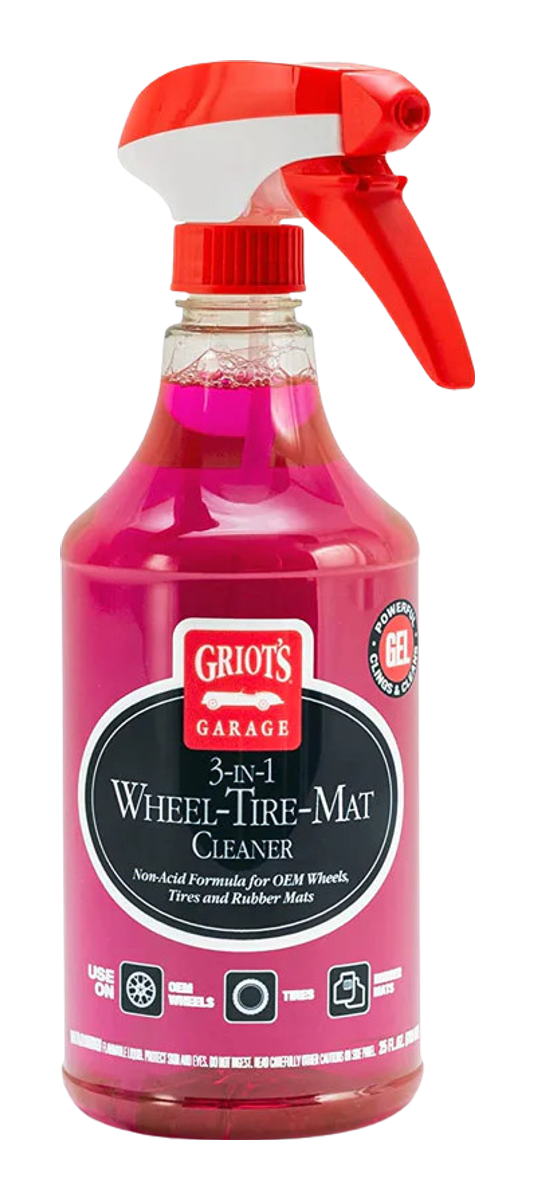
Griot's pH 12 formula consolidates three products into one, using sodium metasilicate pentahydrate to handle wheels, tires, and floor mats. At $0.39/oz with just 13 ingredients, this streamlined approach appeals to detailers who want fewer bottles without sacrificing alkaline cleaning strength.
What It Is
This 3-in-1 cleaner uses alkaline chemistry at pH 12 to break down organic contamination like brake dust, tire browning, and floor mat grime through saponification. As a ready-to-use formula, it requires no mixing or measuring, though the single-strength format means you cannot adjust concentration for lighter or heavier cleaning tasks.
Specifications
| Attribute | Value |
|---|---|
| pH | 12 |
| Dilution Ratio | ready_to_use |
| Key Actives | Sodium metasilicate pentahydrate |
| Signal Word | Danger |
| Transparency | excellent |
Category Context
| Metric | This Product | Category Average | Category Range |
|---|---|---|---|
| pH | 12 | 8.9 | 3.5 - 15 |
| Price/oz | $0.39 | $0.48 | $0.19 - $1.25 |
Where It Lands
At pH 12, this cleaner sits well into aggressive alkaline territory, three full points above the category average of 8.9. That alkalinity translates to effective breakdown of brake dust and road grime, the kind of contamination that bonds to wheel surfaces over time. For wheels that haven't been cleaned in weeks or have visible buildup, this strength makes sense. For lightly soiled wheels getting weekly attention, a milder option would reduce any risk to sensitive finishes like anodized or polished aluminum.
At $0.39 per ounce, this lands just under the category average of $0.48. Budget-conscious buyers working on heavily contaminated wheels could consider P&S Brake Buster, which offers similar chemistry at pH 12.5 for $0.19 per ounce.
How It Compares
Closest Alternatives
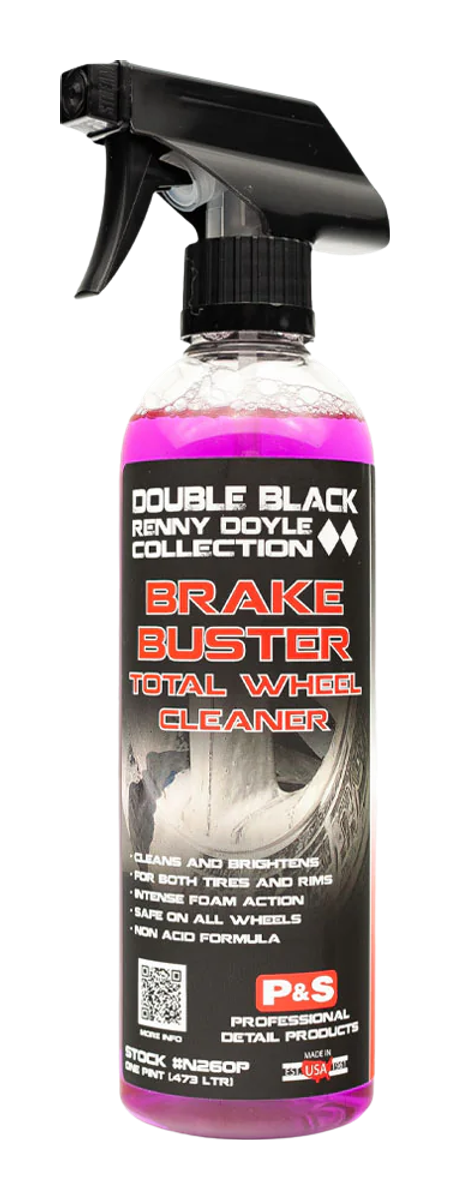
P&S Brake Buster costs $0.19/oz versus Griot's $0.39/oz, nearly half the price for similar cleaning strength at pH 12.5. Budget-conscious detailers doing high-volume wheel work could consider this for everyday maintenance, trading the multi-surface versatility for a wheel-focused formula.
Optimum Power Wheel Tire Cleaner runs slightly milder at pH 11.5, making it a little safer for coated or ceramic-protected wheels where you want cleaning without risking protection layers. The trade-off is reduced cutting power.
Turtle Wax Wheel Tire Cleaner pushes to pH 13, one full point more alkaline. This handles neglected wheels with baked-on contamination but increases risk on delicate finishes or aftermarket wheel coatings.
Compare These Products

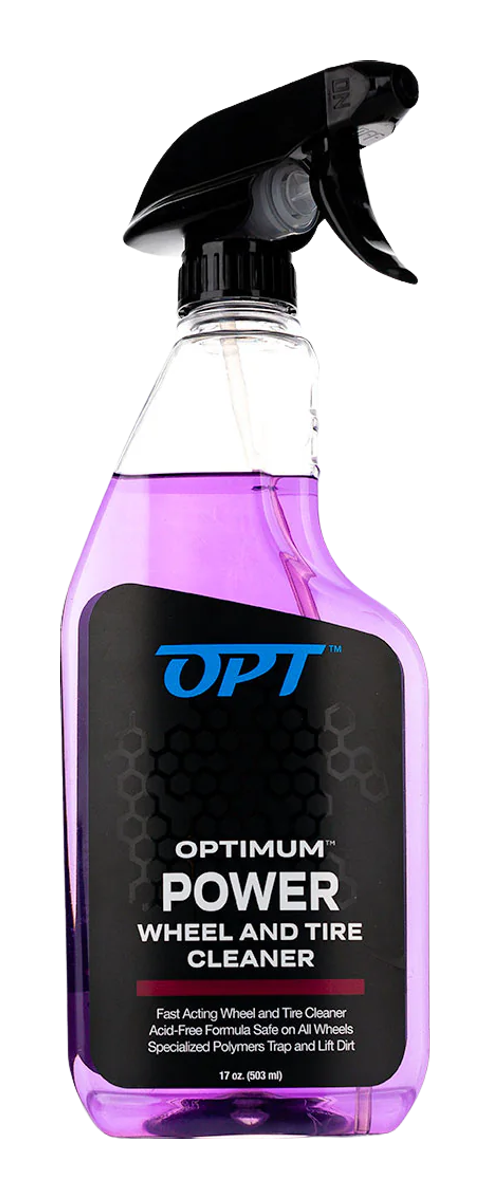

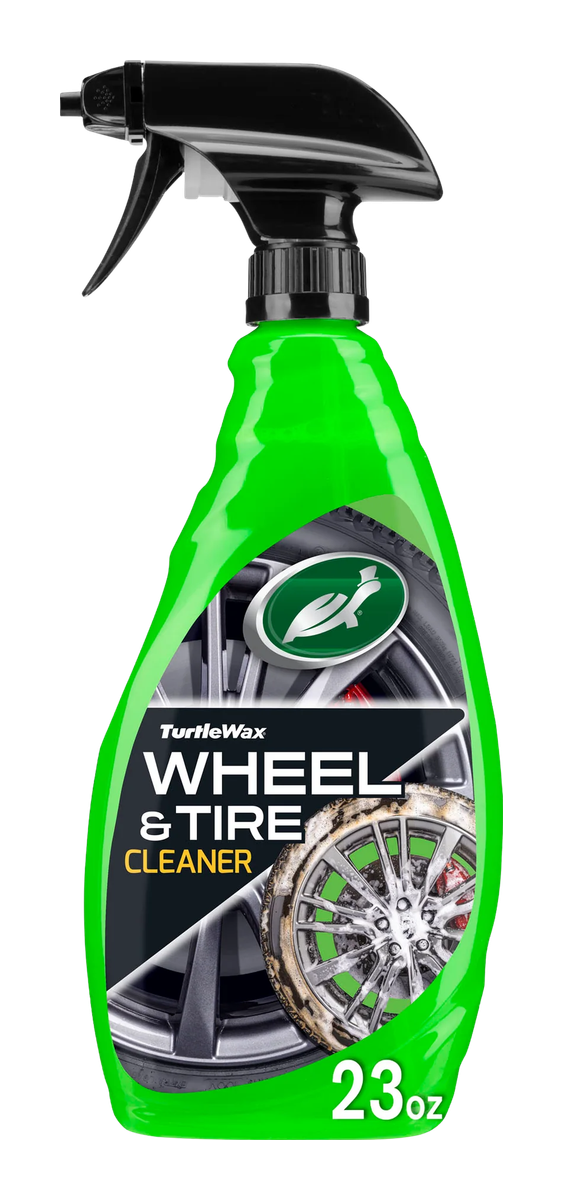
How the Chemistry Works
Sodium metasilicate pentahydrate drives the cleaning here, though at a modest 0.1-1% concentration. This alkaline builder creates a pH 12 environment that saponifies oils and greases, converting them into water-soluble compounds that rinse away. The relatively low concentration suggests this formula relies heavily on its supporting ingredients rather than brute alkaline force.
Diethylene glycol monobutyl ether at 1-5% provides the real muscle for dissolving stubborn contaminants. This glycol ether penetrates brake dust deposits and tire dressing residues, working alongside the two surfactants: cocamidopropyl betaine (amphoteric) and ethoxylated alcohols (nonionic). The amphoteric surfactant boosts foam and reduces irritation potential, while the nonionic component ensures hard water compatibility.
Xanthan gum thickens the formula for vertical cling on wheel faces and tire sidewalls. Glycerin adds lubricity and helps prevent premature drying during dwell time, giving the active ingredients more contact time with soiled surfaces.
What We Like
- True 3-in-1 formulation — one product handles wheels, tires, and floor mats, cutting your product inventory and simplifying the cleaning process
- Full ingredient disclosure with CAS numbers — you can verify coating compatibility or identify potential allergens before use
- Xanthan gum gel formula — clings to vertical wheel faces instead of running off, giving active ingredients more contact time on heavy brake dust
What to Know
- At pH 12 with a 'Danger' signal word, this cleaner sits at the caustic end of the spectrum, so gloves and eye protection are a good idea. Avoid prolonged contact on polished aluminum or anodized finishes, and rinse thoroughly to prevent sodium metasilicate from leaving white residue.
- The 3-in-1 formula handles wheels, tires, and floor mats with one product, which simplifies your routine. The tradeoff: dedicated wheel cleaners or tire dressings may outperform it on their specific tasks.
- At $0.39/oz for a ready-to-use format, you're paying for convenience over concentrate value.
Who Should Buy This
The 3-in-1 format suits users who want one bottle for wheels, tires, and floor mats without switching products. At pH 12 and ready-to-use, it handles moderate brake dust and road grime on alloy wheels without mixing. Those cleaning multiple vehicle areas in one session benefit from the versatility. Budget-focused detailers could consider P&S Brake Buster at $0.19/oz for dedicated wheel cleaning, while users wanting milder chemistry might prefer Optimum Power at pH 11.5.
Want to see how this stacks up? Compare these 3 wheel cleaners
Frequently Asked Questions
Is Griot's Garage 3-in-1 safe for ceramic coated wheels? The pH 12 formula and "Danger" signal word indicate this cleaner is highly alkaline. Avoid contact with ceramic coatings, as repeated exposure to high-pH products can degrade protective layers over time. Rinse thoroughly and work in shaded conditions to prevent the product from drying on surfaces.
How does the 3-in-1 compare to P&S Brake Buster? Both sit in the pH 12-12.5 range and handle similar cleaning tasks. The key difference is cost: Brake Buster runs about $0.19/oz as a concentrate versus Griot's $0.39/oz ready-to-use. If you clean wheels frequently, Brake Buster offers better value per application.
Why does this cleaner work on wheels, tires, and mats? Alkaline cleaners at pH 12 break down organic soils like brake dust, road grime, and ground-in dirt through saponification. This makes a single formula effective across multiple surfaces with similar contamination types.