Carbon Collective APEX Wheel Cleaner: ChemCX Analysis

Ranked Performance
Pricing
Badges
Quick Answer
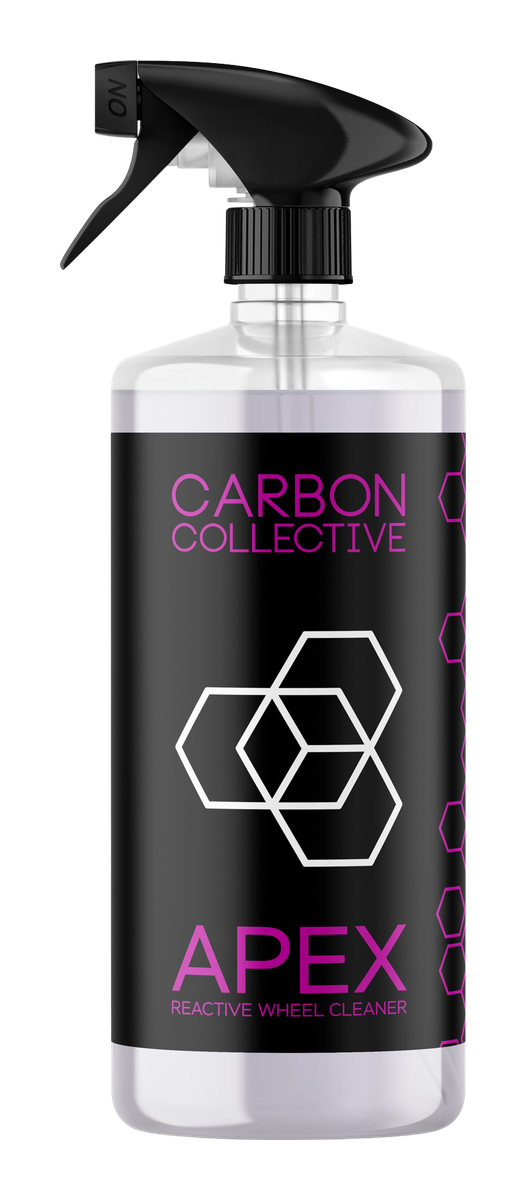
APEX Wheel Cleaner loads 20–30% sodium mercaptoacetate into a mildly acidic carrier, delivering one of the highest thioglycolate concentrations in the wheel cleaner category. That chemistry targets ferrous brake dust directly, chelating iron particles on contact with a visible color-change reaction, while staying gentle enough for coated and polished wheels. APEX offers aggressive iron removal without alkaline risk.
What It Is
APEX Wheel Cleaner is a thioglycolate-based wheel cleaner sold ready-to-use. Thioglycolate chemistry works by dissolving iron brake dust through a chemical reaction that turns the contamination purple on contact. The RTU format means no dilution or mixing; spray directly onto the wheel and let the chemistry do the heavy lifting. The acidic carrier sets it apart from the alkaline thioglycolate cleaners that dominate the category.
Specifications
| Attribute | Value |
|---|---|
| pH | 5 |
| Dilution Ratio | RTU (Ready-to-Use) |
| Key Actives | Sodium Mercaptoacetate |
| Signal Word | Warning |
| Transparency | moderate |
Category Context
| Metric | This Product | Category Average | Category Range |
|---|---|---|---|
| pH | 5 | 8.4 | 3.5 - 15 |
| Price/oz | $0.98 | $0.63 | $0.12 - $1.70 |
Where It Lands
APEX lands at pH 5, well below the category average of 8.4 and firmly on the acidic side. That acidity isn't necessarily about degreasing; thioglycolate chemistry dissolves iron-based brake dust through a chemical reaction with ferrous particles, not alkaline saponification. A mild acid carrier protects clear coats, anodized finishes, and ceramic coatings that alkaline cleaners can degrade over time. For heavily contaminated wheels with months of baked-on buildup, this approach works but demands longer dwell times than a pH 12+ alkaline blaster. For routine maintenance on coated or polished wheels, the gentle pH makes it a strong fit.
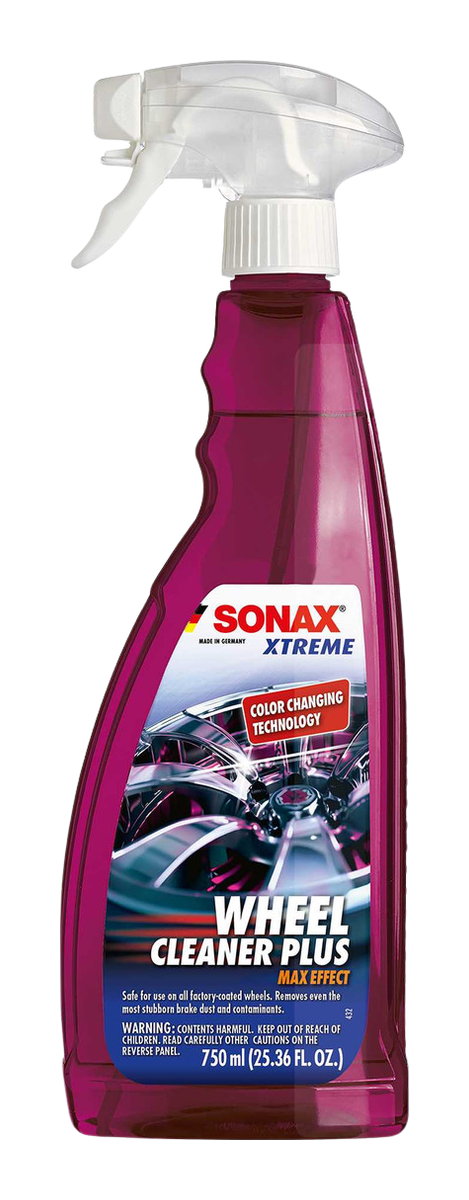
At $0.98/oz as an RTU product, APEX sits 55% above the category average of $0.63/oz. That's a premium, especially with no concentrate option to stretch value. Buyers wanting similar thioglycolate cleaning at pH 5.1 in an RTU format can look at SONAX Wheel Cleaner PLUS at roughly 40% less per ounce.
How It Compares
Closest Alternatives
SONAX Wheel Cleaner PLUS runs nearly identical chemistry at pH 5.1 but costs roughly 40% less per ounce. For pro detailers burning through bottles on multi-car days, the savings add up fast with no meaningful sacrifice in reactivity.
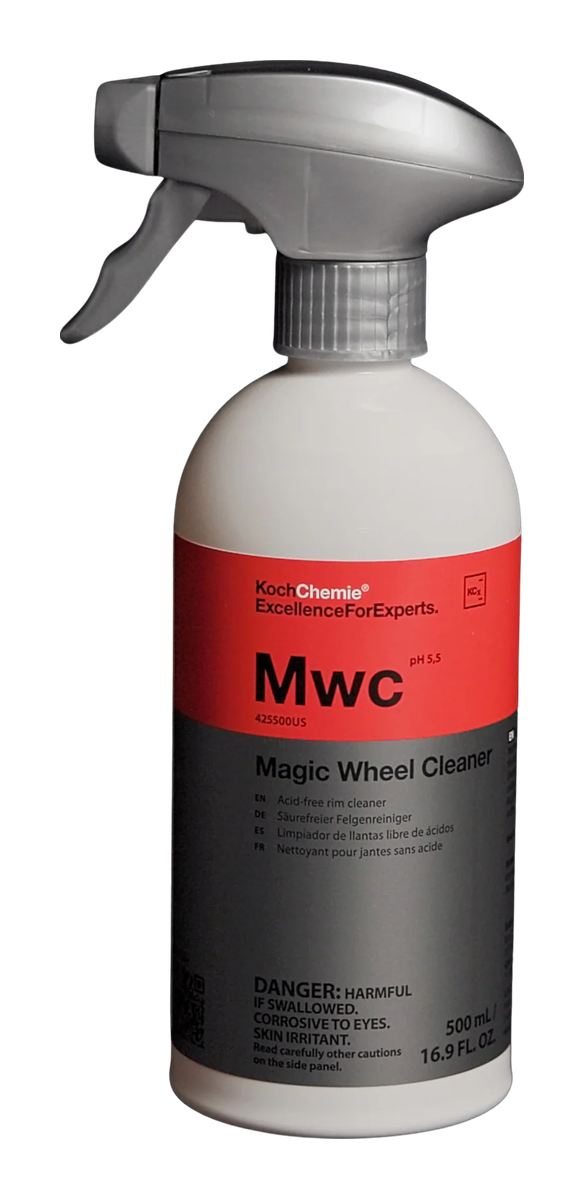
Koch-Chemie Magic Wheel Cleaner sits at pH 5.5 — slightly milder, which gives a wider safety margin on anodized or polished aluminum. The trade-off is marginally slower dwell-time performance on heavy iron deposits.
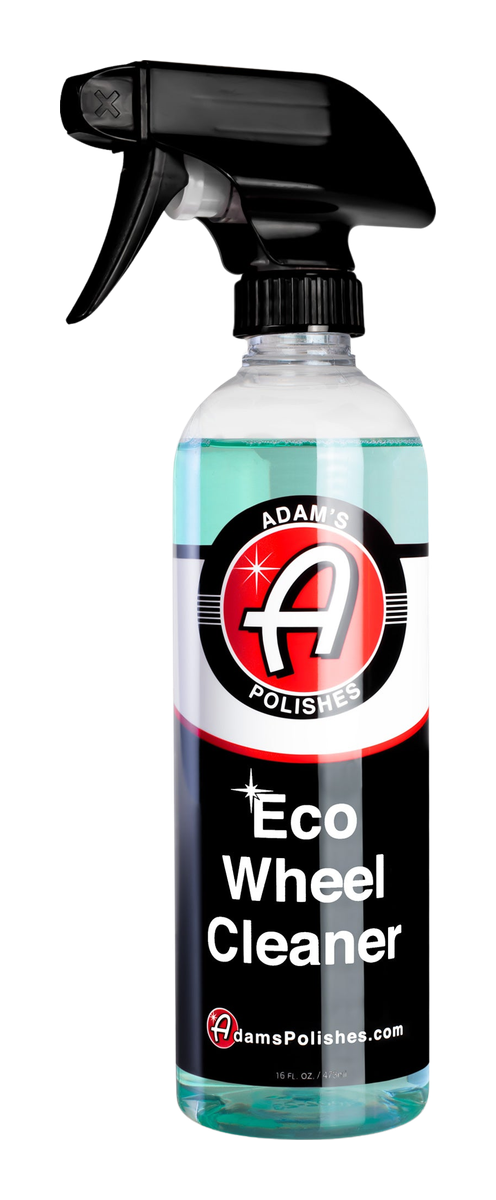
Adam's Polishes Eco Wheel Cleaner skips thioglycolate entirely, relying on surfactant chemistry at pH 5.75. A better fit for coated wheels where iron contamination is light and the sulfur odor of thioglycolate is unwelcome. It won't match the iron-dissolving speed of a mercaptoacetate formula.
Compare These Products
How the Chemistry Works
Sodium mercaptoacetate (the sodium salt of thioglycolic acid) drives this formulation at a hefty 20–30% concentration. It dissolves iron by chelation: the sulfur atom in the thioglycolate group binds directly to Fe³⁺ ions in brake dust, pulling them out of the surface and into solution. That reaction produces the purple-red color change detailers associate with iron removers. The mildly acidic carrier keeps sodium mercaptoacetate in its most reactive form, since thioglycolate chelation efficiency drops as pH climbs toward neutral.
No surfactants appear in the limited disclosed ingredient list so we're not entirely certain whether or not APEX relies entirely on the chelation reaction and mechanical agitation to lift contamination. Without surfactants to emulsify oils or reduce surface tension, road film and grease may stay behind. Agitation with a brush matters more here than with surfactant-loaded competitors.
The sole other disclosed ingredient is a methylchloroisothiazolinone/methylisothiazolinone biocide blend at trace levels (below 0.0015%), there strictly to prevent microbial growth in the water-based formula. The formulation is unclear with only two disclosed components doing two distinct jobs: dissolve iron, prevent spoilage.
What We Like
- Dual-function formulation — 20–30% thioglycolate concentration handles both brake dust and embedded iron fallout in one step, eliminating the need for a separate decontamination spray on maintenance washes.
- Acidic carrier preserves coatings — Operating below neutral means no alkaline attack on ceramic coatings or sealants, a real advantage over the many wheel cleaners in this category that sit above pH 10.
- No mixing, no math — RTU format with this active concentration means consistent results straight from the trigger, removing dilution error from the equation.
What to Know
- Thioglycolate reacts with iron but also attacks polished, bare, and anodized aluminum. Carbon Collective flags this themselves. If your wheels aren't painted or powder-coated, choose a different cleaner.
- The sulfur smell is unavoidable at this concentration. Work outdoors or in a well-ventilated bay. The odor lingers on skin too, so nitrile gloves pull double duty here.
- RTU format at just under a dollar per ounce adds up fast. No concentrate option exists, so budget accordingly for regular use.
Who Should Buy This
APEX fits detailers who tackle iron-contaminated wheels regularly and want a grab-and-spray bottle with no mixing. It suits anyone dealing with heavy brake dust from performance pads who prefers acid-side chemistry over alkaline degreasers. If you're price-sensitive and running through bottles weekly, SONAX Wheel Cleaner PLUS delivers nearly identical thioglycolate chemistry for roughly 40% less per ounce.
Want to see how this stacks up? Compare these 3 wheel cleaners
Frequently Asked Questions
Is APEX Wheel Cleaner safe for ceramic-coated wheels? Yes. pH 5 sits in a mild acid range that won't degrade ceramic coatings. The real risk is with bare, polished, or anodized aluminum — thioglycolate attacks those surfaces. Stick to coated or painted wheels and you're fine.
Why does APEX Wheel Cleaner turn purple on the wheel? Sodium mercaptoacetate reacts with iron particles in brake dust, forming a deep purple iron-thioglycolate complex. The color change signals the chemistry is dissolving embedded iron. No purple means little iron contamination.
How does APEX compare to SONAX Wheel Cleaner PLUS? Both use thioglycolate chemistry at nearly the same pH (5 vs. 5.1). SONAX runs about 40% cheaper per ounce. APEX loads a higher thioglycolate concentration (20–30%), which may matter on heavily contaminated wheels. For routine maintenance, the cost gap favors SONAX.
Why does a pH 5 product carry a Warning label? The signal word reflects the thioglycolate content, not the acidity. Sodium mercaptoacetate is a skin sensitizer and irritant at this concentration. Wear nitrile gloves and avoid inhaling the spray mist.