3D GLW Series SiO2 Ceramic Tire Shine: ChemCX Analysis

Quick Answer
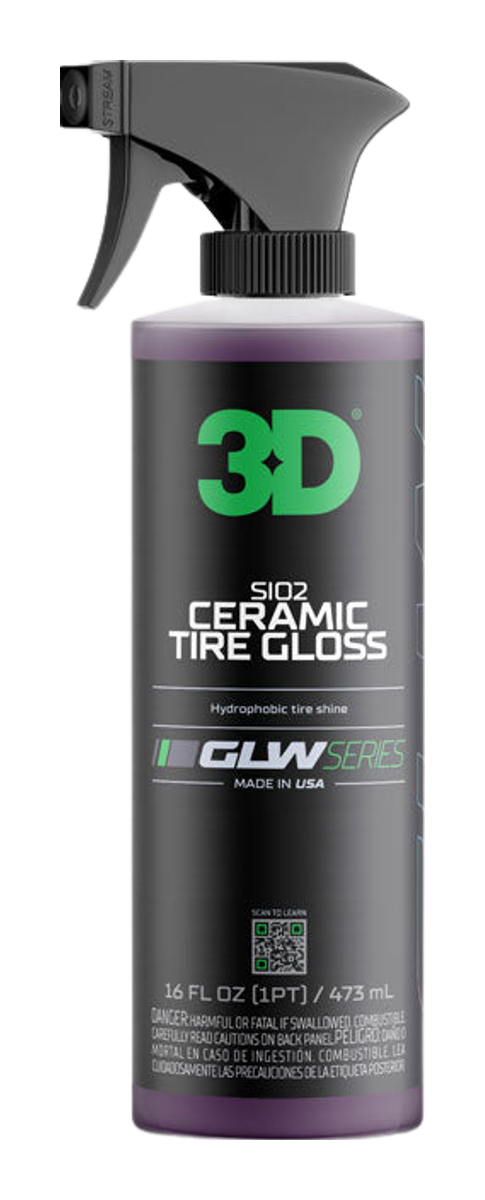
This tire dressing relies on a petroleum distillate base (80-90%) with ceramic SiO2 additives marketed for extended durability. At $0.78/oz, it sits near the category average of $0.82/oz. The "Danger" signal word and high solvent content indicate a traditional formulation best suited for detailers prioritizing longevity over water-based alternatives.
What It Is
3D Products manufactures this tire dressing as part of their GLW Series line. The product uses a surfactant-based chemistry approach combined with SiO2 (silicon dioxide) ceramic technology, which aims to provide both shine and protective properties. This is a ready-to-use formula requiring no dilution—apply directly from the bottle.
Specifications
| Attribute | Value |
|---|---|
| pH | Not disclosed |
| Dilution Ratio | ready_to_use |
| Key Actives | Not disclosed |
| Signal Word | Danger |
| Transparency | moderate |
Category Context
| Metric | This Product | Category Average | Category Range |
|---|---|---|---|
| pH | Not disclosed | 7.0 | 5.5 - 9 |
| Price/oz | $0.78 | $0.82 | $0.15 - $1.56 |
Where It Lands
Without disclosed pH data, evaluating this product's chemical positioning becomes difficult. The SDS lists a "Danger" signal word, which typically indicates either high alkalinity, strong solvents, or significant eye/skin hazard—unusual for a tire dressing category where most products carry milder warnings. This opacity matters because tire dressings contact rubber compounds that can degrade under harsh chemistry. The surfactant-based approach suggests water-based application.
At $0.78 per ounce, this RTU formula sits near the category average. Adam's Tire Shine delivers similar surfactant-based chemistry for 21% more at $0.94 per ounce, while Chemical Guys ShineLogic undercuts at $0.50 per ounce—36% less than 3D's offering.
How It Compares
Closest Alternatives
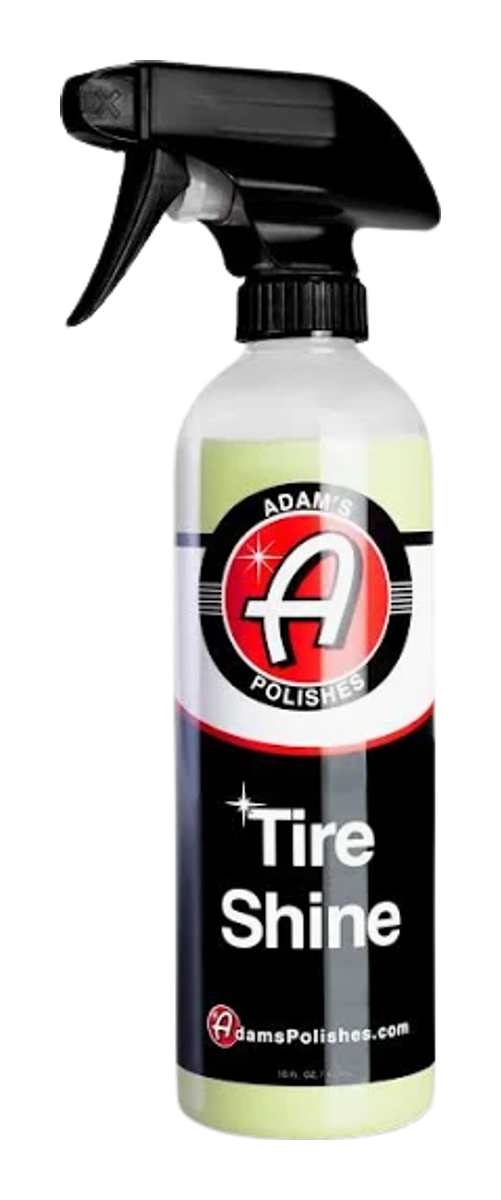
Adam's Polishes Tire Shine costs $0.94/oz compared to $0.78/oz, a 21% premium that buys you better-documented chemistry. Adam's discloses more ingredients, letting you verify compatibility with your specific tire rubber. Worth it if transparency matters more than cost.
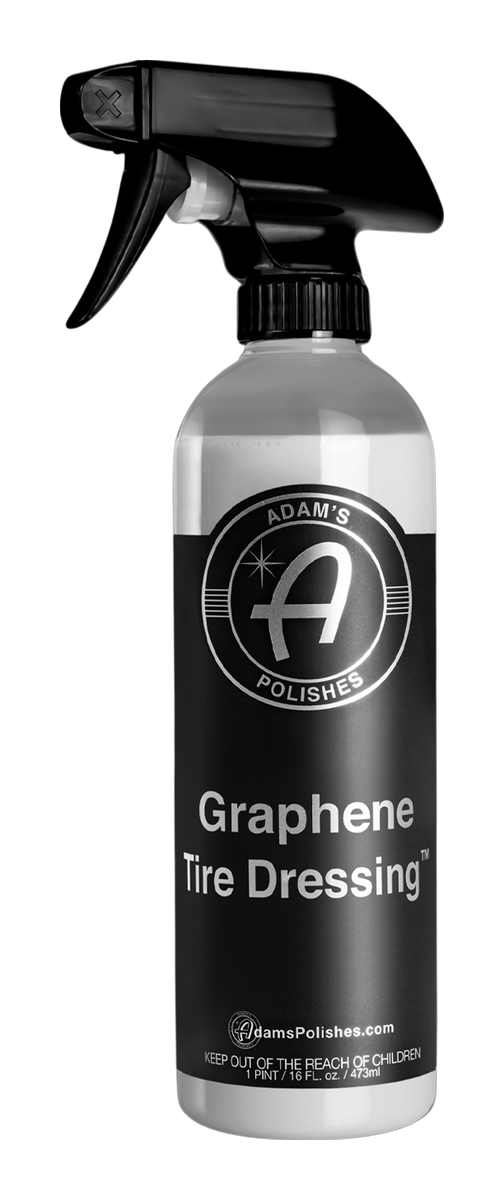
Adam's Polishes Graphene Tire Dressing adds graphene to the formula at $1.06/oz, claiming extended durability between applications. If you detail less frequently and want longer-lasting results, the 36% price increase may offset fewer reapplications.
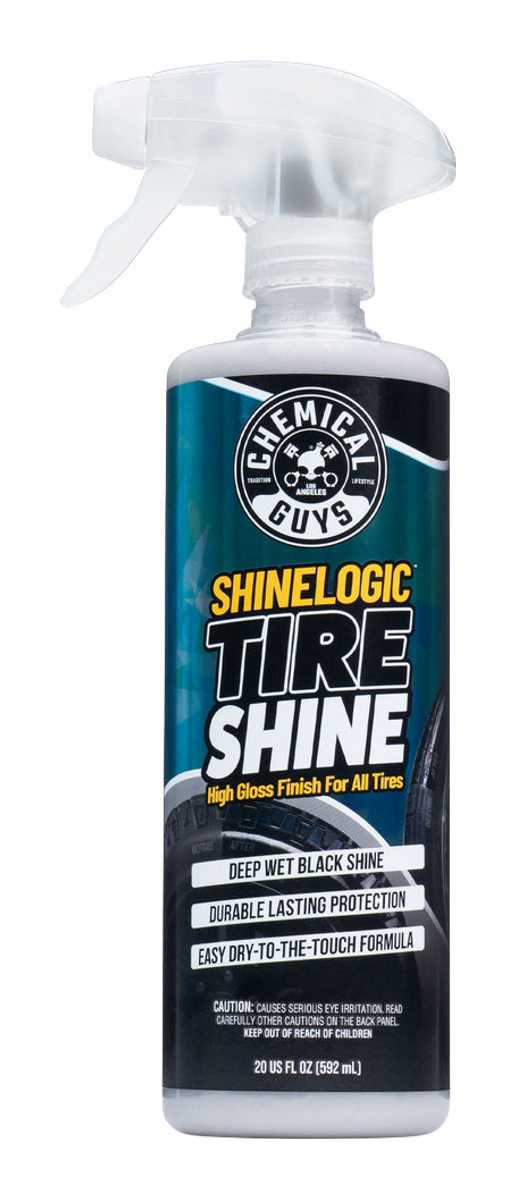
Chemical Guys ShineLogic Tire Shine drops to $0.50/oz, a 36% savings for high-volume users. Similar surfactant-based approach without ceramic marketing.
Compare These Products


How the Chemistry Works
The foundation of this tire dressing is hydrotreated light petroleum distillates at 80-90% concentration. This refined solvent serves multiple purposes: it carries the dressing components onto the rubber surface, helps the formula spread evenly, and evaporates to leave behind the protective coating. Hydrotreating removes sulfur and other impurities from the petroleum, resulting in a cleaner-burning, less odorous solvent.
The product name references SiO2 (silicon dioxide) ceramic technology, though the specific silicone or ceramic compounds aren't disclosed in available safety data. The remaining 10-20% of undisclosed ingredients likely contains the film-forming polymers and silicone compounds responsible for the glossy finish and claimed ceramic protection.
The Danger signal word and petroleum-heavy formula mean this product requires good ventilation during application. The solvent-based approach typically provides longer-lasting results than water-based dressings, as petroleum carriers help polymers bond more effectively to rubber surfaces.
What We Like
- SiO2 ceramic technology in a tire dressing — creates a hydrophobic barrier that helps shed water and road grime, potentially extending time between applications compared to silicone-only formulas
- Purple-tinted formula — lets you see exactly where you've applied product, reducing missed spots and over-application that leads to sling
- ** UV blockers** — while not clear in the SDS disclosure, GLW Series SiO2 Ceramic Tire Gloss marketing states that it includes UV protection.
What to Know
- The 'Danger' signal word comes from flammability and aspiration hazard—store away from heat sources and keep the nozzle pointed away from your face during application
- SiO2 ceramic formulation promises longer durability than traditional silicone dressings, but the 3D website recommends applying after every wash.
- At $0.78/oz for RTU, you're paying for convenience over concentrates that can cost under $0.20/oz when diluted
Who Should Buy This
This RTU tire dressing suits weekend detailers who want spray-and-wipe convenience with SiO2 durability claims. The surfactant-based formula works for those maintaining tires between more intensive treatments. If budget matters most, Chemical Guys ShineLogic costs 36% less.
Want to see how this stacks up? Compare these 3 tire dressings
Frequently Asked Questions
Why does 3D GLW Series SiO2 Ceramic Tire Shine carry a "Danger" signal word? The Danger designation relates to the product's chemical formulation, not its performance on tires. Follow label directions precisely.
How does the SiO2 ceramic technology differ from standard tire dressings? Silicon dioxide creates a semi-permanent bond with the tire surface rather than just sitting on top. This extends durability beyond typical surfactant-based dressings and provides hydrophobic properties that help repel water and road grime between applications.
How does 3D GLW Series compare to Adam's Polishes Tire Shine? At $0.78/oz versus Adam's at roughly $0.94/oz, the 3D GLW Series costs about 17% less. Both are ready-to-use formulations, so the 3D offers similar convenience at a lower price point while adding SiO2 ceramic protection.