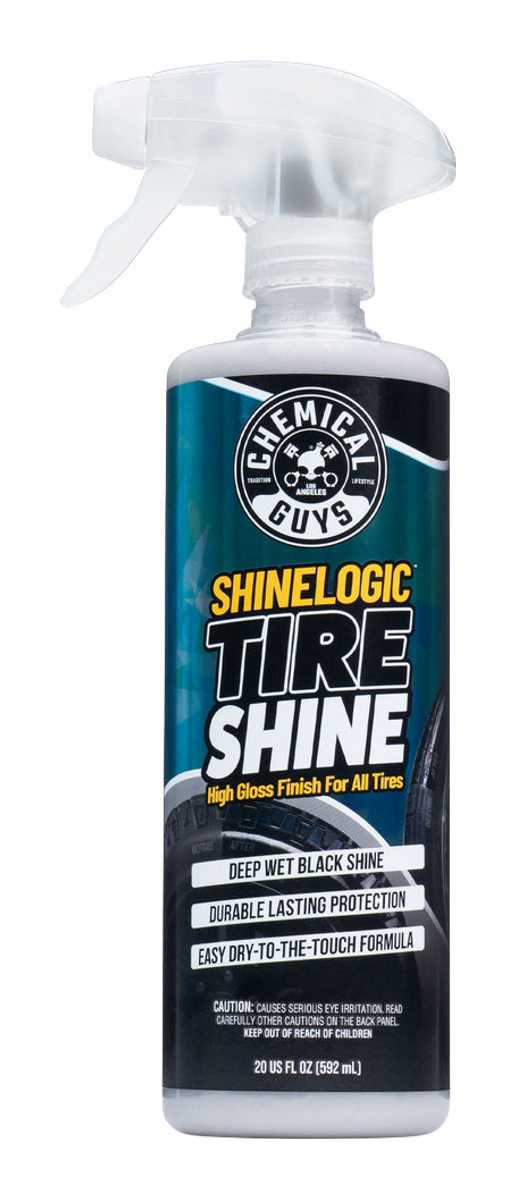
$0.50BEST $/OZ
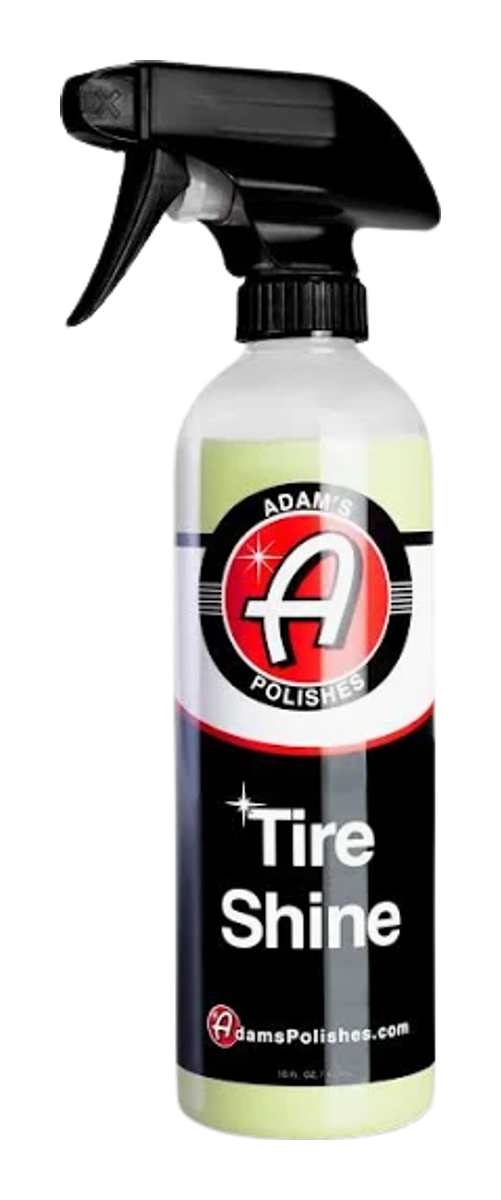
A ready-to-use tire shine with nonionic surfactants that delivers a glossy black finish and claims long-lasting protection against fading.
Key Chemistry
pH
6.04
Active Mechanism
surfactant wetting
Surfactants
2 (nonionic)
Expert Analysis
This silicone-based tire shine employs a dual ethoxylated alcohol surfactant system for enhanced wetting and spreading on rubber surfaces. The proprietary siloxane provides the primary lubricity and gloss enhancement, while polyol solvents aid in formulation stability.
Key Differentiators
- •Near-neutral pH 6.04 formulation reduces risk of tire degradation compared to more alkaline competitors
- •Claims fade-resistant protection suggesting UV-blocking or polymer technology beyond basic silicone oils
Ingredients
Alcohols, C11-14-iso-, C13-rich, ethoxylated
2.5–10%
CAS: 78330-21-9Surfactant
Alcohols,C12-14-secondary, ethoxylated
2.5–10%
CAS: 84133-50-6Surfactant
Proprietary Diluent
N/D
CAS: WithheldDiluent
Proprietary Siloxane
N/D
CAS: WithheldLubricant
Proprietary Polyol
N/D
CAS: WithheldSolvent
Proprietary Homopolymer
N/D
CAS: WithheldDispersing Agent
Proprietary Copolymer
N/D
CAS: WithheldRheology Modifier
Polyethylene Glycol
N/D
CAS: 25322-68-3Thickener
Proprietary Alcohol
N/D
CAS: WithheldSolvent
Proprietary Fragrance Ingredients
N/D
CAS: WithheldWithheld
Benzisothiazolinone
N/D
CAS: 2634-33-5Preservative
Methylisothiazolinone
N/D
CAS: 55965-84-9Preservative
Proprietary Colorant
N/D
CAS: WithheldColorant
Acetaldehyde
N/D
CAS: 75-07-0Impurity
1,4-Dioxane
N/D
CAS: 123-91-1Impurity
Ethylene Oxide
N/D
CAS: 75-21-8Impurity
Safety Profile
Signal Word
WarningEye Hazard
H319 - Causes serious eye irritationSkin Hazard
Not classifiedCorrosive to Metals
NoFlammable
No