SONAX Insect Remover: ChemCX Analysis
Ranked Performance
Pricing
Badges
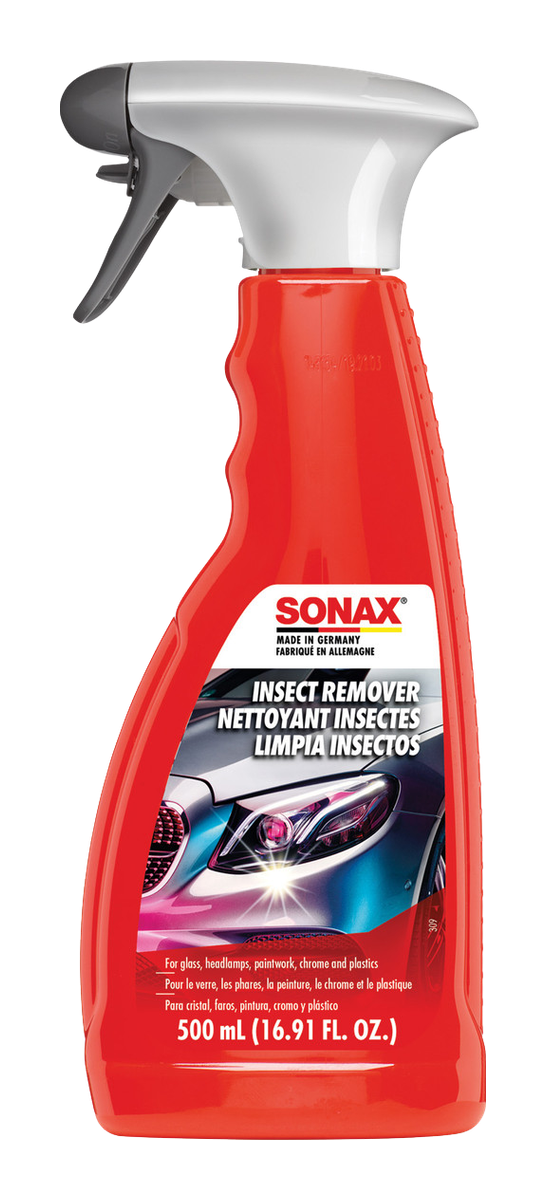
SONAX Insect Remover loosens dried bug splatter quickly enough that you're wiping clean on the first pass instead of scrubbing through multiple rounds. It penetrates fast, which matters when you're dealing with a full front end after a summer highway drive. Spray it on, give it a short dwell, and the residue that was bonded to your paint softens up and lifts away with a rinse or light wipe.
The formula runs on alkaline chemistry paired with anionic surfactants, and it skips solvents entirely. The alkaline environment breaks down the proteins in dried insect remains, softening them from the outside in, while the surfactants work into the residue and help lift it off the surface. Dropping solvents from the formula is the smartest choice here: it means less risk to clear coat, wax layers, and sealants during dwell time. The trade-off is that solvent-free formulas sometimes need a bit more dwell on heavily baked deposits. The pieces are straightforward, but the solvent-free approach gives it a clear edge on paint safety.
Specifications
| Attribute | Value |
|---|---|
| pH | 10 |
| Dilution Ratio | ready_to_use |
| Key Actives | Sodium salts of alpha-Sulfo-omega-hydroxypoly(oxy-1,2-ethanediyl) C11-14 isoalkyl ethers, (C13-rich) |
| Signal Word | None |
| Transparency | excellent |
| Biodegradable | Not disclosed |
Category Context
| Metric | This Product | Category Average | Category Range |
|---|---|---|---|
| pH | 10 | 11.0 | 7 - 13.5 |
| Price/oz | $0.83 | $0.54 | $0.12 - $1.06 |
Where It Lands
SONAX Insect Remover sits on the mild side of the bug remover category. At pH 10, it runs a full point below the category average of 11.0, gentle enough to skip a signal word entirely, which most alkaline competitors above pH 11 can't claim. That mildness is the product's defining trade-off: safe for repeated use on clear coats, coatings, and film without the surface aggression that stronger formulations carry, but less chemical force against heavily baked-on splatter that's been cooking in sun for days.
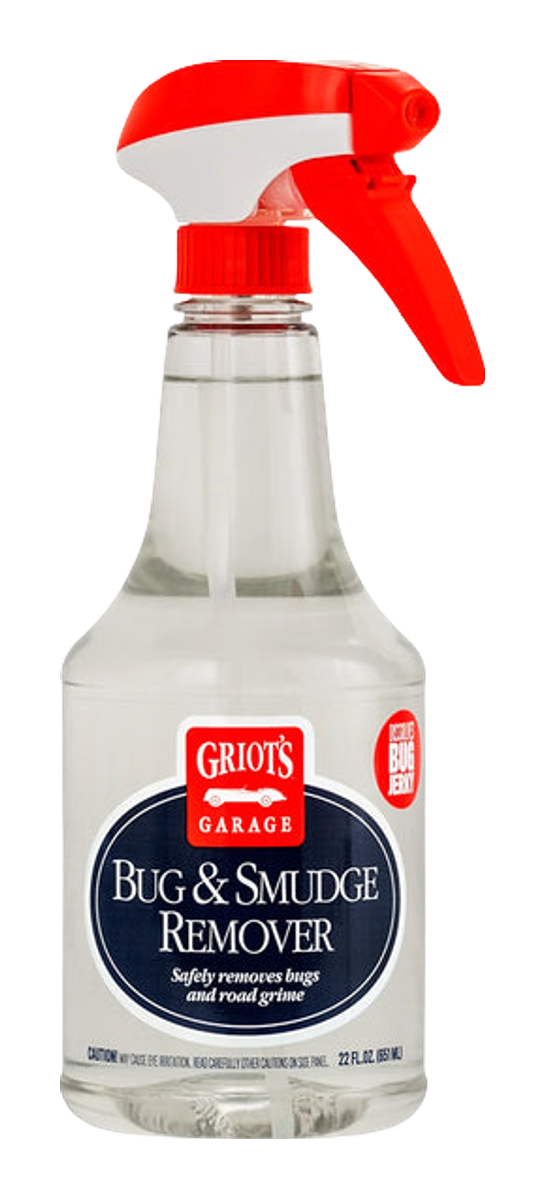
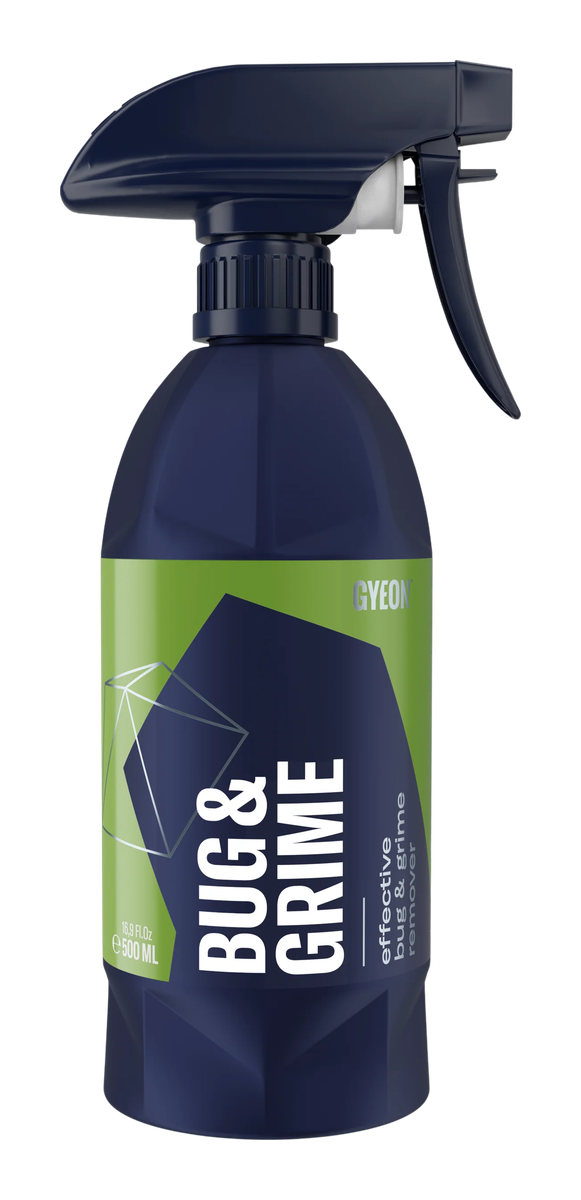
The formula earns its keep on fresh-to-moderate bug contamination, not the cross-country road trip you forgot about for a week. For heavy buildup, Gyeon Q2M Bug & Grime delivers more alkaline punch at pH 11 for a modest price difference. At $0.83/oz, SONAX lands at the premium end of the category; Griot's Garage Bug & Smudge Remover covers similar mild territory at $0.35/oz.
How It Compares
Closest Alternatives
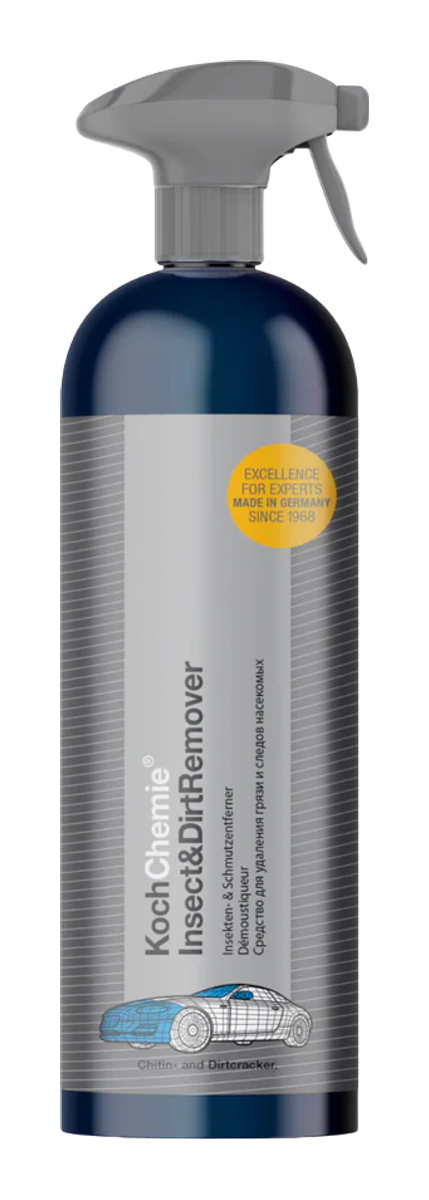
Koch-Chemie Insect & Dirt Remover lands at pH 10.4 — the nearest alkaline match in the category. Both products operate in the same mild-alkaline window, relying on surfactant-driven soak-and-lift rather than aggressive caustic action. At $0.79/oz, pricing is nearly identical.
Gyeon Q2M Bug & Grime pushes the alkalinity a full point higher at pH 11. That extra bite gives it more degreasing leverage on baked-on splatter without crossing into signal-word territory. The trade-off is a steeper price per ounce.
Griot's Garage Bug & Smudge Remover delivers comparable mild-alkaline chemistry at pH 9.7 for 58% less per ounce. A strong value option when front-end cleanups are a weekly task.
Compare These Products

How the Chemistry Works
Two anionic surfactants do the heavy lifting here, but they attack bug residue from different angles. The ethoxylated C11-14 isoalkyl ether sulfate, listed in the formula, is a high-molecular-weight surfactant that penetrates and lifts dried protein and chitin fragments from paint. Sodium laureth sulfate works alongside it as a foam-building co-surfactant, generating the lather that keeps the dissolved residue suspended so it rinses clean instead of redepositing. Ammonium hydroxide pushes the system alkaline, which softens the protein matrix in dried insect remains, essentially denaturing the same biological glue that makes bug splatter so stubborn once it bakes onto a hood. Isopropanolamine ties the system together as an emulsifier, keeping the oily lipid fraction of insect residue blended into the aqueous wash solution. The result for the user: spray it on, wait for the surfactants to soak into the splatter, and wipe rather than scrub.
Tetrasodium iminodisuccinate is the smart pick in this formula. It's a chelating agent that sequesters calcium and magnesium ions in hard water, preventing those minerals from deactivating the anionic surfactants. Without it, the dual-surfactant system would lose cleaning power in hard-water regions, which is most of them. SONAX chose iminodisuccinate over the more common EDTA, a decision that keeps the chelator effective across the mildly alkaline range this product operates in. For the user, this translates to consistent performance regardless of local water quality. You get the same soak-and-lift action whether you're rinsing with soft municipal water or well water loaded with dissolved minerals.
The ingredient list includes two preservatives, phenoxyethanol and sodium pyrithione, which tells you SONAX expects this bottle to sit in a garage for a while between uses. That's appropriate for a seasonal product most people reach for after long highway drives, not daily. Limonene appears as a fragrance component rather than a functional solvent, contributing citrus scent without meaningful degreasing at this concentration. What the disclosure doesn't reveal is whether additional solvents sit behind the generic "anionic surfactant" line item. With the ingredients on file and disclosure completeness unconfirmed, there could be co-solvents or wetting agents not captured here. The formula leans entirely on surfactant-driven emulsification rather than solvent dissolution, a gentler approach that works well on fresh-to-moderately-dried residue but demands dwell time on baked-on splatter.
What We Like
- Solvent-free alkaline base — eliminates the paint compatibility concerns that solvent-heavy bug removers carry. You can spray this on clearcoat, plastic headlight lenses, and chrome trim without worrying about softening or hazing, which matters when bug splatter covers every surface across the front end simultaneously.
- Mild enough to skip a signal word — operating below the category's alkaline center lets you use it as a quick post-drive wipe-down without gloves or elaborate rinsing protocols, lowering the friction to actually removing bugs before they bake on.
- Dual anionic surfactant pairing — two surfactants with different molecular weights means one penetrates dried protein while the other emulsifies the lipid fraction, so a single spray-and-dwell cycle handles both components of insect residue instead of requiring scrubbing or repeat applications.
What to Know
- Mild alkalinity trades cleaning speed for surface safety. The surfactant-driven approach needs more dwell time on baked-on deposits than harsher alkaline or solvent-based competitors. Bugs dried for days in direct sun will likely need a second application where a pH 12+ product would dissolve them in one pass.
- Ready-to-use convenience costs you per ounce. No concentrate option means you're locked into a higher cost per application than dilutable competitors. For occasional use that's fine. For weekly highway commuters clearing a full front end, the expense adds up fast.
- No sealant risk, but rinse thoroughly on glass. The mild alkalinity won't strip wax or coatings like stronger bug removers will. The tradeoff: residual surfactant left on windshields and windows can leave streaking if you rush the rinse step. A quick follow-up with glass cleaner solves it.
Who Should Buy This
If you're clearing a weekend road trip's worth of bug splatter off painted surfaces, plastic trim, and headlight lenses without switching products or worrying about compatibility, this solvent-free formulation handles it cleanly. The dual-surfactant approach penetrates and emulsifies dried insect proteins without the aggressive alkalinity that forces you to babysit dwell times on coated or wrapped surfaces — a meaningful advantage when you're spraying entire front fascias rather than spot-treating. For bugs baked on over multiple days in desert heat, a stronger alkaline competitor will cut dwell time. But for regular maintenance after highway drives, this RTU format lets you spray, wait, and wipe without overthinking it.
Want to see how this stacks up? Compare these 3 bug removers
Frequently Asked Questions
Can I use SONAX Insect Remover on ceramic-coated or PPF-wrapped surfaces? Yes. The solvent-free, surfactant-based formula poses no softening or chemical interaction risk to ceramic coatings or polyurethane PPF. Spray, dwell, and rinse as normal. Always test on an inconspicuous area first.
How long should I let it dwell before wiping? Start with 2–3 minutes on fresh splatter. For bugs baked on in direct sun for more than a day, extend to 5 minutes and keep the surface wet — the surfactants need liquid contact to continue penetrating the protein matrix. A second application beats aggressive scrubbing.
How does SONAX compare to Griot's Garage Bug & Smudge Remover? SONAX runs a stronger alkaline charge, which gives it more dissolving power on dried hemolymph proteins. Griot's lists only five ingredients versus SONAX's longer list, suggesting a simpler surfactant package that leans on mechanical agitation. SONAX costs roughly twice as much per ounce, so the choice depends on whether you value dwell-and-rinse convenience over price.
Why does the product foam so little compared to other bug removers? The two anionic surfactants here are optimized for wetting and penetration, not foam generation. Low foam is intentional — it keeps the active chemistry in contact with the bug residue rather than sitting above it as lather.