P&S Spray-It: ChemCX Analysis

Pricing
Badges
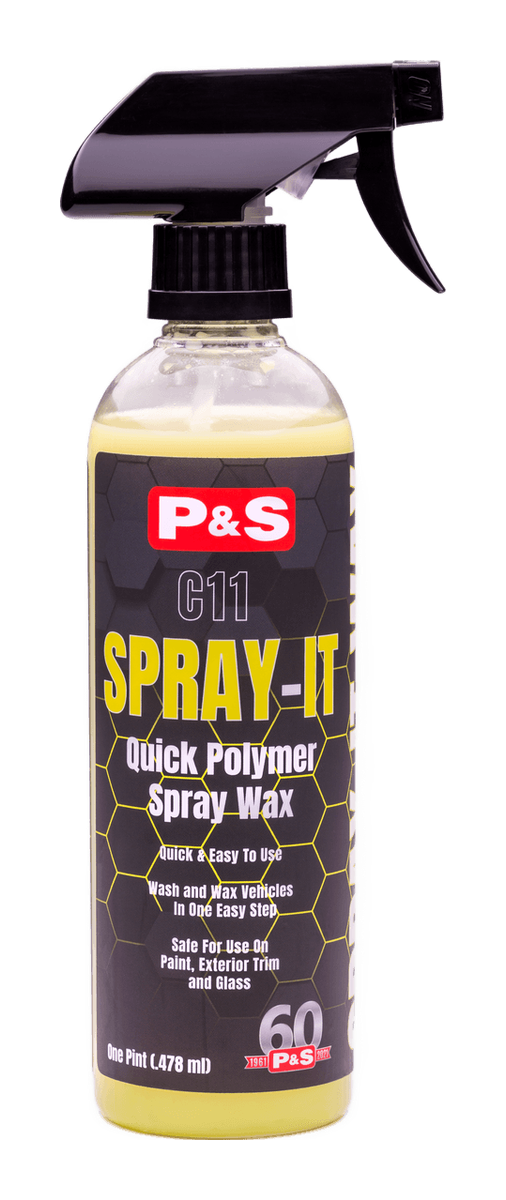
P&S Spray-It is a ready-to-use spray wax you apply while you're drying the car after a wash. Spray it on a wet panel, wipe down with your drying towel, and you get gloss and water beading in the same pass. The big advantage is you skip the separate waxing step. Where a paste or liquid wax means a second round of application and buffing, this does the job as you dry, which saves time on a full vehicle.
Dimethicone does the work here. It's a silicone that lays down a thin slick layer on the paint, and that layer is what gives you the shine and the way water sheets off afterward. It spreads easily on wet surfaces, which is why you can apply it right out of the wash without streaking. The trade-off is durability: silicone spray waxes like this look great immediately but don't last like a real sealant or paste wax. It's a basic silicone formula, and it does the fast-gloss job it's built for.
Specifications
| Attribute | Value |
|---|---|
| pH | 6.8 |
| Dilution Ratio | RTU (Ready-to-Use) |
| Key Actives | Dimethicone |
| Signal Word | None |
| Transparency | excellent |
| Biodegradable | Not disclosed |
Category Context
| Metric | This Product | Category Average | Category Range |
|---|---|---|---|
| pH | 6.8 | 6.9 | 4.8 - 10 |
| Price/oz | $0.27 | $0.63 | $0.26 - $1.56 |
Where It Lands
This is a maintenance product through and through. It sits at pH 6.8, dead center in a category that spans 4.8 to 10, which tells you it's built to refresh a clean surface rather than fight contamination. There's no chemistry here to cut through grime or strip old wax. Spray it on a freshly washed panel and it lays down silicone gloss and beading, nothing more, nothing less. On a neglected car it does almost nothing useful.
Where it earns its place is cost. At $0.27/oz it's 30% below the category average and undercuts P&S's own Xpress Wax, which runs $0.39/oz for similar performance. That makes Spray-It the cheaper way into the same drying-aid workflow within the P&S lineup. If you wash weekly and want gloss in one pass, the math favors this. If you only detail occasionally, a more durable sealant earns its higher price.
How It Compares
Closest Alternatives
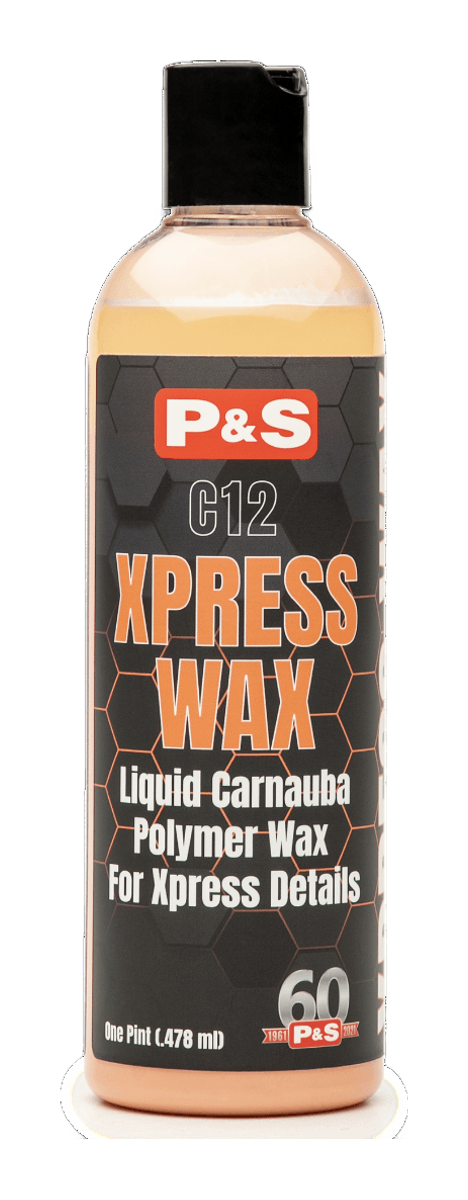
P&S Xpress Wax is the closest formulation match — another silicone-based spray wax at pH 6.5, applied the same wet-or-dry way. It runs 44% more per ounce, so you're paying for the sibling product without a chemistry advantage.
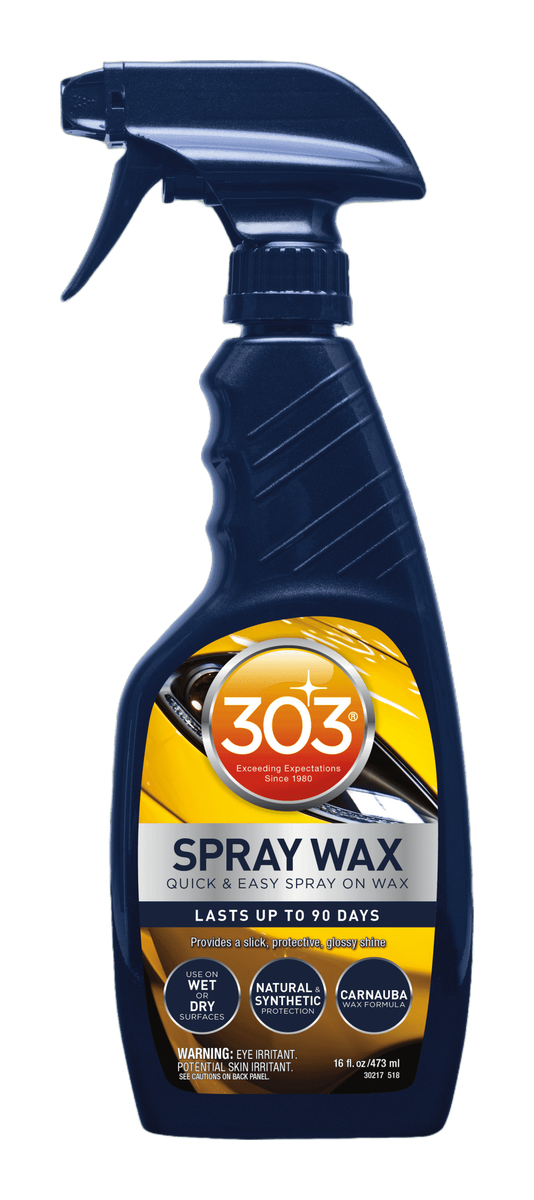
303 Products Spray Wax reaches the same gloss-and-bead goal through a different route, sitting slightly more neutral at pH 7.5. Pick it if you want a spray wax with a marginally less acidic profile for frequent use.
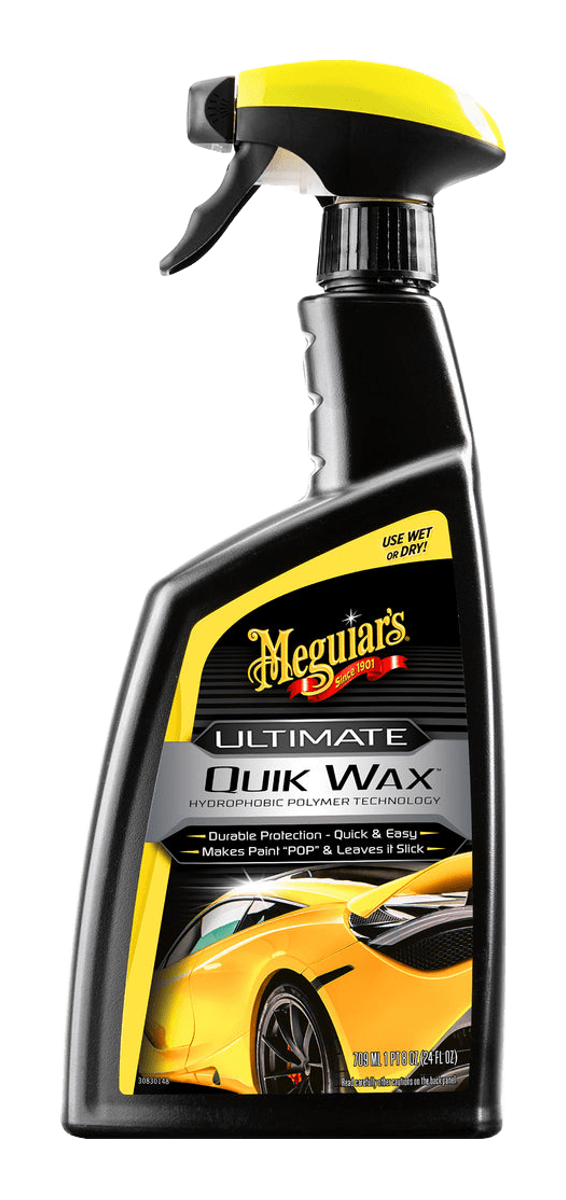
Meguiar's Ultimate Quik Wax swaps silicone for true wax chemistry at the same pH 6.8. The trade-off is cost: it's the priciest of the three at $0.62 per ounce.
Compare These Products

How the Chemistry Works
Three silicones do the heavy lifting here, and they're staged to deposit in sequence as water evaporates off the panel. The dimethicone and synthetic wax are the film-formers, the actual gloss and beading layer that stays behind. The silicone-polyether hybrid (the trimethylsiloxy-terminated siloxane) is the bridge that lets those oil-loving silicones disperse evenly in a water base, so the spray atomizes cleanly and spreads without streaking. Carbomer thickens the mix just enough to keep the silicones suspended in the bottle and slow the run-off when you mist a wet panel. What you feel is the result: the towel glides instead of grabbing, and the surface flashes to a slick, beading finish in one wipe. The d-Limonene reads as a citrus scent during application.
The silicone-polyether hybrid is the choice worth understanding. A straight silicone oil would separate in a water carrier and leave you shaking the bottle and chasing streaks. By grafting polyethylene-polypropylene oxide chains onto the silicone backbone, the formulator built a molecule that's half water-friendly and half silicone-friendly, an emulsifier and a gloss-spreader in one. That's why this lays down evenly on a soaking-wet surface where most waxes would bead up and skip. Isopropanolamine handles the rest of the blending duty, keeping the wax and silicones from splitting out over the bottle's shelf life.
Full 12-ingredient disclosure makes the strategy clear, and the surfactant package is the tell: there isn't one. No detergents, no cleaning agents, just film-formers and the chemistry to spread them. This is purely a top-up coat, not a wash-and-wax hybrid. Two UV stabilizers, a hindered phenol and a HALS, are in the mix to slow oxidation of the silicone film. Two preservatives, benzisothiazolinone and zinc pyrithione, keep the water base from growing anything on the shelf.
What We Like
- Wet-application chemistry — the silicone film is engineered to deposit as water evaporates, so you can wax straight off the rinse instead of waiting for a dry panel and a separate step
- Neutral pH formulation — sits gentle enough to layer over existing sealants and ceramic coatings without stripping them, making it a true maintenance topper rather than a one-and-done finish
- Cheapest in its class — runs less than half the category average per ounce, and since it's ready-to-use, there's no dilution math or measuring to offset that price with effort
What to Know
- Silicone gloss is the fast option, not the durable one — dimethicone-based films lay down quick and bead well, but they shed faster than carnauba or polymer sealants. Expect to refresh every wash or two rather than measuring protection in months.
- Speed comes from layering on top, not bonding — this deposits a film as water evaporates, so it sits over whatever's already there instead of anchoring to clean paint. Great for maintenance, but it won't correct or grip a contaminated surface.
- One-step convenience trades away versatility — it's tuned for drying-pass application on a clean car, nothing more. There's no cleaning power to handle a neglected finish, so a proper wash still has to come first.
Who Should Buy This
Reach for this when you're drying a freshly washed car and want gloss and beading laid down in the same wipe — no second step, no curing time on a dry panel. It also earns its place on a weekly maintenance rotation, where you're topping a clean surface every wash or two rather than building lasting protection. The silicone film deposits as water evaporates, so wet application is the intended mechanism, not a compromise. If you want months of protection from one application, a polymer sealant fits better. But for fast gloss between full details, this delivers.
Want to see how this stacks up? Compare these 3 spray waxes
Frequently Asked Questions
Can I layer this over an existing wax or sealant? Yes. The silicone film deposits on top without dissolving what's underneath, so it works as a quick topper between full applications. It won't bond as well over a heavily slick coating, so a clean panel gives the best deposit.
Why am I getting streaks when I apply it? Usually too much product or wiping a panel that's already dry. The film is built to lay down as water evaporates, so spray onto a wet or damp surface and wipe through with your drying towel. On a bone-dry panel, use less and buff immediately.
How does it differ from Meguiar's Ultimate Quik Wax? That product uses wax chemistry; this one runs on dimethicone and synthetic silicone film-formers. The silicone lays down faster and beads aggressively but sheds sooner than a wax-based film.
Is it safe on glass and trim? Yes — it's labeled for all exterior surfaces. Buff glass fully to avoid haze. Always test an inconspicuous area first.