Meguiars Hot Rims Chrome Wheel Cleaner: ChemCX Analysis
Ranked Performance
Pricing
Badges
Quick Answer
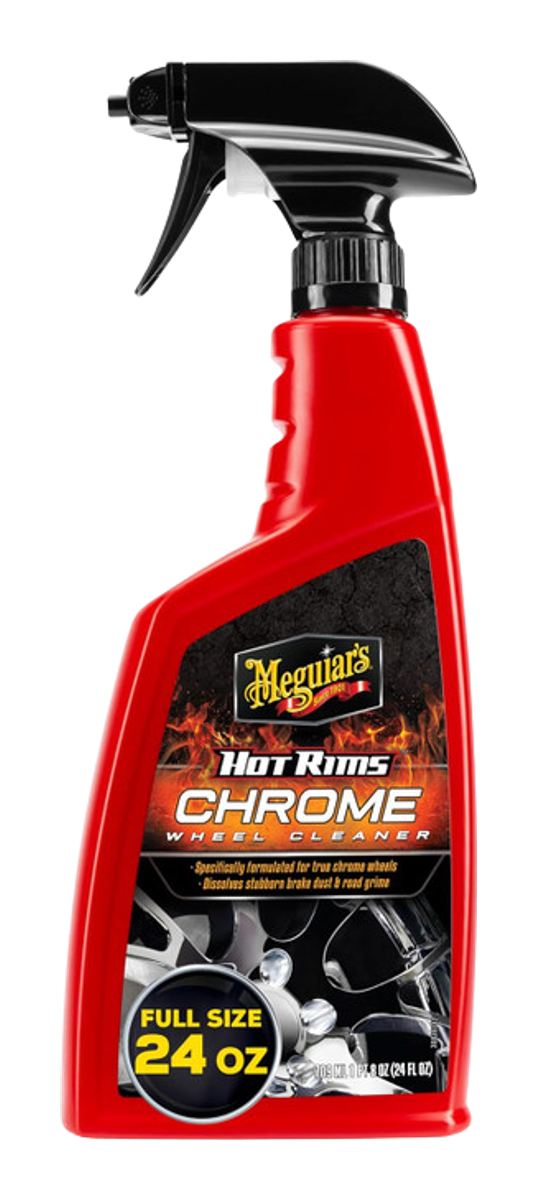
Meguiar's Hot Rims Chrome sits at the acidic floor of the wheel cleaner category, using citric acid rather than the harsher mineral acids found in competing low-pH formulas. That approach targets brake dust and mineral deposits while staying gentler on chrome finishes. A strong pick for enthusiasts who want acid-side cleaning power without the corrosion risk of hydrofluoric or phosphoric chemistries.
What It Is
Hot Rims Chrome Wheel Cleaner is an acidic RTU spray from Meguiar's, a fixture on retail shelves at every auto parts store. The formula relies on citric acid to dissolve brake dust and mineral deposits — a mild organic acid approach rather than the hydrofluoric or thioglycolic chemistries found in more aggressive professional wheel cleaners. Spray on, agitate, rinse. No dilution required.
Specifications
| Attribute | Value |
|---|---|
| pH | 3.5 |
| Dilution Ratio | RTU (Ready-to-Use) |
| Key Actives | CITRIC ACID |
| Signal Word | Danger |
| Transparency | excellent |
Category Context
| Metric | This Product | Category Average | Category Range |
|---|---|---|---|
| pH | 3.5 | 8.4 | 3.5 - 15 |
| Price/oz | $0.37 | $0.63 | $0.12 - $1.70 |
Where It Lands
Hot Rims Chrome lands at pH 3.5 — the lowest in the category at time of writing, tied only with Detail Co's Ragnarok. That acidity dissolves mineral deposits and light brake dust through chemical reaction rather than the alkaline degreasing most wheel cleaners use. This makes it effective on chrome and polished metal, where alkaline cleaners can cause staining or pitting. For heavily baked-on brake dust and road grime, though, an acid this mild lacks the cutting power of a high-pH degreaser. Best suited for regular maintenance on chrome wheels, not rescue jobs on neglected rotors.
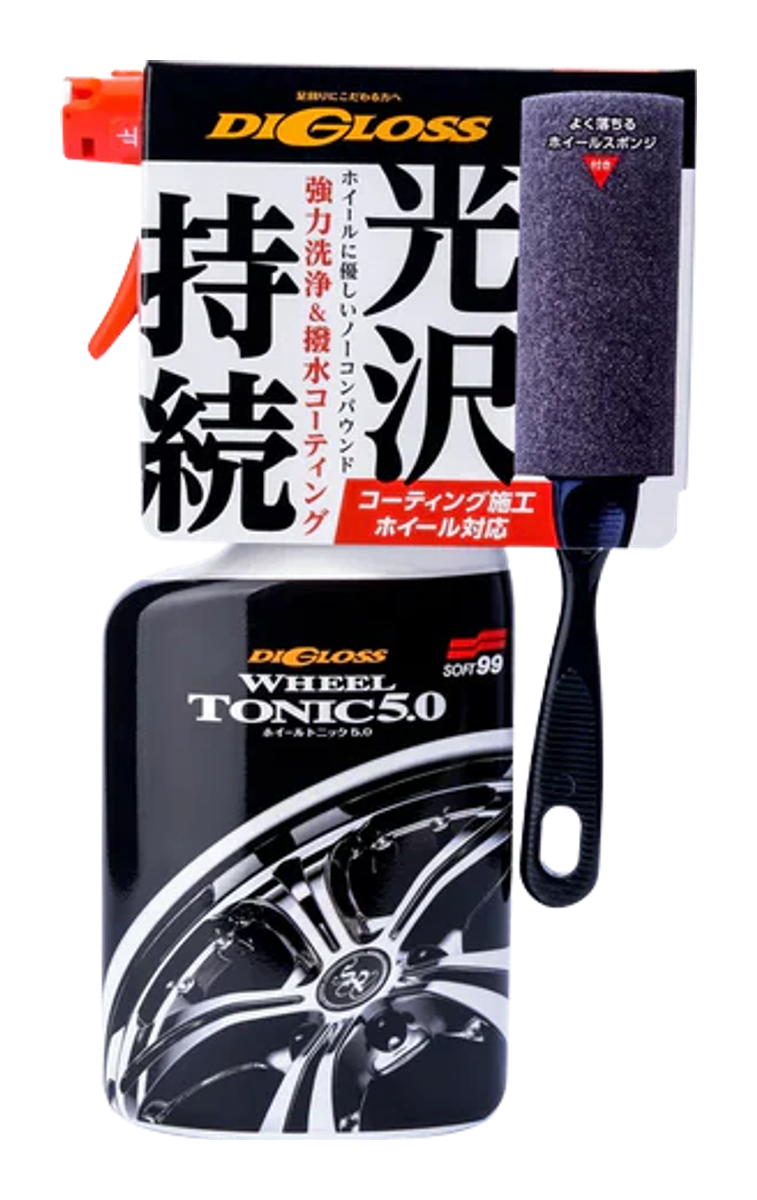
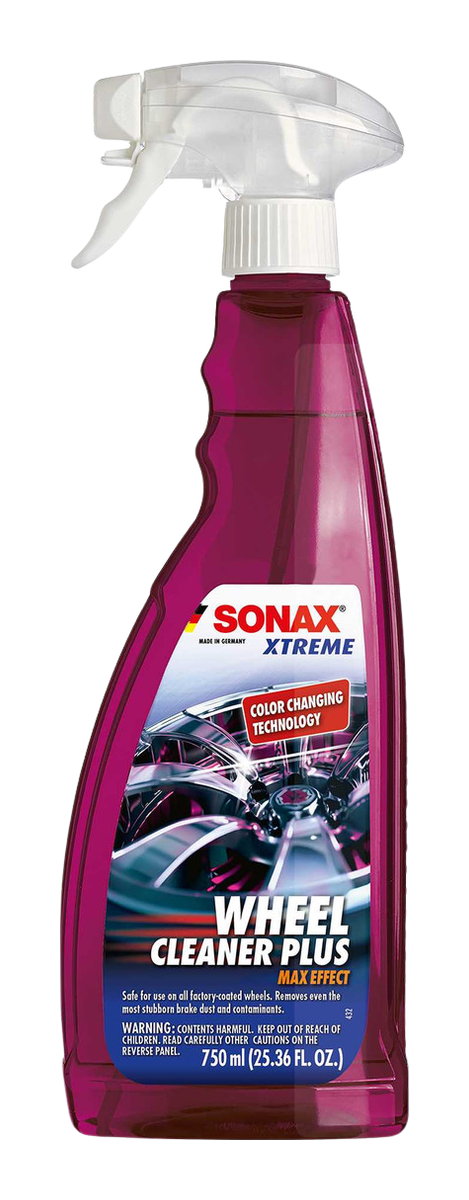
At $0.37/oz, Hot Rims Chrome costs 41% less than the category average. Since it's RTU, that price is the working cost — no dilution math needed. SONAX Wheel Cleaner PLUS runs $0.59/oz for a mildly acidic formula with more cleaning breadth. For near-identical pH, SOFT99 DiGloss Wheel Tonic charges $1.70/oz — over four times the price of this Meguiar's.
How It Compares
Closest Alternatives
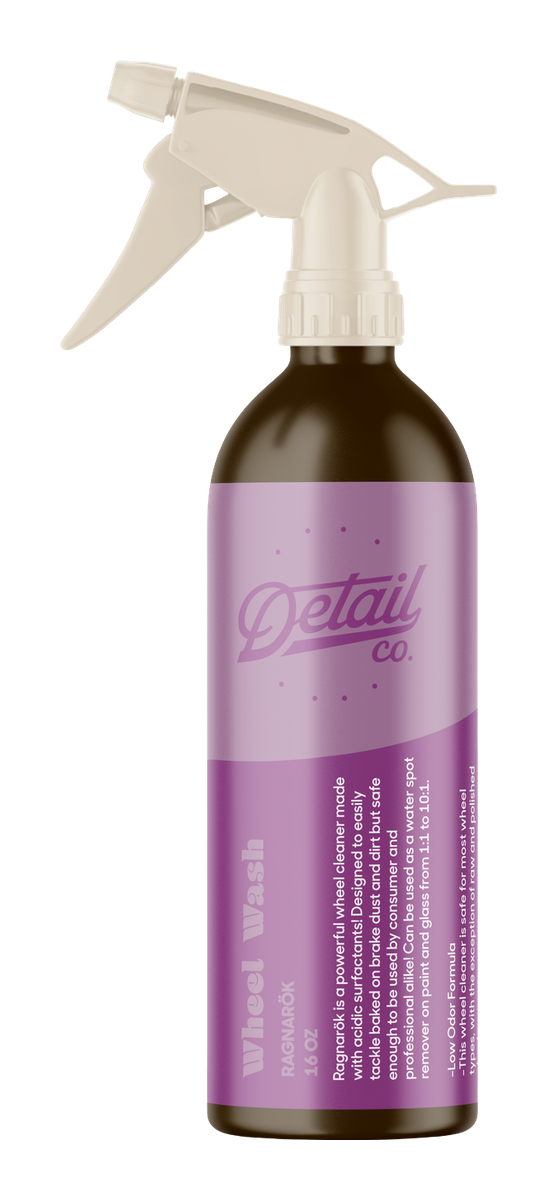
Detail Co Ragnarok matches the pH 3.5 acidic punch but comes from a detailer-focused brand with different surfactant packaging. Worth comparing if you want identical acidity with a different spray pattern and brand ecosystem.
SOFT99 DiGloss Wheel Tonic 5.0 runs slightly milder at pH 4.0 and costs 359% more per ounce. Japanese formulation designed for coated and polished wheels where a half-point pH difference buys extra safety margin.
SONAX Wheel Cleaner PLUS steps up to pH 5.1 — meaningfully milder chemistry at 59% higher cost. A better fit for regular maintenance on coated or painted wheels where full acid strength is unnecessary.
Compare These Products

How the Chemistry Works
Citric acid leads the formula at 1–10% concentration, dissolving brake dust and mineral deposits through acid attack and chelation, binding metal ions so they lift off the surface instead of redepositing. It gets reinforcement from two sharper acids: phosphoric acid converts iron-based rust into stable iron phosphate, and hydroxyacetic acid (glycolic acid) cuts through calcium and magnesium scale.
Then there's ammonium bifluoride at under 1%, a fluoride salt aggressive enough to etch glass. That ingredient earns the Danger signal word and explains why Meguiar's restricts this product to chrome wheels only.
Four surfactants manage the cleaning logistics. Ethoxylated C9-11 alcohols and nonoxynol, both nonionic, lower surface tension so the acid blend penetrates brake dust layers. Decyl dimethylamine oxide, an amphoteric, stabilizes foam and keeps the product clinging to vertical wheel faces. Sodium xylene sulfonate acts as a hydrotrope, preventing the oils and surfactants from separating in the bottle. Propylene glycol butyl ether rounds out the system as a co-solvent, dissolving greasy road film that acids alone won't touch.
What We Like
- Citric acid instead of mineral acids — delivers the category's lowest pH without hydrofluoric or phosphoric acid, so it dissolves brake dust aggressively while remaining biodegradable and less damaging if it contacts painted or plastic trim by accident
- Chrome-specific formulation — acidic cleaners risk etching anodized or coated wheels, but citric acid paired with surfactants is well-suited for polished chrome, where the goal is dissolving ferrous contamination without attacking the metal underneath
What to Know
- The 'Danger' signal word reflects real corrosion risk to skin and eyes. Gloves and eye protection are smart defaults, and rinse any overspray off painted or plastic trim immediately.
- Acid at this level dissolves brake dust effectively but will etch bare aluminum, anodized, and polished alloy wheels. Confirm your wheels are actually chrome-plated before spraying. If unsure, test an inconspicuous spoke first.
- RTU format means no mixing, but also no way to dial back strength. Keep dwell time under two minutes and rinse thoroughly.
Who Should Buy This
Grab this if you're scrubbing chrome wheels with baked-on brake dust or hard-water staining and want an affordable RTU spray you can pull off the shelf without mixing. Good fit for weekend warriors tackling neglected chrome after a long winter. If your wheels are coated, anodized, or polished aluminum, steer toward SONAX Wheel Cleaner PLUS — its milder chemistry won't risk etching delicate finishes.
Want to see how this stacks up? Compare these 3 wheel cleaners
Frequently Asked Questions
Is Meguiar's Hot Rims Chrome safe on painted or coated wheels? No. pH 3.5 acid will attack clear coats, anodized finishes, and ceramic coatings. Meguiar's labels this product specifically for chrome. Use their Hot Rims All Wheel Cleaner for other finishes.
Why does Meguiar's Hot Rims Chrome carry a 'Danger' signal word? Citric acid at pH 3.5 causes eye and skin damage on contact. Wear chemical-resistant gloves and eye protection, and rinse any overspray off painted surfaces immediately.
How does Hot Rims Chrome compare to SONAX Wheel Cleaner PLUS? SONAX sits at pH 5.1 — milder and safer on a wider range of finishes, but less aggressive on heavy brake dust. Hot Rims Chrome costs 59% less per ounce ($0.37 vs. SONAX's higher price point), making it the budget pick when you know your wheels are chrome.
Can I dilute Hot Rims Chrome to make it last longer? It ships RTU, and diluting an already-formulated product lowers surfactant and acid concentration unpredictably. Use it as-is for consistent results.