Meguiar's Iron Removing Spray Clay: ChemCX Analysis
Ranked Performance
Pricing
Badges
Quick Answer
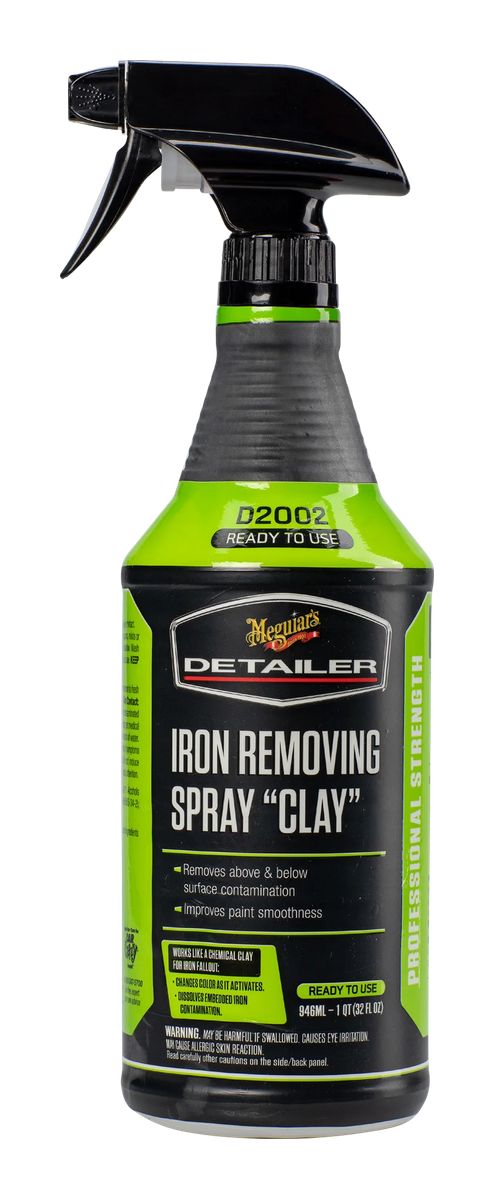
Meguiar's Iron Removing Spray Clay combines thioglycolate-based iron removal with clay lubricant technology in a single RTU product. Based on ChemCX analysis, this near-neutral pH formula (6.0) offers a gentler approach to decontamination than acidic alternatives, though at a 32% premium over the category average price.
What It Is
Meguiar's Iron Removing Spray Clay is a dual-purpose decontamination product that dissolves iron contamination while simultaneously providing lubrication for clay bar or clay mitt use. It falls within the iron removers category but occupies a unique niche as a hybrid product.
Specifications
| Attribute | Value |
|---|---|
| pH | 6 |
| Dilution Ratio | ready_to_use |
| Key Actives | Sodium Thioglycolate |
| Signal Word | Warning |
| Transparency | Good |
Category Context
| Metric | This Product | Category Average | Category Range |
|---|---|---|---|
| pH | 6 | 6.3 | 3 - 7.5 |
| Price/oz | $1.00 | $0.76 | $0.41 - $1.41 |
Where It Lands
The pH of 6.0 positions this product as only slightly more acidic than the category average of 6.3, but firmly within the "surface-safe" zone that won't etch clearcoat, aluminum, or chrome under normal use conditions. This near-neutral approach contrasts with aggressive acidic iron removers that can dissolve contamination faster but carry higher risk profiles for sensitive surfaces.
The $1.00 per ounce price point sits 32% above the category average, but that premium price delivers proportional value depending on how you use it. If you're already planning to clay your vehicle after iron removal, the integrated approach could save time. If you only need iron removal, you're paying extra for functionality you won't use.
How It Compares
Closest Alternatives
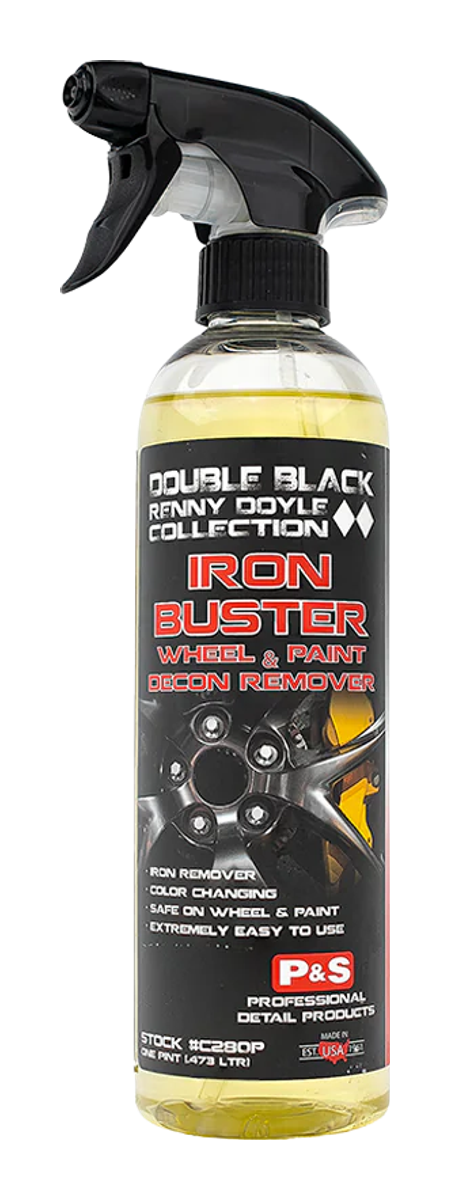
P&S Iron Buster offers similar thioglycolate chemistry at a slightly lower pH (5.5) for 44% less cost. The more acidic formulation may provide marginally faster iron dissolution, but both products operate within safe ranges for most surfaces. Iron Buster delivers comparable chemistry at a significant savings.
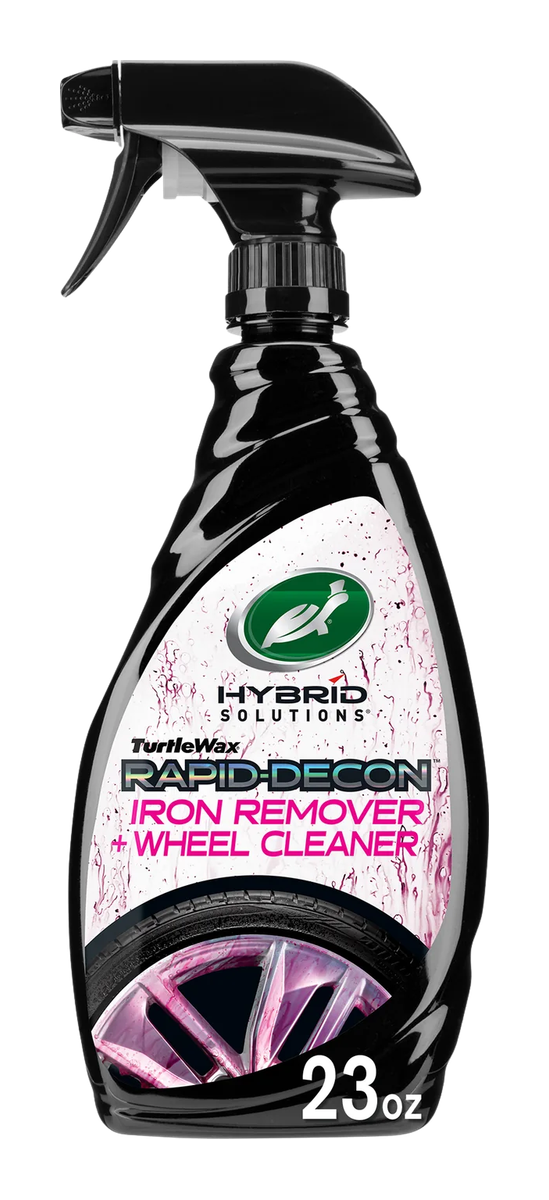
Turtle Wax Hybrid Solutions Rapid Decon Iron Remover lands at pH 5.3 and costs 35% less than the Meguiar's formula. It's another thioglycolate-based option that prioritizes iron removal over multi-purpose functionality.
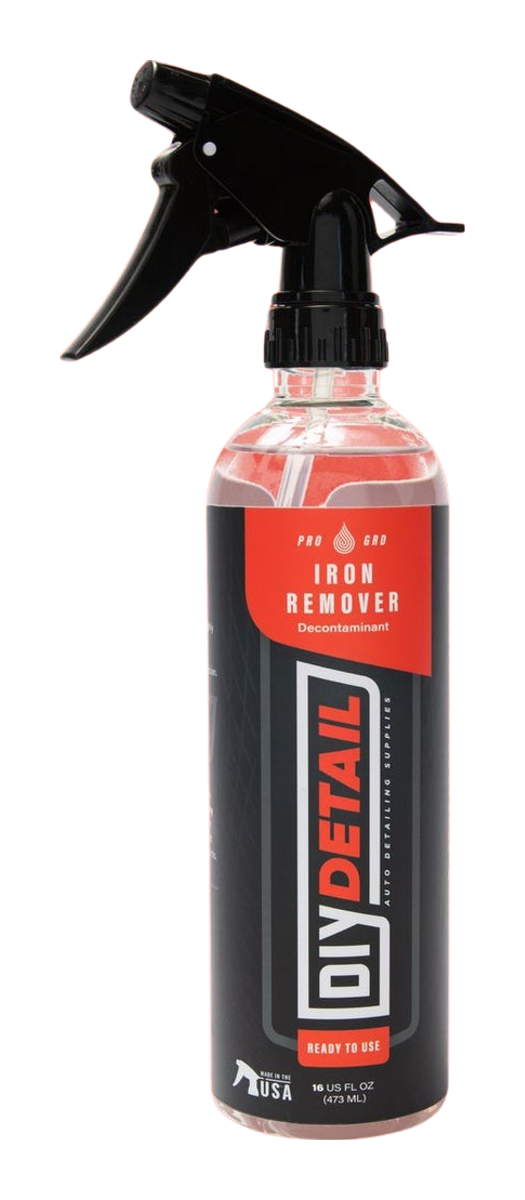
DIY Detail Iron Remover takes the opposite approach with a more alkaline pH of 7.0 and a 41% higher price point. The alkaline formulation may perform better on certain organic contamination while still addressing iron, though the thioglycolate chemistry remains the primary iron-dissolving mechanism in both products.
Compare These Products


How the Chemistry Works
The active ingredient here is sodium thioglycolate (also listed as sodium mercaptoacetate), a sulfur-containing compound that specifically targets iron oxide contamination. When sprayed onto a surface, the thioglycolate ions form stable water-soluble complexes with iron particles embedded in your paint. This is why iron removers produce that characteristic purple or red color change - it's the iron compounds being chelated and pulled away from the surface.
The three surfactants in this formula serve dual purposes. Sodium laureth sulfate provides foaming and general cleaning action, while the ethoxylated alcohols (C9-11 alcohols ethoxylated and related compounds) reduce surface tension to help the iron-reactive chemistry penetrate into contamination. These surfactants also create the lubrication needed for safe clay bar use, preventing the marring that occurs when clay drags across dry or insufficiently lubricated paint.
The chelating agent works alongside the thioglycolate to handle non-iron metal contamination. The preservative system (methylisothiazolinone and related compounds) prevents microbial growth in this water-based formula, important for a product that may sit between uses.
What We Like
- Surface-safe pH means you can use this on wheels, trim, and paint without the timer-watching required for more aggressive acidic formulas
- Good transparency rating allows for informed purchasing decisions—Meguiar's discloses enough to understand what you're buying
- Genuine dual-purpose design with proper surfactant levels for clay lubrication, not just marketing positioning
What to Know
- Premium pricing of $1.00/oz when comparable dedicated iron removers cost significantly less
- Potential compromise in iron-dissolving strength compared to more acidic single-purpose formulas—the jack-of-all-trades consideration applies
Who Should Buy This
This product makes sense for enthusiast detailers who perform regular decontamination washes and want to consolidate their iron removal and clay lubrication into one step. It's particularly suited to those working on vehicles with lighter contamination levels where aggressive acidic formulas aren't necessary. If you're working on heavily contaminated vehicles or running a detail business where product cost matters, dedicated single-purpose products will likely serve you better.
Want to see how this stacks up? Compare these 3 iron removers
Frequently Asked Questions
Does the purple color change indicate cleaning strength? The color change indicates iron is being chelated, but intensity relates more to contamination level than product strength. A heavily contaminated wheel will turn deep purple regardless of which thioglycolate-based iron remover you use.
Can I use this without a clay bar? Yes. The iron-removing chemistry works independently of the clay lubrication function. You'll simply have extra surfactants providing lubrication that won't be utilized.
Is the near-neutral pH less effective than acidic iron removers? Slightly, in terms of reaction speed. Acidic environments accelerate thioglycolate's iron-binding action. However, the difference for typical contamination levels is measured in seconds of additional dwell time, not effectiveness.
Why does this cost more than similar products? Brand positioning and dual-purpose formulation. Whether the premium is justified depends on whether you value the integrated clay lubrication functionality.