Fireball pH3 Shampoo: ChemCX Analysis

Ranked Performance
Pricing
Badges
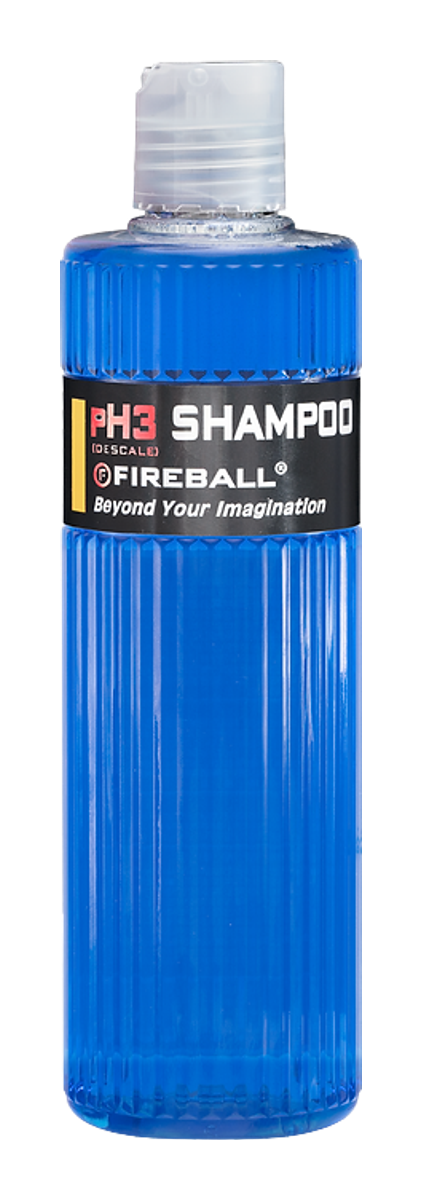
Fireball pH3 Shampoo is an acidic car shampoo that dissolves mineral contamination during a regular wash. Where most shampoos just lift dirt and rinse clean, this one actively breaks down water spots, calcium scaling, and the mineral buildup that dulls ceramic coatings over time. You wash the car and the mineral haze comes off with it, no separate decontamination step needed. That combination of maintenance wash and mineral removal in one pass is what makes it useful.
Glycolic acid does the heavy lifting. It dissolves calcium and mineral deposits on contact, which is why water spots and coating contamination break down during the dwell time instead of requiring a dedicated acid wash afterward. The surfactant system, a mix of anionic, nonionic, and amphoteric agents, handles the conventional dirt and provides the lubricity you need so you're not dragging dissolved minerals across the paint. The formula works as both a hand wash and a foam cannon application, which gives it flexibility most acidic cleaners don't offer. A practical combination of two jobs in one product.
Specifications
| Attribute | Value |
|---|---|
| pH | 3 |
| Dilution Ratio | RTU (Ready-to-Use) |
| Key Actives | HYDROXYACETIC ACID; GLYCOLIC ACID |
| Signal Word | Danger |
| Transparency | excellent |
| Biodegradable | Yes |
Category Context
| Metric | This Product | Category Average | Category Range |
|---|---|---|---|
| pH | 3 | 7.3 | 1 - 14 |
| Price/oz | $0.47 | $0.63 | $0.07 - $1.89 |
Where It Lands
Fireball pH3 Shampoo sits at the aggressive end of the car shampoo category, one of the few products designed to dissolve mineral contamination during a routine wash rather than requiring a separate decontamination step. At pH 3, it lands 4.3 points below the category average of 7.3, placing it firmly among dedicated acidic maintenance washes rather than conventional shampoos. That gap is functional: this pH range actively attacks water spots, calcium deposits, and mineral films that neutral shampoos simply slide over.
The sweet spot is coated vehicles in hard-water regions where mineral buildup accumulates between details. For soft-water environments or freshly corrected paint with no contamination, it's overkill. A neutral shampoo does the job without the acid exposure. As a ready-to-use product, it undercuts the category average by 25% and costs less than its closest acidic competitor, Labocosmetica PURIFICA at $0.64/oz.
How It Compares
Closest Alternatives
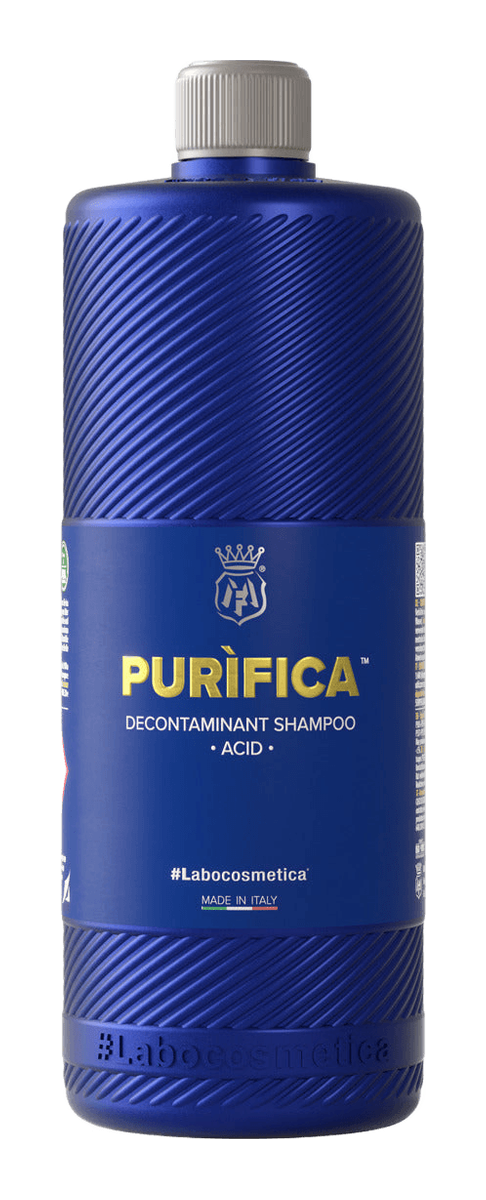
Labocosmetica PURIFICA runs a full pH unit lower, making it the more aggressive acidic wash for heavily scaled surfaces. That extra acidity comes at a 36% premium per ounce, a meaningful gap for a product you'd use at the same frequency.
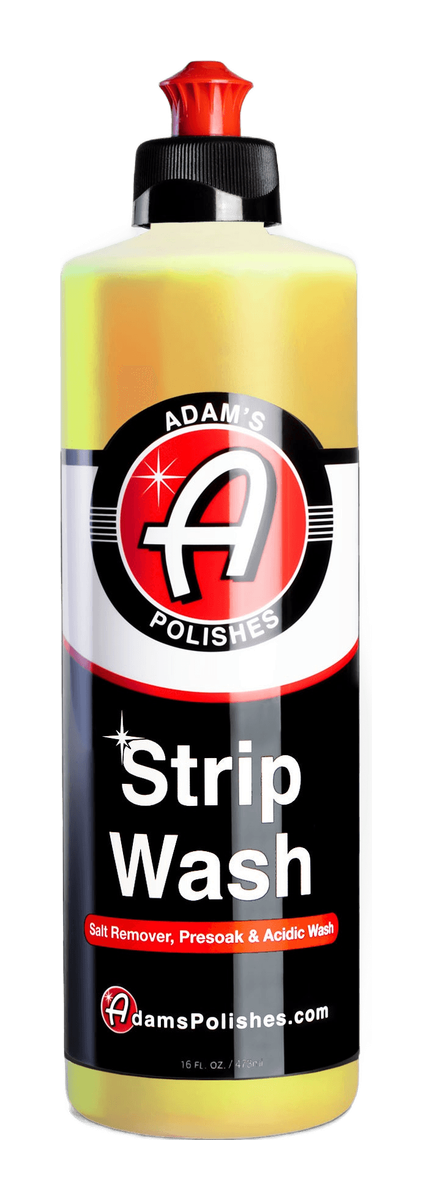
Adam's Polishes Strip Wash takes a surfactant-heavy approach at pH 4, stripping waxes and sealants through detergency rather than acid dissolution. It won't attack mineral deposits the way glycolic acid does, but it's the better pick for pre-polish prep where you want a bare surface without chemical etching risk.
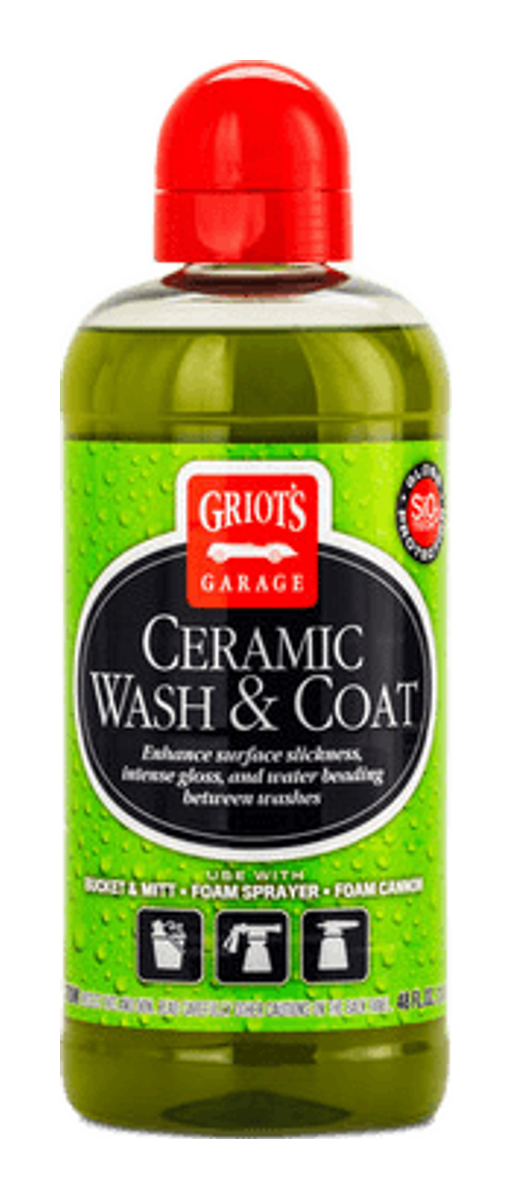
Griot's Garage Ceramic Wash & Coat pairs mild cleaning at pH 4.5 with SiO₂ depositing, maintaining coatings rather than stripping contamination from them. That's a fundamentally different goal at a comparable price point.
Compare These Products

How the Chemistry Works
Glycolic acid drives the mineral removal here, dissolving deposits through direct acid attack on calcium and magnesium carbonates. But acid alone would sheet off a vertical panel in seconds. The three-surfactant system (anionic, nonionic, and amphoteric) keeps the acidic solution in contact with the surface long enough to work. Sodium tri-oxyethylene lauryl ether sulfate provides primary cleaning and foam generation, polyoxyethylene lauryl ether boosts wetting so the wash water spreads into textured contamination rather than beading over it, and lauramine oxide stabilizes the foam into a denser, slower-draining blanket. The result is a shampoo that clings and dissolves simultaneously. Tetrasodium EDTA runs cleanup behind the acid, chelating any metal ions the glycolic acid liberates so they rinse away instead of redepositing as new water spots.
Glycolic acid is a deliberate choice over stronger mineral acids like hydrochloric or phosphoric. As the smallest alpha-hydroxy acid, it penetrates mineral scale efficiently at low concentrations, but its organic backbone means it won't pit aluminum trim or etch glass the way mineral acids can at the same pH. That's what makes this product viable as a regular wash rather than a spot-treatment decontaminant. The user experiences this as a shampoo that feels normal in the bucket (decent foam, reasonable lubricity) but leaves panels noticeably cleaner of hard-water haze after rinsing. Lauramine oxide deserves credit for the foam quality; it synergizes with the anionic surfactant to produce thicker, more stable lather than either component generates alone, which matters when you need dwell time on a hood covered in sprinkler deposits.
The absence of any listed corrosion inhibitor stands out: at pH 3, unprotected contact with bare aluminum or chrome would be risky, so something is buffering that interaction. The amaranth dye tints the product red, which may serve as a visual cue during dilution or application, though it won't produce the color-change bleed-through associated with iron-reactive fallout removers.
What We Like
- Glycolic acid as the wash-active acid — its small molecular weight penetrates mineral deposits faster than citric acid alternatives, dissolving water spots and calcium scaling in real time rather than requiring a separate decontamination step after the wash.
- Extreme dilution flexibility — a single bottle runs from 1:5 for foam cannon pre-wash down to 1:1000 for gentle hand washing, letting you dial acid exposure from aggressive mineral stripping to maintenance-safe weekly use on coated paint.
- Low cost per ounce at $0.47 — paired with that 1:1000 hand-wash dilution, per-wash cost drops to fractions of a cent, undercutting most pH-neutral shampoos that can't touch mineral contamination at all.
What to Know
- Mineral removal costs you coating longevity — glycolic acid doesn't discriminate between calcium deposits and the sacrificial top layer of ceramic coatings. Frequent use accelerates coating wear, so reserve it for maintenance washes when mineral buildup is visible rather than making it your weekly default.
- A "Danger" signal word comes with the acidity — gloves are a good idea here, and rinse any skin contact promptly. Letting the product dry on paint or glass invites etching, so work panel-by-panel in shade.
Who Should Buy This
If you're washing a coated car that's accumulated hard water spots between details, this shampoo dissolves mineral deposits during the wash itself. The acid's small molecular weight penetrates scaling faster than citric-based alternatives, making it the stronger choice when mineral contamination is the primary concern rather than general grime. It also works well as a periodic deep-clean wash between gentler maintenance washes, resetting the surface without claying. For weekly washing where mineral buildup isn't an issue, a neutral-pH shampoo protects coatings better over time. But when water spots and calcium scaling are the problem, this solves it in one wash step.
Want to see how this stacks up? Compare these 3 car shampoos
Frequently Asked Questions
Can I use Fireball pH3 Shampoo on bare aluminum or chrome trim? No. Glycolic acid reacts with unprotected metals, causing etching and discoloration on aluminum, chrome, and polished stainless steel. Mask or avoid trim pieces, and rinse any accidental contact immediately.
How long should I let it dwell before rinsing? Work one panel at a time and rinse within 2–3 minutes. Glycolic acid continues dissolving mineral bonds as long as the surface stays wet, so extended dwell on coated panels accelerates coating wear with no additional cleaning benefit.
How does it compare to Labocosmetica PURIFICA for heavy water spots? PURIFICA runs a full pH unit lower, giving it stronger dissolving power on thick calcium scaling. Fireball pH3 handles moderate mineral buildup during a maintenance wash; PURIFICA is the better choice when deposits have baked on over weeks.
Do I need to follow up with a neutral shampoo after using this? Not required, but smart practice. A neutral-pH rinse or quick wash neutralizes residual acid left in panel gaps, door jambs, and seal edges where the product pools.