Dr. Beasley's Premium Wheel Cleanser: ChemCX Analysis

Ranked Performance
Pricing
Quick Answer
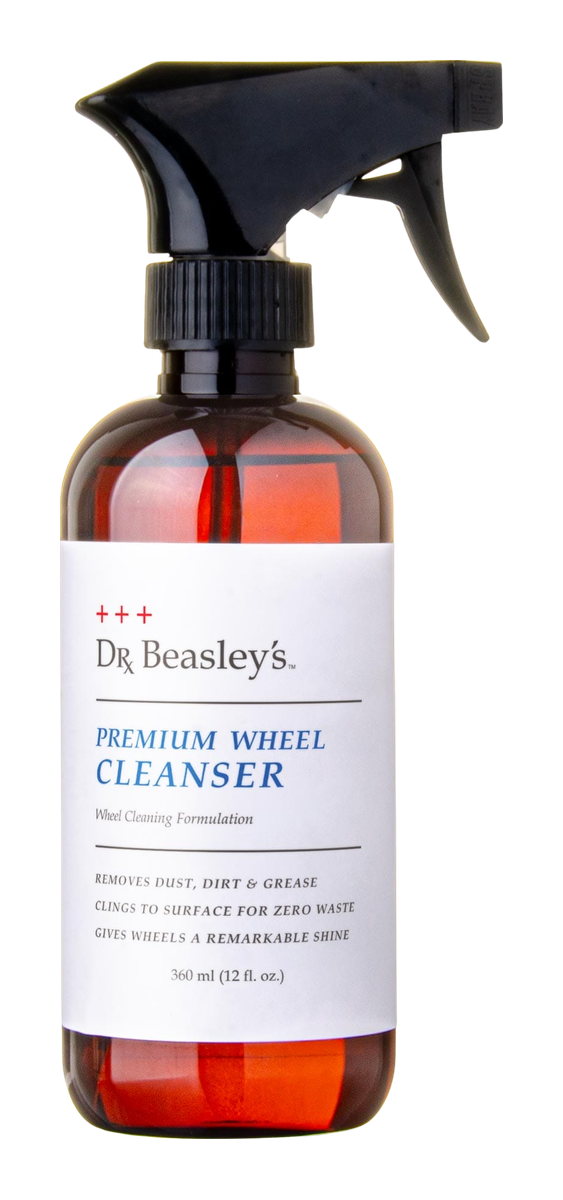
Dr. Beasley's Premium Wheel Cleanser combines mild alkaline chemistry with glycol ether solvent technology. At $0.41 per ounce, this surfactant-based formula targets detailers who want brake dust removal without the aggressive acids or high-alkaline compounds found in most competitors.
What It Is
Dr. Beasley's positions itself in the premium detailing market with products designed for enthusiasts and professionals. Their Premium Wheel Cleanser uses a surfactant-based chemistry approach at pH 9, placing it in the mild alkaline range. This means cleaning relies on detergent action rather than aggressive chemical reactions. The ready-to-use format eliminates mixing and measuring, so users spray directly from the bottle onto wheels.
Specifications
| Attribute | Value |
|---|---|
| pH | 9 |
| Dilution Ratio | ready_to_use |
| Key Actives | 2-Butoxyethanol |
| Signal Word | Warning |
| Transparency | good |
Category Context
| Metric | This Product | Category Average | Category Range |
|---|---|---|---|
| pH | 9 | 8.9 | 3.5 - 15 |
| Price/oz | $0.41 | $0.48 | $0.19 - $1.25 |
Where It Lands
At pH 9, this surfactant-based cleaner sits right at the category average of 8.9. This middle-ground alkalinity provides enough cleaning power for regular brake dust and road grime without the aggressive chemistry that can stress sensitive wheel finishes. For weekly or bi-weekly maintenance on coated or polished wheels, this pH level works well. Heavy contamination from track days or months of neglected brake dust will benefit from something stronger, but for routine care, pH 9 delivers adequate cleaning without unnecessary chemical stress.
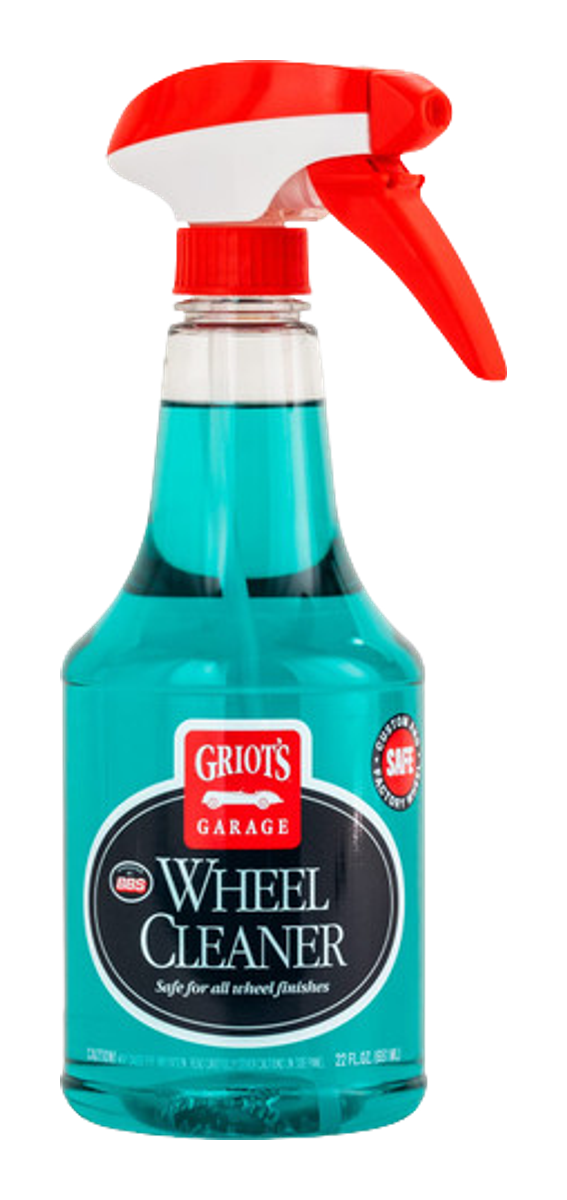
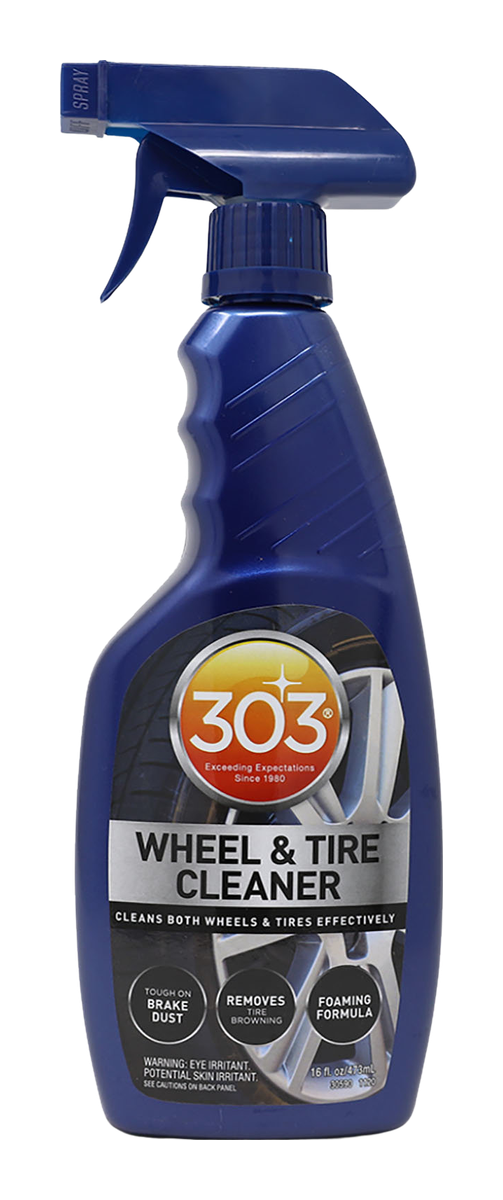
At $0.41 per ounce, this falls just under the category average of $0.48. Budget-conscious buyers could consider Griot's Garage Wheel Cleaner at $0.27 per ounce, though its lower pH of 7.75 means even gentler cleaning. The 303 Wheel & Tire Cleaner offers similar alkaline chemistry at pH 9.5 for comparable pricing.
How It Compares
Closest Alternatives
Griot's Garage Wheel Cleaner offers a neutral pH 7.75 formula at $0.27/oz, 34% less than Dr. Beasley's.
303 Products Wheel & Tire Cleaner takes an alkaline approach at pH 9.5, relying on caustic chemistry rather than surfactants alone. This gives it more bite on greasy road film, though it trades some of the gentleness that makes surfactant-based cleaners appealing.
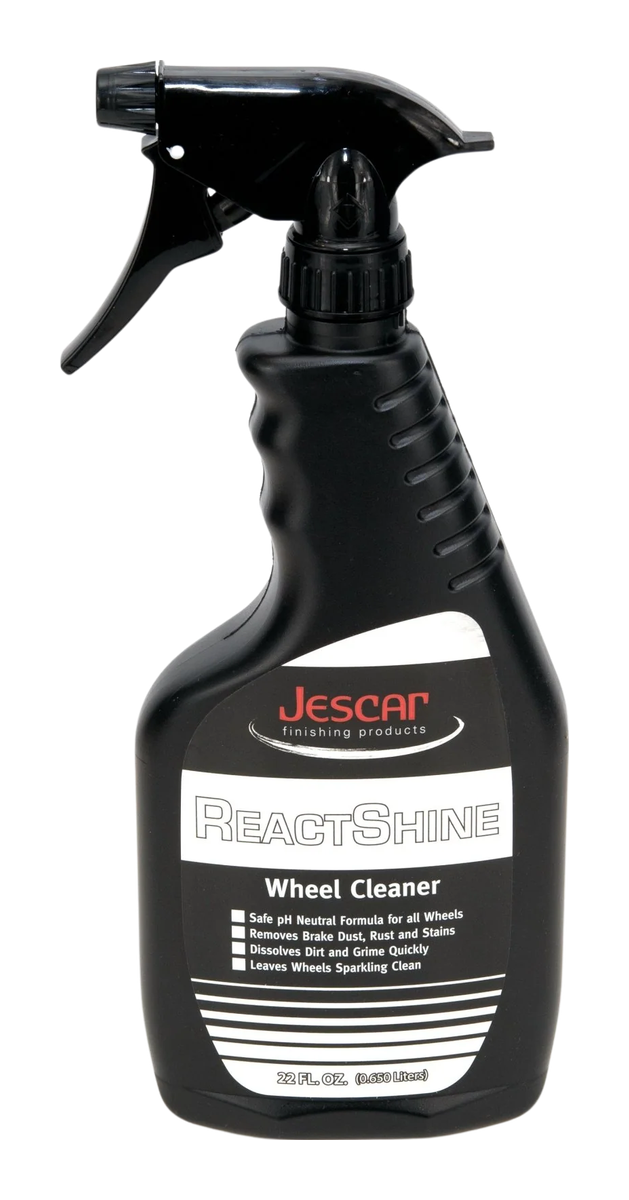
Jescar Finishing Products ReactShine Wheel Cleaner uses thioglycolate chemistry at pH 7.5, providing the color-changing iron indication that surfactant cleaners lack.
Compare These Products

How the Chemistry Works
2-Butoxyethanol serves as the primary cleaning agent here, a glycol ether solvent that dissolves grease, oils, and road grime on contact. Unlike water-soluble cleaners that sit on top of oily contamination, this solvent penetrates and breaks down the organic compounds in brake dust buildup. The 1-5% concentration provides meaningful cleaning power while keeping the formula at a moderate pH of 9.
The single surfactant, alkylphenol ethoxylate, handles the emulsification work. As a nonionic surfactant, it reduces surface tension to help the solvent-water mixture penetrate caked-on debris, then suspends the dissolved grime so it rinses away rather than redepositing. Nonionic surfactants also perform consistently in hard water conditions where ionic surfactants can lose effectiveness.
Sodium bicarbonate acts as an alkaline buffer, maintaining that pH 9 environment without resorting to harsher caustics. The absence of chelating agents means mineral deposits from hard water may prove more stubborn, but the solvent-forward approach compensates by targeting organic contamination directly.
What We Like
- pH 9 with surfactant-based cleaning — mild enough for regular maintenance on coated or polished wheels where stronger alkaline or acidic cleaners risk surface damage over time
- 2-butoxyethanol as primary solvent — cuts through oily road grime and light brake dust residue that water-based surfactants alone struggle to lift
What to Know
- At $0.41/oz for a ready-to-use formula, this sits at the premium end of the RTU market. Convenient for grab-and-spray use, but frequent users could consider concentrates for better cost efficiency over time.
- pH 9 is mild enough for coated and painted wheels but still alkaline. Rinse thoroughly, especially on polished or bare aluminum finishes where residue can leave water spots or light etching.
- Contains 2-Butoxyethanol, which can irritate skin with prolonged contact. Gloves are a reasonable precaution for extended detailing sessions.
Who Should Buy This
Dr. Beasley's Premium Wheel Cleanser fits detailers who maintain lightly soiled wheels on a regular schedule, where surfactant-based cleaning at pH 9 handles road grime without aggressive chemistry. For heavy brake dust from performance pads, users could consider Jescar ReactShine's thioglycolate formula. Budget-conscious buyers maintaining similar soil levels could consider Griot's Garage at 34% less cost.
Want to see how this stacks up? Compare these 3 wheel cleaners
Frequently Asked Questions
Is Dr. Beasley's Premium Wheel Cleanser safe for ceramic coated wheels? Yes. The pH 9 formula falls within the mild alkaline range, making it compatible with ceramic coatings, clear-coated wheels, and most factory finishes.
How does this compare to Griot's Garage Wheel Cleaner? Griot's runs at pH 7.75 (nearly neutral) and costs $0.27/oz versus Dr. Beasley's $0.41/oz. If you're cleaning coated or delicate wheels regularly, Griot's milder pH and lower price make it worth considering. Dr. Beasley's slightly stronger alkalinity may help with heavier contamination.
Why does a surfactant-based cleaner work on brake dust? Surfactants reduce water's surface tension, allowing the solution to penetrate between brake dust particles and the wheel surface. This lifts contamination mechanically rather than dissolving it chemically, which is gentler on finishes but may require more agitation on baked-on deposits.