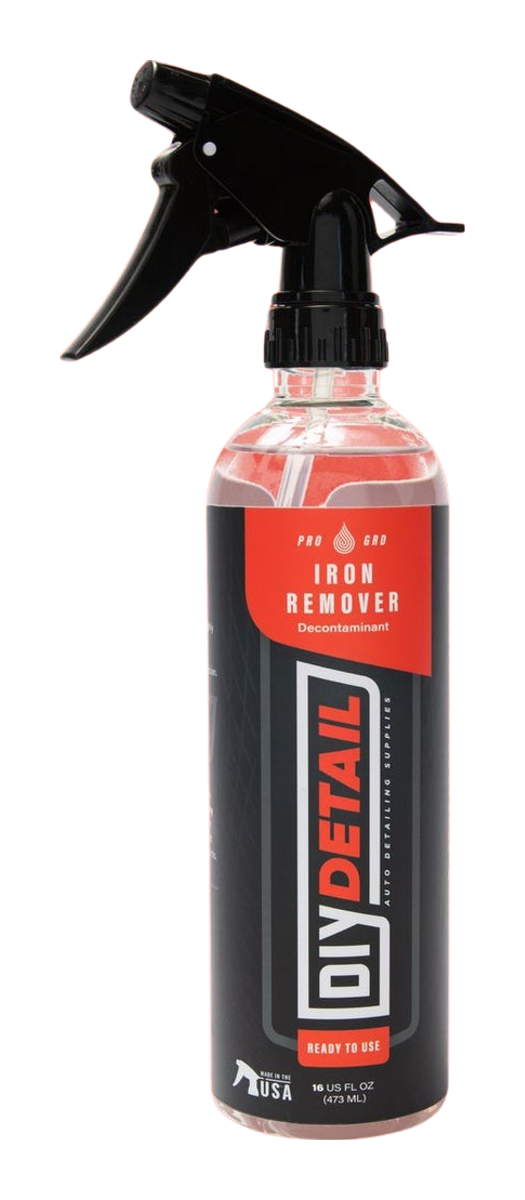
DIY Detail Iron Remover: ChemCX Analysis
Ranked Performance
Pricing
Quick Answer
DIY Detail Iron Remover uses thioglycolate chemistry at a neutral pH to dissolve iron contamination without acidic or alkaline aggression. Like most iron removers in the category, it takes the pH-neutral approach — safe for coated wheels, paint, and trim on every wash.
What It Is
DIY Detail Iron Remover is a ready-to-use thioglycolate-based iron remover — spray it on, let it dwell, and rinse. Thioglycolate reacts with embedded iron particles and brake dust, turning purple as it chelates ferrous contamination and loosens it from the surface. The neutral formulation makes it less aggressive to coatings and trim than acidic alternatives. No dilution needed, so the bottle is grab-and-go.
Specifications
| Attribute | Value |
|---|---|
| pH | 7 |
| Dilution Ratio | ready_to_use |
| Key Actives | Sodium mercaptoacetate |
| Signal Word | Warning |
| Transparency | excellent |
Category Context
| Metric | This Product | Category Average | Category Range |
|---|---|---|---|
| pH | 7 | 6.8 | 3 - 11 |
| Price/oz | $1.41 | $0.80 | $0.35 - $1.19 |
Where It Lands
DIY Detail Iron Remover sits at pH 7, dead neutral and right at the category average of 6.8. Neutral pH means this formula relies entirely on its thioglycolate chemistry to dissolve iron particles, not on acid or alkaline attack. That's gentle on paint, coatings, and trim. It handles routine decontamination well: light to moderate brake dust and embedded fallout from daily driving. For heavily neglected wheels caked with months of baked-on iron deposits, a neutral formula will need longer dwell times or repeat applications compared to acidic alternatives.
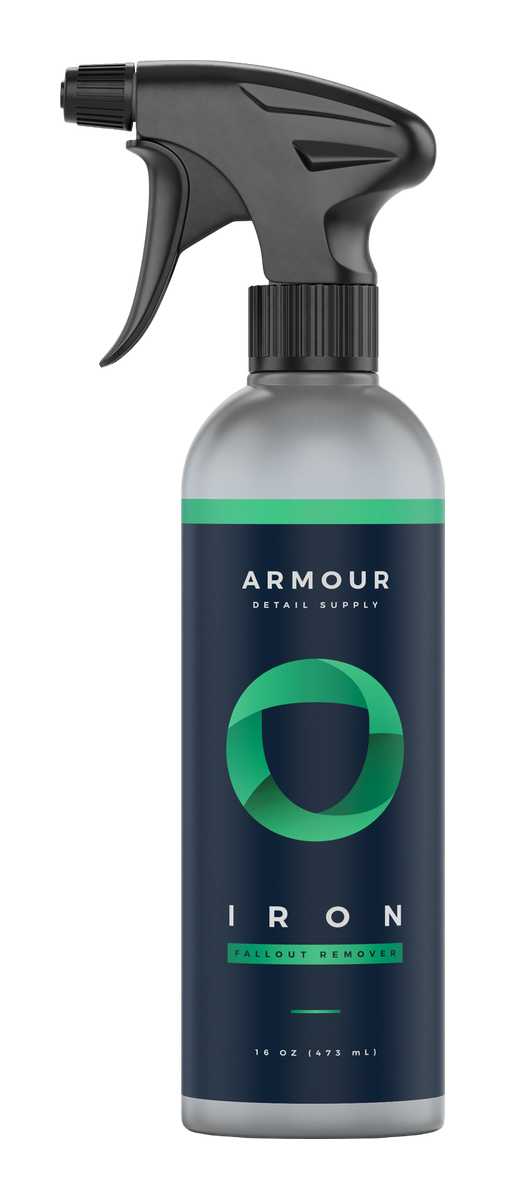
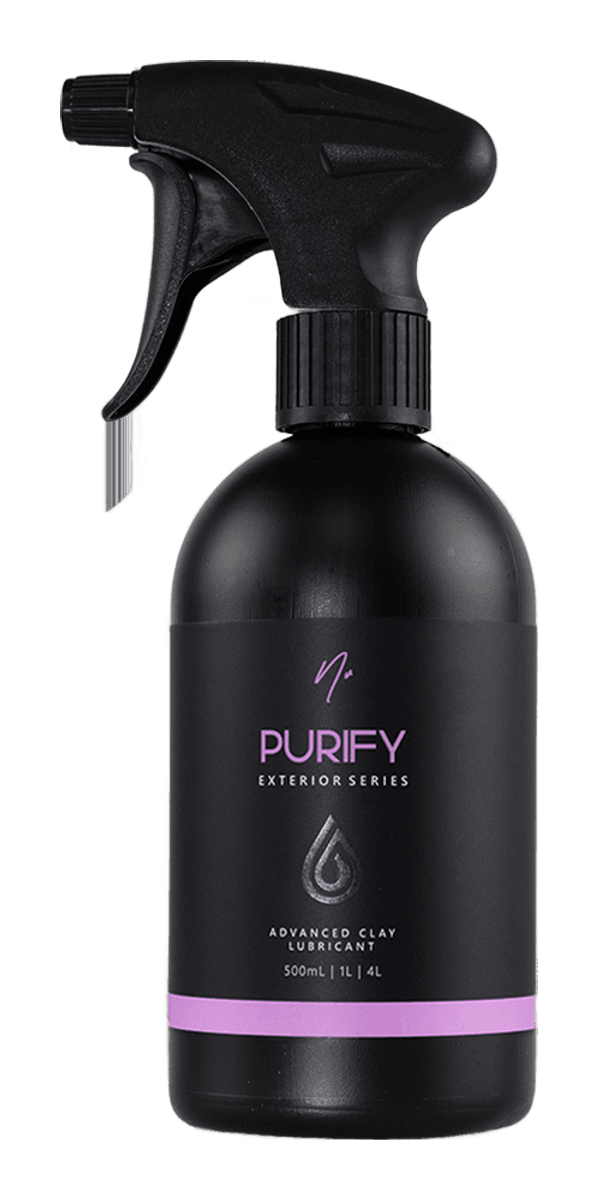
At $1.41/oz, this is one of the more expensive iron remover in the category, 76% above the $0.80 average and above the previous ceiling of $1.19. For similar neutral-pH thioglycolate chemistry in RTU form, Armour Detail Supply Iron costs $0.55/oz, and NV Car Care Purify lands at $0.86/oz.
How It Compares
Closest Alternatives
Armour Detail Supply Iron shares the same neutral pH and thioglycolate approach at 61% less per ounce. For detailers buying iron remover in volume, the cost gap is hard to ignore. The trade-off: lower transparency scores and fewer verified eco credentials.
NV Car Care Purify Fallout Remover Clay Lubricant doubles as a clay lubricant, consolidating two steps into one spray. At 39% cheaper, it suits anyone already planning to clay after decontamination. You lose single-purpose formulation focus.
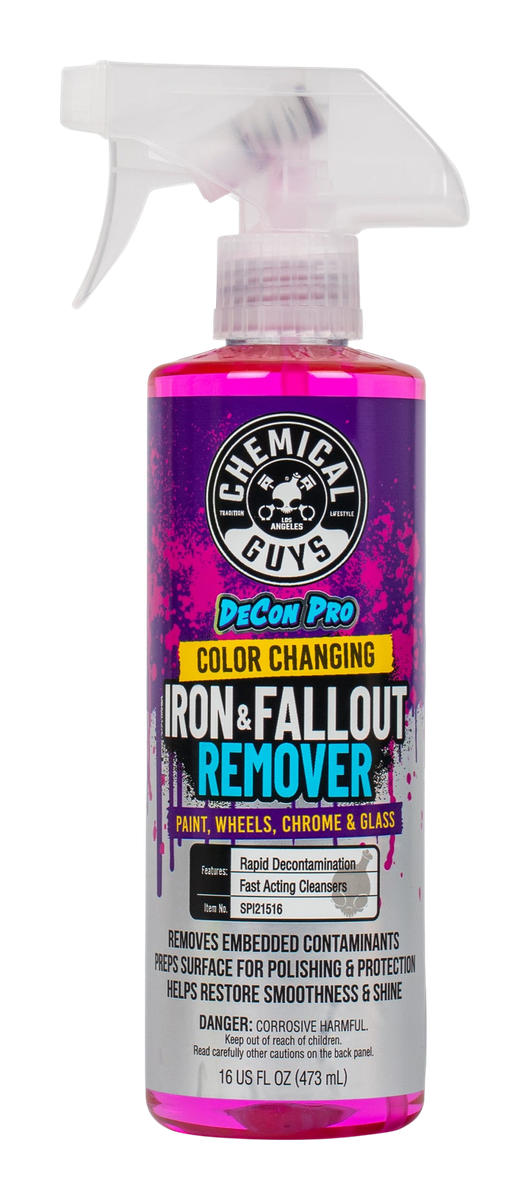
Chemical Guys Decon Pro runs near-identical pH at 7.28 and targets the same gentle decontamination niche. A reasonable swap when availability or brand preference drives the decision, though it costs more per ounce.
Compare These Products


How the Chemistry Works
Sodium mercaptoacetate is the engine here. It's a thioglycolate, a sulfur-containing compound that reacts directly with iron III particles embedded in paint and clearcoat. The sulfur atom donates electrons to iron ions, breaking their bond with the surface and forming a soluble complex. That chemical reaction produces the characteristic purple bleed. At 10–20% concentration, this is a generous dose of the active, meaning dwell times can stay short.
2-Butoxyethanol at 5–10% acts as a coupling solvent, dissolving oily residues like brake grease that sit on top of or around iron deposits. It bridges water-soluble and oil-soluble contamination, giving the thioglycolate cleaner access to embedded particles. Sodium dodecyl sulphate handles the surfactant work, lifting dissolved contaminants into a rinseable film. Sodium xylenesulphonate isn't a true surfactant. It's a hydrotrope, keeping the other ingredients dissolved and the formula stable in the bottle rather than separating into layers.
What We Like
- Neutral pH with full iron-dissolving capability — thioglycolate chemistry does the heavy lifting without acid or alkali, so you can dwell this on coated wheels, PPF edges, and fresh ceramic without risking etching or staining
- Reduced-odor formulation — thioglycolate products are notorious for their sulfur stench; a toned-down smell makes indoor use and enclosed-garage work significantly more tolerable
- Color-change indicator — the purple bleed confirms iron is reacting and tells you where contamination is heaviest, so you know when to agitate versus just rinse
What to Know
- Ready-to-use format means no mixing or measuring, but at $1.41/oz you're paying a premium for that convenience. Budget accordingly if you decontaminate multiple vehicles or large panels regularly.
- The 'Warning' signal word flags irritation risk from thioglycolate chemistry. Gloves are a smart call, and avoid breathing the spray mist. The characteristic sulfur smell is normal, not a sign of danger.
- Neutral pH is gentle on coatings and paint, but heavy iron buildup may need a second application. Spray, dwell 3–5 minutes, and inspect before rinsing. Reapply to stubborn spots rather than extending dwell time indefinitely.
Who Should Buy This
DIY Detail Iron Remover fits detailers who want a grab-and-spray iron remover with no mixing and no acid risk on paint or coatings. It suits anyone decontaminating before polishing or coating installation, and owners of ceramic-coated vehicles who need safe iron removal during maintenance washes. If convenience matters less than cost, Armour Detail Supply Iron delivers the same neutral thioglycolate chemistry at a significantly lower price per ounce.
Want to see how this stacks up? Compare these 3 iron removers
Frequently Asked Questions
Is DIY Detail Iron Remover safe for ceramic coatings and paint? Yes. pH 7 means it's chemically neutral — no acid or strong alkali to attack coatings, clear coat, or trim. The Warning signal word relates to the thioglycolate active ingredient, which is a skin and eye irritant. Wear gloves during use and avoid breathing the spray mist.
Why does it turn purple on my wheels? The thioglycolate reacts with embedded iron particles to form a water-soluble iron complex. That purple-red color is the visible proof iron is dissolving. No color change means no significant iron contamination in that area.
How does DIY Detail Iron Remover compare to Armour Detail Supply Iron? Both are thioglycolate-based at pH 7, so the chemistry and surface safety are equivalent. The difference is cost: Armour Detail Supply Iron runs 61% less per ounce. DIY Detail's ready-to-use format and ingredient transparency are strong, but budget-conscious buyers should weigh that price gap.