Collinite Beadcoat: ChemCX Analysis

Collinite Beadcoat is a spray sealant you wipe on and wipe off, and it leaves paint slick and beading hard right out of the gate. The slickness is the standout. Where a lot of spray sealants leave a thin film that fades after a few washes, this one lays down a more substantial layer that holds its slide and its water beading longer. Application is easy: mist it on a panel or use it as a drying aid after a wash, then wipe it down. The finish comes up glossy and the water rolls off in tight beads.
The workhorse is trimethylsiloxysilicate, a silicone resin that cross-links into a film on the surface rather than sitting as a loose fluid. That resin backbone is why the film feels more durable than a basic silicone sealant and why the beading holds up to UV and detergent washing. Nonionic surfactants keep the spread even and gentle during application. The resin choice is the smart part here, and it earns the slickness and durability the product is going for.
Specifications
| Attribute | Value |
|---|---|
| pH | 7 |
| Dilution Ratio | RTU (Ready-to-Use) |
| Key Actives | trimethylsiloxysillicate |
| Signal Word | None |
| Transparency | excellent |
| Biodegradable | Not disclosed |
Category Context
| Metric | This Product | Category Average | Category Range |
|---|---|---|---|
| pH | 7 | 6.2 | 4 - 9 |
| Price/oz | $1.17 | $1.46 | $0.23 - $7.10 |
Where It Lands
Beadcoat lands in the durable middle of the spray sealant category, built to last where most spray products fade. The resin-based silicone film is the reason. Its neutral pH puts it slightly higher than the category average of 6.2, but at 7 it's pH-neutral in any practical sense: safe on paint, glass, wheels, and trim with no risk of etching or stripping existing coatings. This is a maintenance product, not a stripper. It tops off and extends protection rather than cutting through neglect.
Where it earns its keep is longevity. The film claims 6+ months standalone, well past the few-wash lifespan typical of the category. At $1.17/oz it sits below the $1.46 average, and within a dollar of Meguiar's M799. Cheaper options like Adam's Seal 02 exist, but few promise this kind of film durability. Overkill only if you reseal monthly anyway.
How It Compares
Closest Alternatives
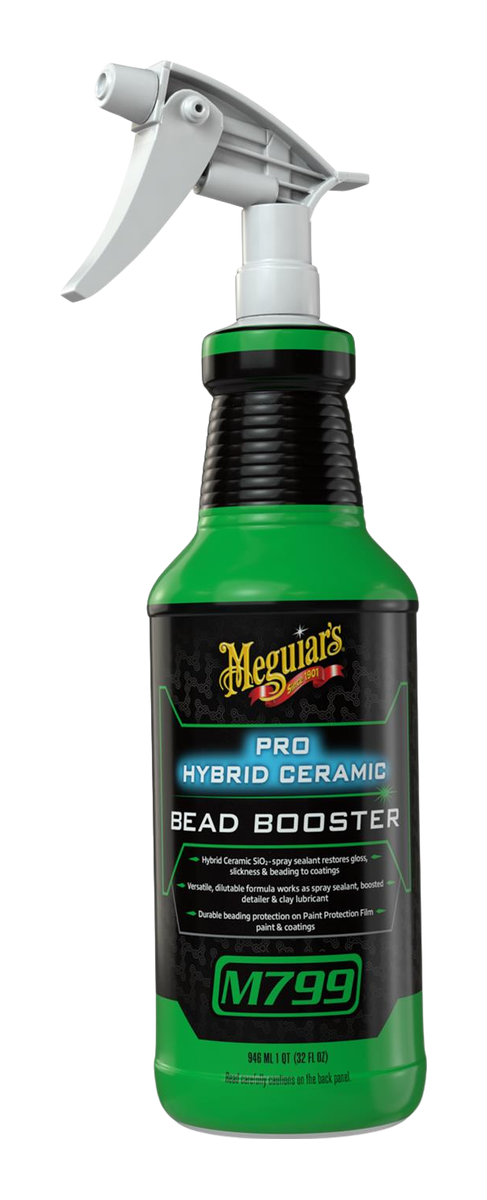
Meguiar's M799 Pro Ceramic Bead Booster matches the formula most closely: a neutral-pH spray sealant priced at $1.16/oz, within a penny of Beadcoat. Both lean on the same wipe-on-wipe-off application and silicone-driven slickness. The closest swap if you want a near-identical experience.
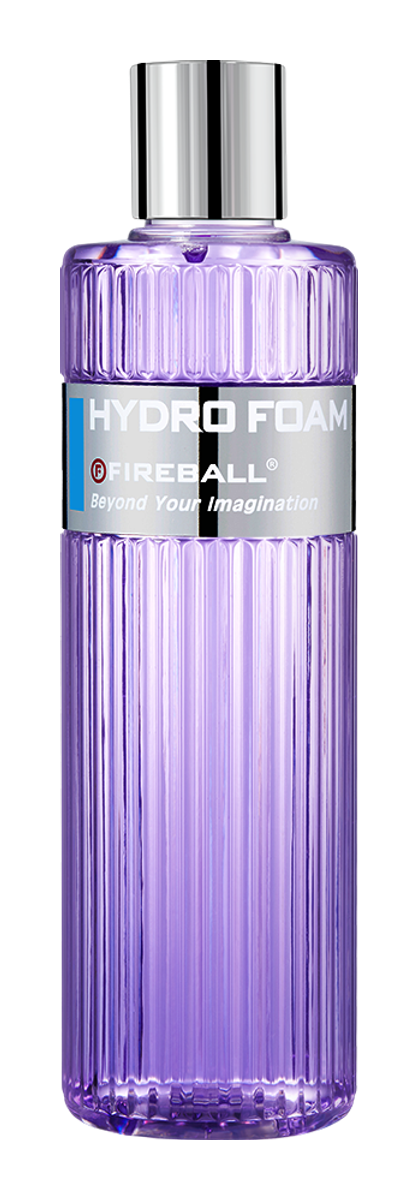
Fireball Hydro Foam Ceramic Sealant takes a foam-application route rather than a straight spray-and-wipe. At $0.74/oz it undercuts Beadcoat while keeping the neutral pH, trading the resin film for a ceramic deposit.
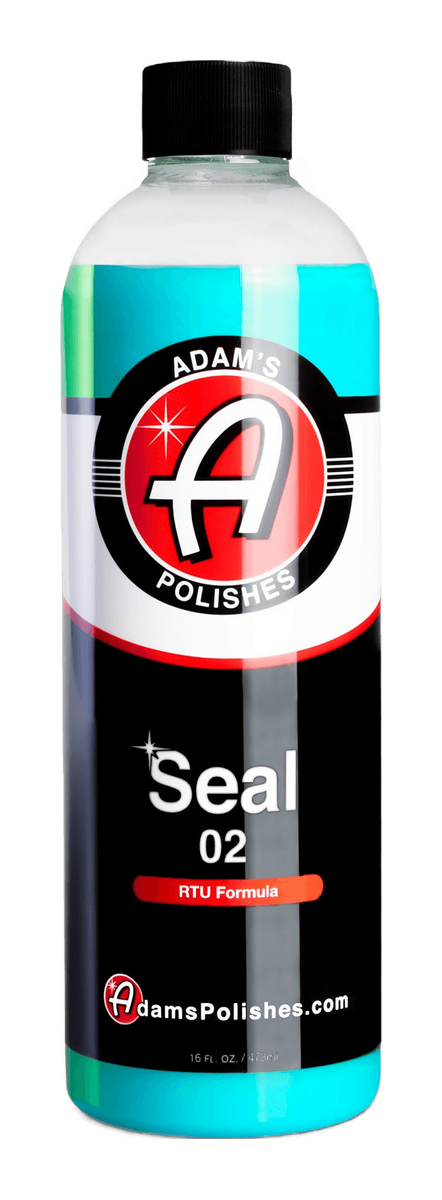
Adam's Polishes Seal 02 is the value play at $0.50/oz, 57% cheaper. Same neutral-pH, ready-to-use spray format, with comparable hydrophobics for routine maintenance between deeper protection.
Compare These Products
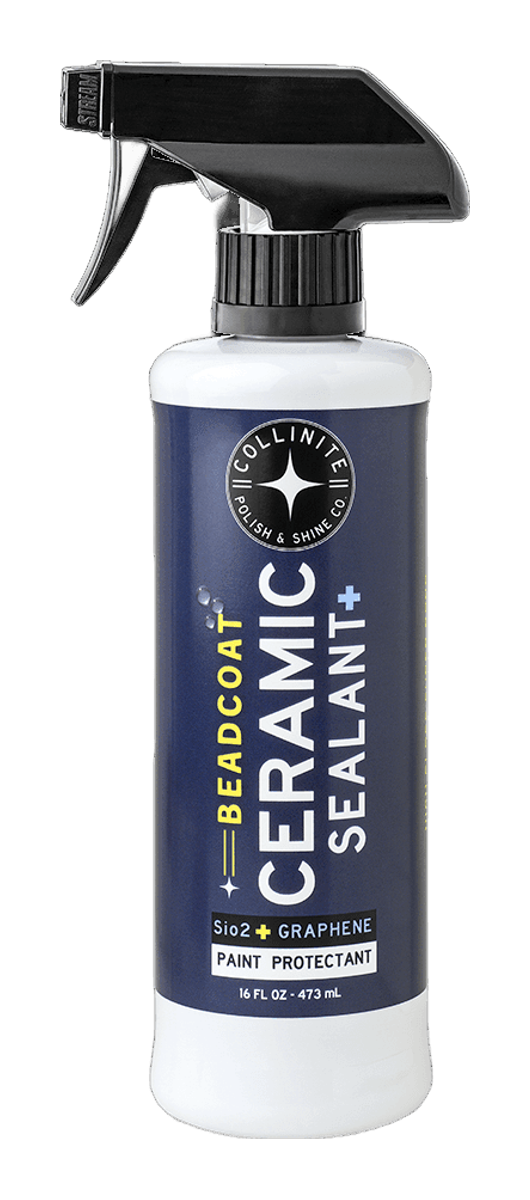



How the Chemistry Works
Three different silicones do three different jobs here, and that division of labor is what separates Beadcoat from a basic single-silicone spray. Trimethylsiloxysilicate is the structural backbone, a resin that dries down into a hard, glassy film instead of an oily smear. Silanol-terminated polydimethylsiloxane is the reactive piece. Its silanol end groups grab onto the paint and chemically anchor the film rather than just resting on top. Polydimethylsiloxane fills in as the surface modifier, the part you feel as that slick, lubricated glide under the towel. The three nonionic surfactants, a PEG-ran-PPG monobutyl ether plus two ethoxylated alcohol systems, keep this silicone payload suspended in water so it sprays evenly and wets out across the panel instead of beading up in the bottle. That's why a quick mist wipes clean without streaking.
The silanol-terminated PDMS is the choice worth understanding. A non-reactive silicone oil would deliver the same first-wash slickness but flash off over a few washes. The reactive silanol groups form actual bonds to the surface, which is the chemistry behind the 6-month durability claim and the resistance to detergent stripping. You experience it as beading that holds up wash after wash rather than fading by week three. The two ethoxylated alcohol surfactants are paired deliberately, one secondary-alcohol type and one branched isotridecyl, which broadens the wetting performance across temperature and water hardness so the spray behaves the same in a cold garage as a warm one.
Disclosure here is partial, limited to the hazardous and regulated components, so the full surfactant and carrier system is wider than these twelve names. The aromatic aldehydes, benzaldehyde and p-tolualdehyde, supply the almond-sweet scent, while 2-phenoxyethanol pulls double duty as preservative in the water base. The SiO2 and graphene the marketing names don't appear in the disclosed list, so treat those claims as unverified against this data.
What We Like
- Resin film doubles as a drying aid — spray it onto a wet panel during your final rinse and it sheets water off while laying down protection, collapsing two steps into one and cutting your detailing time
- Neutral pH plays nice with existing coatings — at a balanced pH it tops ceramic or graphene layers without stripping them, so you refresh slickness and beading instead of dissolving the base layer you paid for
- Priced below the category average — you get resin-grade durability at a cost-per-ounce that undercuts most spray sealants, making frequent reapplication on a daily driver realistic rather than a luxury
What to Know
- Silicone gives you slickness but complicates future coatings — the resin film bonds well, which means it doesn't come off with a quick wash. If you later install a true ceramic or graphene coating, you'll need a dedicated paint prep or polish step to strip it first, or the new coating won't grip.
- The graphene branding outruns the chemistry — you're buying a silicone resin sealant, and it performs like a good one. Don't pay a premium expecting graphene-tier durability the marketing implies.
- Ready-to-use means convenience, not value per wash — no diluting, but you're spraying neat product every time rather than stretching a concentrate.
Who Should Buy This
Reach for Beadcoat when you're maintaining a daily driver that gets washed every couple weeks and you want the water to keep sheeting off months later, not just the first few washes. The resin film earns its keep here: it dries harder and clings longer than the thin sprays that wash away. It also shines as a final-rinse drying aid: mist it onto a wet panel and it sheets water while laying down protection in one pass. If you're prepping a surface for a true ceramic coating, skip it: the bond fights removal. But for slick, durable beading you reapply twice a year, it delivers.
Want to see how this stacks up? Compare these 3 spray sealants
Frequently Asked Questions
Can I use Beadcoat over an existing ceramic or graphene coating? Yes. It's designed to layer on top, refreshing the hydrophobics and slickness of a coating that's started to lose its bead. The trimethylsiloxysilicate resin bonds to the coating surface rather than competing with it, topping up protection without stripping what's underneath.
How long should I let it dwell before wiping? Wipe it off almost immediately — this is a wipe-on, wipe-off product, not a dwell-and-cure sealant. Mist one panel, spread it, then buff with a clean microfiber before it flashes. Letting it sit too long lets the resin film dry unevenly, which leaves streaks that take more effort to remove.
How does it compare to Meguiar's M799 Pro Ceramic Bead Booster? Both are neutral spray sealants applied the same way, but M799 fully discloses its 10 ingredients versus Beadcoat's partial list. Beadcoat's resin-based film is built to outlast most spray sealants. M799 leans more toward bead-booster duty as a drying aid.