CARPRO BugOut: ChemCX Analysis

Ranked Performance
Pricing
Badges
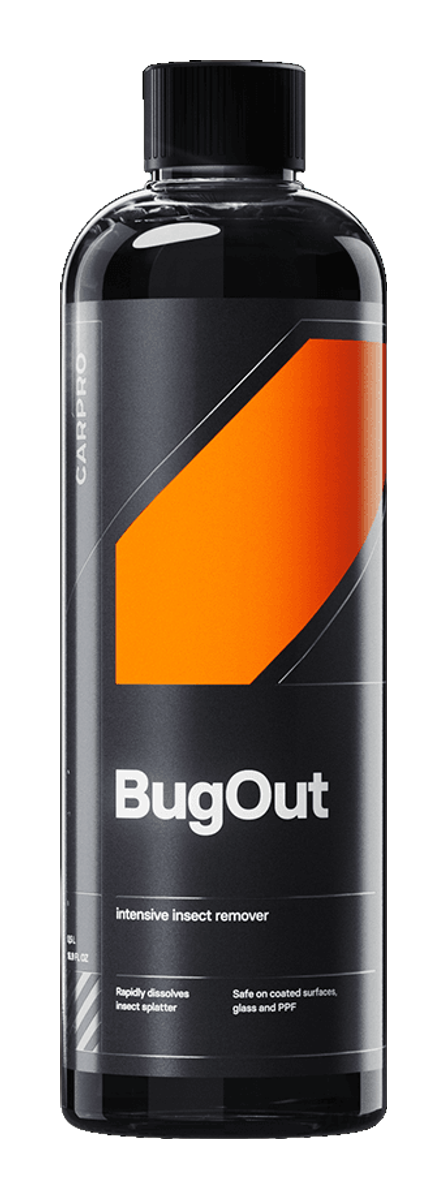
CARPRO BugOut dissolves and softens insect remains so they wipe off instead of needing a scrub. Spray it on, let it dwell, and the bug matter that was cemented to your bumper goes soft and lifts away. It's rated safe on coated vehicles, PPF, glass, and clear coat, so you can use it across the whole front end without worrying about what's underneath.
The formula runs alkaline, which is what breaks down the proteins in dried bug guts and dissolves the hardened chitin shells so the residue softens. A concentrated anionic surfactant system, in the 12 to 15% range, does the lifting. It pulls the loosened debris off the paint and keeps it suspended so it rinses clean instead of smearing. That surfactant load is heavier than most bug removers carry, and it's the reason BugOut clears stuck-on splatter with less mechanical effort. Nothing exotic in the approach, but the alkaline base and the strong surfactant package are well matched to the job.
Specifications
| Attribute | Value |
|---|---|
| pH | 12 |
| Dilution Ratio | RTU (Ready-to-Use) |
| Key Actives | Sodium dodecylpoly(oxyethylene) sulfate |
| Signal Word | Danger |
| Transparency | good |
| Biodegradable | Yes |
Category Context
| Metric | This Product | Category Average | Category Range |
|---|---|---|---|
| pH | 12 | 11.0 | 7 - 13.5 |
| Price/oz | $1.00 | $0.54 | $0.12 - $1.06 |
Where It Lands
BugOut sits at the strong end of the bug remover category. Its alkaline build is tuned to break down protein-rich insect remains, and at pH 12 it runs a full point above the category average of 11.0. The extra alkalinity tackles splatter that's baked on through a summer road trip to soften and lift where a milder formula would still need agitation. For a quick weekly wipe-down of light contamination, that strength is more than the job requires.
Where it earns its keep is heavy, set-in bug matter on coated and PPF-protected surfaces. The trade-off is cost. At $1.00/oz, BugOut is premium-priced, nearly double the category average and roughly four times what 3D Bug Remover runs at the same pH. Maniac Line Insect Remover lands closer at $0.94/oz, so the price premium isn't unique, but cheaper equals-strength options exist.
How It Compares
Closest Alternatives
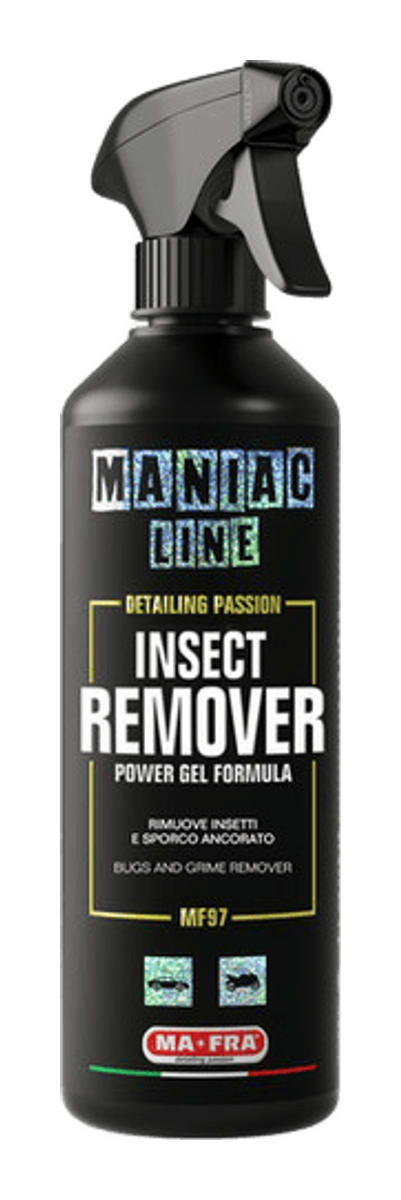
Maniac Line Insect Remover matches the alkaline approach almost exactly at pH 11.8, breaking down insect proteins through the same mechanism. Priced at $0.94/oz, it lands just below BugOut, making it the closest formulation swap available.
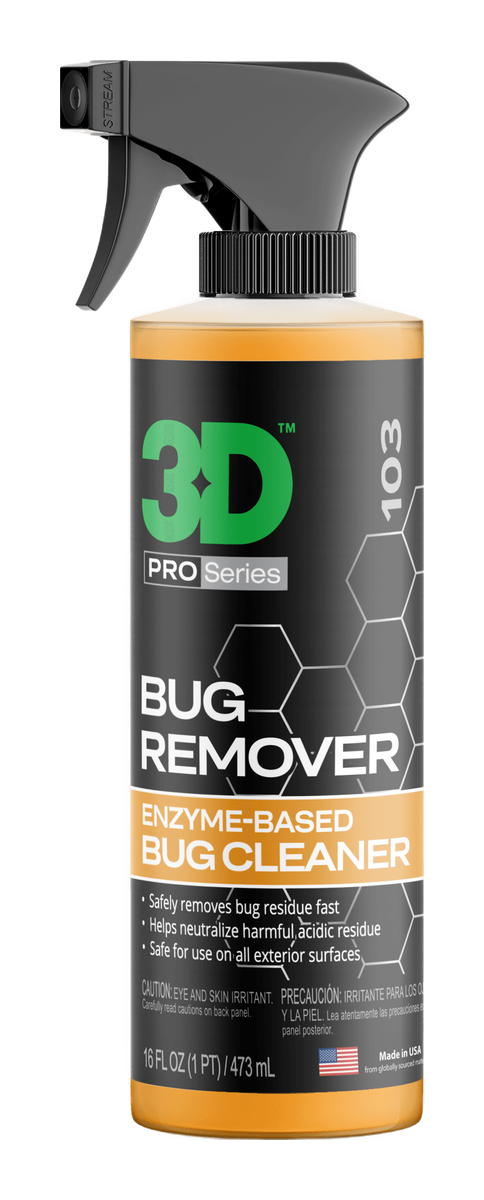
3D Bug Remover hits the same pH 12 but at $0.27/oz — 73% cheaper. If you treat bugs often and want the same alkaline strength without the premium, this is the move.
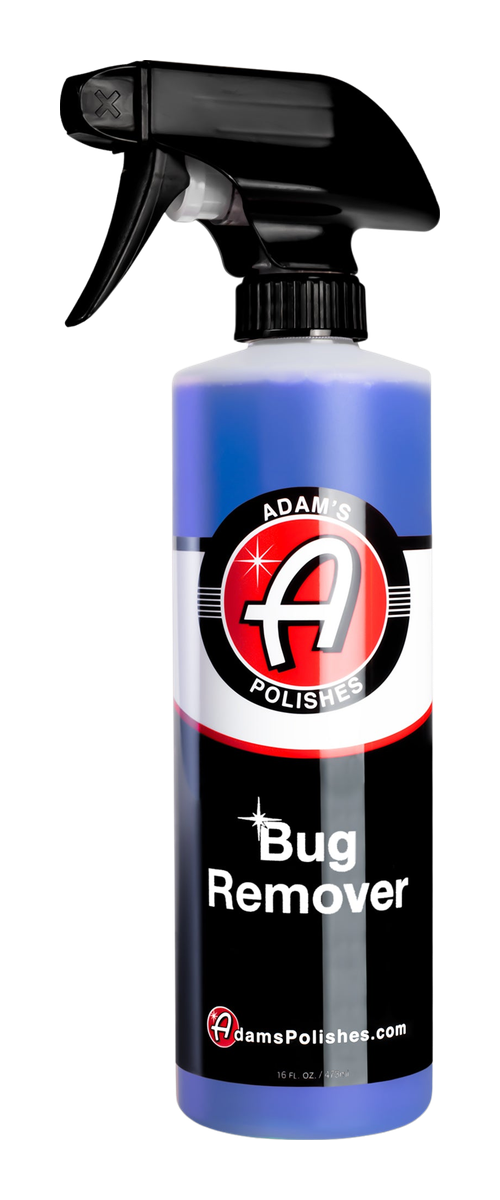
Adam's Polishes Bug Remover also runs pH 12 at $0.27/oz, matching BugOut's alkalinity for a fraction of the cost. Performance sits in the same range; the savings come down to brand and packaging rather than chemistry.
Compare These Products


How the Chemistry Works
Bug splatter is a stubborn mix of protein, lipids, and dried-on organic matter, and BugOut attacks it on two fronts at once. The alkaline base saponifies the fatty, oily fraction of insect remains, converting it into something water-soluble, while a dual surfactant system goes to work on the rest. Sodium dodecylpoly(oxyethylene) sulfate, the anionic primary at 12 to under 15%, drops the water's surface tension so the formula penetrates under the crust instead of beading on top. The C12-14 ethoxylated alcohol, a nonionic secondary, broadens that cleaning range and stabilizes the foam. Add 2-butoxyethanol cutting the oily binder that cements bugs to paint, and the cementing matrix loosens from underneath. What you experience is the softening BugOut is named for: spray, dwell, and the splatter goes to mush instead of fighting back.
The surfactant pairing is the smart part. An anionic surfactant alone foams well but can struggle on certain greases; a nonionic alone cleans broadly but flattens fast. Running both means the formula covers more contamination types and holds foam long enough to dwell on a vertical bumper without sheeting off immediately. EDTA earns its place too. It binds the calcium and magnesium from your tap water, so the surfactants aren't wasted neutralizing hard-water minerals and instead spend their full strength on the bug matter. That's also why it rinses cleaner with fewer spots.
Nine ingredients are disclosed, but this is a hazard-driven SDS list, not the full recipe. The citrus and floral fragrance notes, citral, limonene, linalool, benzyl benzoate, and sweet orange extract, are listed because they're allergens, and they explain the bright citrus smell during use that masks the solvent edge. Read the disclosure for what it is: the regulated fraction. The supporting cast that rounds out a finished spray sits below the reporting threshold and stays off the label.
What We Like
- Non-splashing foam delivery — the foam clings to vertical bumpers and grille slats instead of running off, holding the actives in contact with bug matter long enough to soften it before you wipe.
- High surfactant load (12-15%) — that concentration emulsifies the protein and lipid debris fast, so a single dwell cycle lifts splatter that would otherwise need a second pass.
- Validated coating and PPF compatibility — the alkaline build is tuned to dissolve insect remains without etching ceramic coatings or films, so you clean the dirtiest panel on the car without sacrificing the protection layer underneath.
What to Know
- Surface-safe claims don't mean dwell-and-forget — BugOut is rated safe on coatings, PPF, and glass, but the alkalinity that softens bug protein will also work on wax and sealant if you let it sit. Rinse promptly and budget for topper reapplication after heavy use.
- Ready-to-use convenience caps your value per bottle — there's no diluting to stretch the product, so you pay full price for every ounce sprayed. On a heavily plastered front end, you'll go through it faster than a concentrate.
- "Danger" rating earns its keep — this alkalinity demands thorough rinsing and gloves. The strength that clears neglected splatter is the same strength that burns skin.
Who Should Buy This
Reach for BugOut when you've come back from a highway run with a grille caked in dried splatter that's been baking in the sun for days. The clinging foam holds the alkaline actives against vertical bumpers and grille slats long enough to saponify the lipid fraction and soften the protein crust, so it wipes off instead of demanding a scrub that risks marring your clear coat. It's also the call when you're working over PPF or a ceramic-coated front end and want bug chemistry rated safe on those surfaces. For a full-disclosure formula or a thinner contamination layer, gentler options exist. But for thick, sun-cured insect cement on a protected vehicle, this softens the mess before you touch it.
Want to see how this stacks up? Compare these 3 bug removers
Frequently Asked Questions
Can I use BugOut on matte or satin finishes? Yes, but rinse promptly. The same surfactant action that lifts bug matter from coatings and PPF works on matte wraps and finishes without leaving the gloss-altering residue that solvent-heavy removers can. Test an inconspicuous area first and don't let it dry on the surface.
How long should I let it dwell? Give it two to three minutes on dried-on splatter. The alkaline base needs contact time to saponify the lipid fraction and loosen the protein bond before you wipe. On fresh, light splatter, 30 seconds is enough. Never let it dry — re-mist if the foam starts to flash off.
Why is BugOut leaving streaks after I wipe? You're likely wiping before a full rinse. Alkaline residue and emulsified bug matter need to be flushed with water, not just toweled away. Rinse thoroughly, then dry. Hard water can also leave spotting, so dry promptly in direct sun.