Armour Detail Supply GHOST Tire Sealant: ChemCX Analysis

Quick Answer
GHOST Tire Sealant lands at the expensive end of the tire dressing category at $1.56/oz — near the ceiling. Its alkaline chemistry sets it apart from the neutral-to-acidic formulations that dominate the field, suggesting built-in surface-prep capability alongside dressing performance. Detailers wanting a one-step apply-and-seal approach should take a closer look.
What It Is
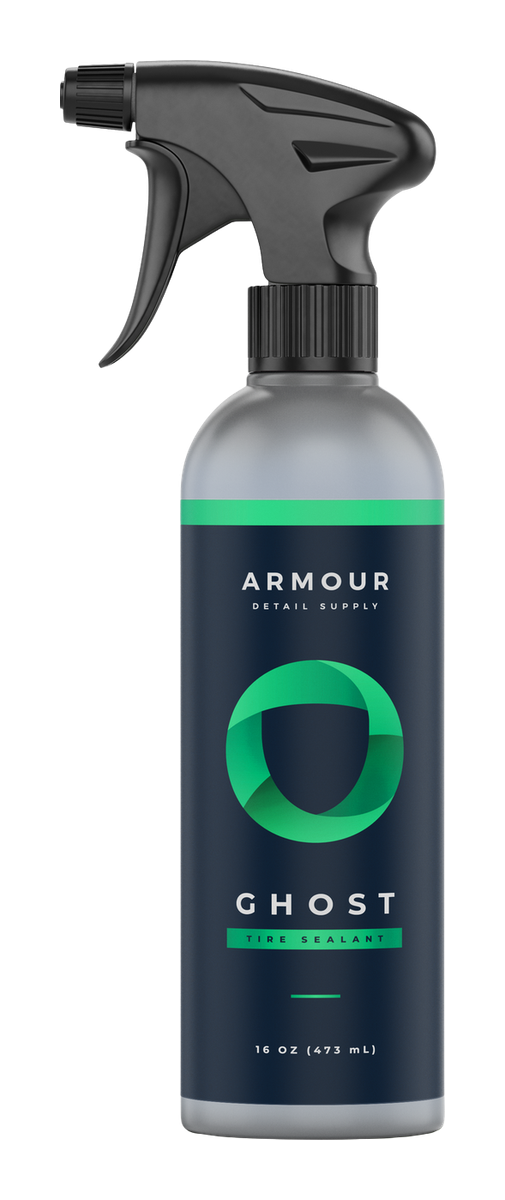
GHOST Tire Sealant is a ready-to-use tire dressing from Armour Detail Supply, a smaller brand positioned in the enthusiast-detailer market. The chemistry approach isn't publicly disclosed, though the mildly alkaline formulation suggests a polymer- or silicone-based emulsion rather than a solvent-driven system.
Specifications
| Attribute | Value |
|---|---|
| pH | 9 |
| Dilution Ratio | ready_to_use |
| Key Actives | Not disclosed |
| Signal Word | None |
| Transparency | moderate |
Category Context
| Metric | This Product | Category Average | Category Range |
|---|---|---|---|
| pH | 9 | 7.5 | 4.99 - 11.5 |
| Price/oz | $1.56 | $0.84 | $0.21 - $1.66 |
Where It Lands
GHOST lands at pH 9, well above the tire dressing category average of 7.5. That alkalinity suggests the formula leans on mild cleaning or emulsifying action to help the dressing bond to rubber, stripping light residues as it applies. Most tire dressings sit near neutral because they prioritize coating over cleaning. A pH 9 product won't damage rubber, but it may interact differently with previously applied silicone-based dressings. If you're layering over an existing coating, test a small section first.
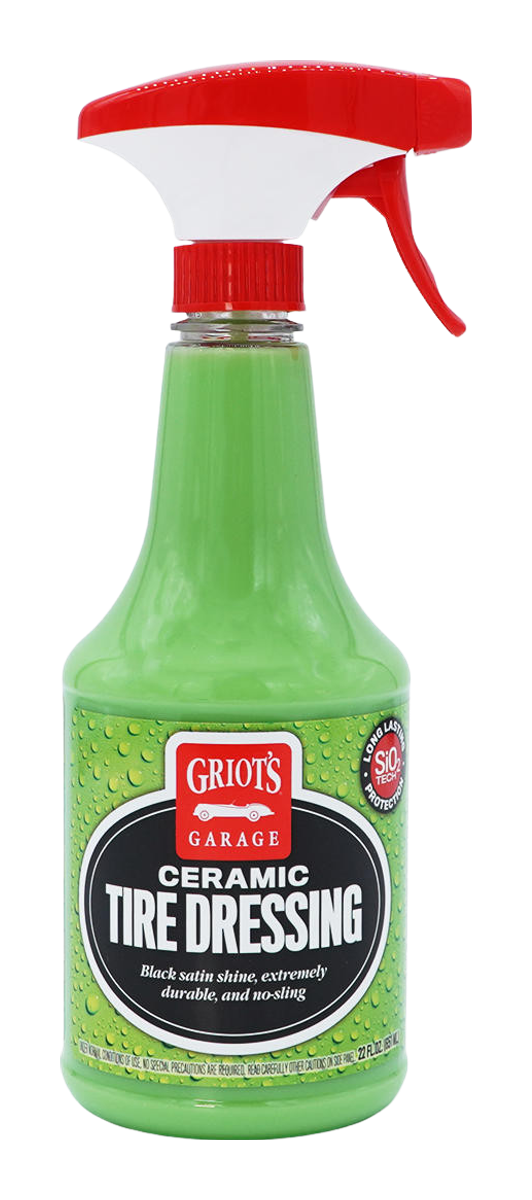
At $1.56/oz, GHOST sits near the category ceiling of $1.66/oz — 86% above the $0.84 average. That's a steep ask for a ready-to-use tire dressing with undisclosed chemistry. Griot's Garage Ceramic Tire Dressing offers comparable alkalinity at pH 9.3 for roughly $0.55/oz.
How It Compares
Closest Alternatives
Griot's Garage Ceramic Tire Dressing sits at nearly the same pH but costs 65% less. Ceramic-branded durability at a fraction of the price makes this the straightforward pick for detailers watching per-car costs.
Carbon Collective Sateen Rubber Tyre Protectant 2.0 runs neutral at pH 7.5 and costs 37% less. The milder chemistry suits anyone applying dressing to trim edges or delicate plastics alongside tires. Trade-off: less alkaline bite for deep cleaning during application.
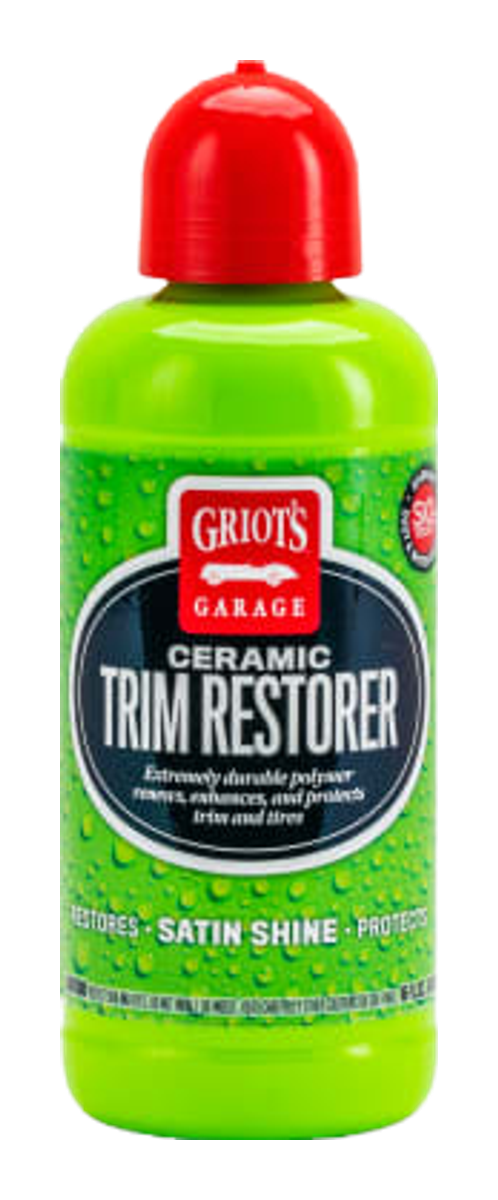
Griots Garage Ceramic Trim Restorer matches the alkaline range at pH 8.9 but targets trim rather than tires. Useful when you need one product pulling double duty on faded rubber and plastic trim panels.
Compare These Products
How the Chemistry Works
Armour Detail Supply does not disclose GHOST's ingredient list, so there is no formulation to reverse-engineer here. The SDS and product labeling offer no chemical names, no surfactant identifiers, and no polymer or silicone callouts. That leaves us working from context clues alone.
The mildly alkaline pH tells us the formula likely relies on a water-based carrier rather than a heavy solvent system. Beyond that, whether GHOST uses silicone emulsions, acrylic polymers, or some hybrid approach for its shine and protection remains unknown. Without disclosed ingredients, we cannot confirm the presence of surfactants, crosslinkers, UV stabilizers, or any other functional additives.
This is a transparency gap worth flagging. Competing tire dressings in this price range typically publish full ingredient lists or at minimum identify their active polymer system. Buyers paying $1.56/oz are buying on trust and results alone, not on verifiable chemistry.
What We Like
- Sealant-style formulation at mildly alkaline pH — the pH 9 baseline suggests active film-forming chemistry rather than a simple silicone-oil coat, which should help the dressing bond to rubber and resist sling-off at highway speeds
- RTU convenience with no mixing math — eliminates dilution guesswork, a real advantage for mobile detailers who need consistent results tire-to-tire without carrying measuring cups on-site
What to Know
- Armour Detail Supply doesn't publish a full ingredient list. That makes it hard to predict how GHOST interacts with specific wheel coatings or prior dressings. Test on a small section first and check for streaking or residue before committing to all four tires.
- At $1.56/oz with no concentrate option, cost adds up fast on frequent applications. If you're dressing tires weekly, a concentrate-format competitor stretches the budget significantly further.
- The mild alkalinity can interact with bare or polished aluminum wheel lips during application. Gloves are a good idea, and wiping overspray off wheels promptly avoids any etching risk.
Who Should Buy This
GHOST suits detailers who want a grab-and-spray tire sealant with no mixing and no measuring — ideal for high-volume work where speed matters. It also fits enthusiasts willing to pay a premium for a boutique product they trust on show cars. If budget matters more than brand loyalty, Griot's Garage Ceramic Tire Dressing delivers comparable chemistry at roughly a third of the cost. For a pH-neutral option gentler on dressings already on the tire, Carbon Collective Sateen is worth a look.
Want to see how this stacks up? Compare these 3 tire dressings
Frequently Asked Questions
Is GHOST Tire Sealant safe for ceramic coated wheels? Yes. pH 9 is mild enough that incidental contact with coated surfaces won't cause damage. Wipe overspray promptly and avoid letting it pool on painted or coated areas.
How does GHOST compare to Griot's Garage Ceramic Tire Dressing? Both sit near pH 9 and deliver a similar alkaline film-forming approach. Griot's runs about 65% cheaper per ounce, making it the better value if longevity and finish are comparable. GHOST's appeal is its boutique positioning and ready-to-use convenience.
Why is GHOST so expensive compared to other tire dressings? At $1.56/oz with no dilution option, cost per application is high. A typical tire requires roughly 0.5–1 oz per coat, putting a four-tire job at $3–$6. Griot's Ceramic Tire Dressing or Carbon Collective Sateen deliver similar chemistry profiles for significantly less.
Does GHOST Tire Sealant need to cure before driving? Armour Detail Supply markets it as a sealant, which implies a film that needs time to set. Allow at least 15–20 minutes before driving to avoid sling. Always check the label for the manufacturer's specific cure guidance.