Adams Graphene Tire Dressing: ChemCX Analysis
Quick Answer
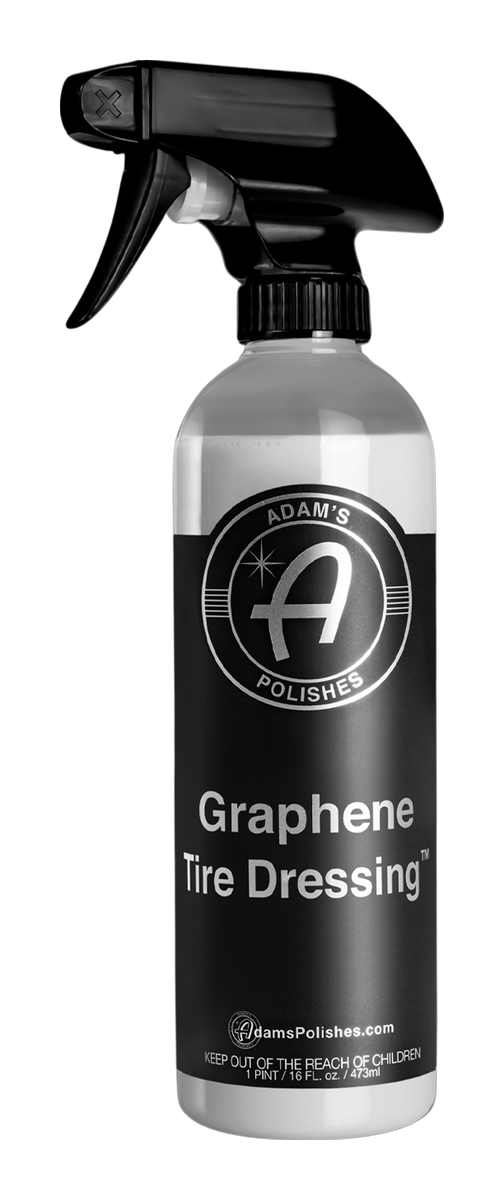
Adams Graphene Tire Dressing is a premium ready-to-use tire dressing built around a sophisticated silicone polymer system with graphene ceramic resin technology. Based on ChemCX analysis of 24 tire dressing products, this formula stands out for its excellent ingredient transparency and complex multi-silicone approach, though it comes at a 29% premium over the category average.
What It Is
Adams offers this tire dressing as part of their graphene-infused product line, targeting enthusiasts who want a satin finish rather than the high-gloss look. The formula uses six different surfactants alongside multiple silicone polymers to create what the brand calls a "no-sling" formulation. It's positioned in the tire dressings category as a premium option emphasizing durability and a natural appearance over dramatic shine.
Specifications
| Attribute | Value |
|---|---|
| pH | 6 |
| Dilution Ratio | ready_to_use |
| Key Actives | Polydimethylsiloxane |
| Signal Word | Warning |
| Transparency | Excellent |
Category Context
| Metric | This Product | Category Average | Category Range |
|---|---|---|---|
| pH | 6 | 7.0 | 5.5 - 9 |
| Price/oz | $1.06 | $0.82 | $0.15 - $1.56 |
Where It Lands
The pH of 6 places this dressing on the slightly acidic side of neutral, which is typical for silicone-based tire dressings. This mild acidity helps the formula stay stable in the bottle and won't cause any issues with rubber tire compounds. You're not dealing with anything aggressive here—this is about application and appearance, not chemical cleaning action.
At $1.06 per ounce, you're paying a significant premium compared to the category average of $0.82. That 29% price increase needs to deliver something meaningful, and Adams is betting on the graphene ceramic technology and the satin finish aesthetic to justify it. The RTU format means no dilution flexibility, so what you see is what you get in terms of value extraction.
How It Compares
Closest Alternatives
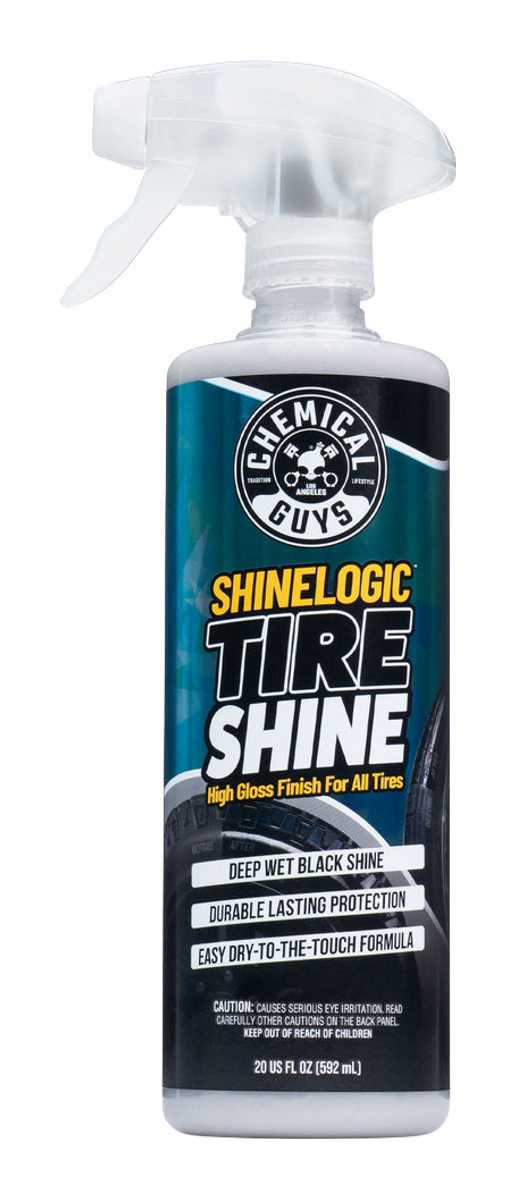
Chemical Guys ShineLogic Tire Shine shares a nearly identical pH of 6.04 but costs 53% less per ounce. If you're after similar chemistry at a lower price point and don't need the graphene marketing angle, this is worth considering.
3D Ultra Protectant Tire Shine Spray matches the pH exactly at 6 and comes in 63% cheaper. The significant cost savings make this an attractive option for high-volume users who go through tire dressing regularly.
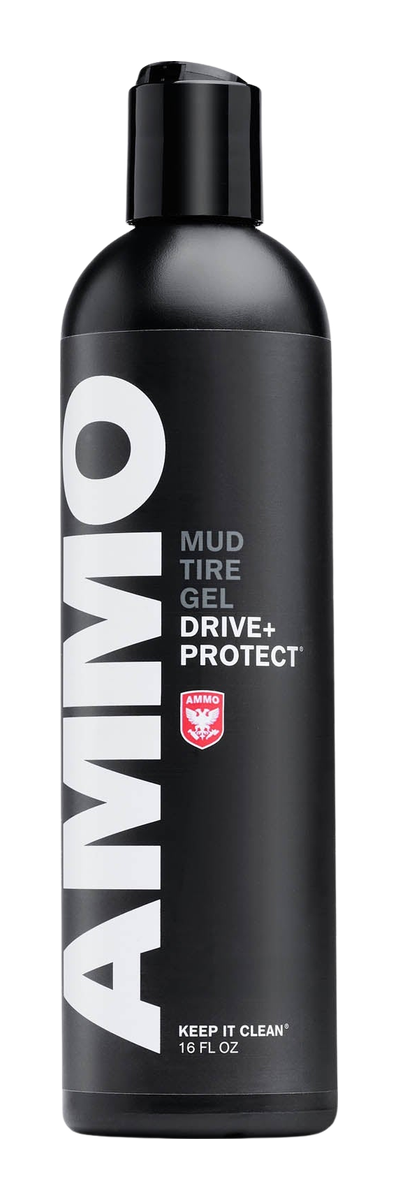
AMMO NYC AMMO Mud Tire Gel sits slightly lower at pH 5.5 and uses a gel format rather than spray. Larry Kosilla's formulation takes a different application approach that some detailers prefer for precision work on sidewalls.
Compare These Products


How the Chemistry Works
The heart of this formula is a layered silicone system. Dimethicone provides the base shine and water resistance, while polytrimethylhydrosilylsiloxane adds reactive bonding capability. This reactive silicone can crosslink to form more durable protective films on the rubber surface—it's not just sitting on top, it's attempting to grab hold. Tetra(trimethylsiloxy)silane contributes to the smooth, even application by reducing surface friction during spreading.
The polyurea silazane is particularly interesting. This advanced polymer provides exceptional heat resistance, which matters on tires that can get hot during driving. It helps explain the durability claims and the "no-sling" positioning—a more heat-stable film is less likely to break down and fling off at highway speeds.
Six surfactants work together to ensure even spreading and prevent the formula from beading up on the tire surface. Undecyl glucoside, a plant-derived surfactant, leads the cleaning and wetting action. The combination of C11-15 secondary alcohol ethoxylates and C11-14 iso alcohol ethoxylates provides broad compatibility with different tire rubber formulations.
What We Like
- Excellent transparency rating means Adams discloses their ingredients fully, letting you know exactly what's going onto your tires
- Multi-silicone approach with reactive bonding silicones suggests better durability than single-silicone formulas
- Heat-resistant polyurea silazane supports the no-sling claims with actual chemistry rather than marketing alone
What to Know
- Contains parachlorobenzotrifluoride, a solvent flagged as a suspected carcinogen—work in ventilated areas and avoid prolonged exposure
- Multiple fragrance allergens present in the extensive scent profile, which may concern sensitive users despite the pleasant orange and vanilla notes
- Premium pricing at 29% above category average means you're paying for the graphene branding and advanced silicone system
Who Should Buy This
This dressing makes sense for enthusiasts who specifically want a satin, natural-looking finish rather than wet glossy shine. If you've had issues with tire dressing slinging onto your fenders and paint, the reactive silicone system here may provide better results. Detailers who value ingredient transparency and want to know exactly what they're applying will appreciate the excellent disclosure. Skip this if you're a high-volume user looking for the best cost-per-application or if you prefer traditional high-gloss tire appearance.
The Bottom Line
Adams Graphene Tire Dressing delivers a chemically sophisticated formula with reactive silicones and heat-resistant polymers that support its durability and no-sling claims. The premium price is the tradeoff for advanced technology and full ingredient transparency. For satin-finish seekers who don't mind paying more, it's a well-engineered option.
Want to see how this stacks up? Compare these 3 tire dressings
Frequently Asked Questions
Is the graphene actually doing anything in this formula? The graphene ceramic resin technology works alongside the silicone polymer system to enhance surface properties. Whether graphene provides meaningful benefits over traditional silicones in a tire dressing application remains debated, but the overall formulation is legitimately sophisticated.
How long does the satin finish typically last? The reactive silicones suggest better longevity than basic dimethicone-only formulas. Expect 1-2 weeks of appearance in typical conditions, though durability varies with driving habits and weather exposure.
Should I be concerned about the parachlorobenzotrifluoride? Use normal precautions—apply in ventilated areas, avoid breathing spray mist, and wash hands after use. The Warning signal word indicates moderate hazard, not extreme danger, but awareness is warranted.
Can I layer this over other tire dressings? The surfactant system should help it bond to clean rubber, but applying over other silicone products may cause uneven results. Clean tires thoroughly before first application for best adhesion.
Why is the pH slightly acidic at 6? Mild acidity helps stabilize silicone emulsions and is compatible with rubber compounds. This is standard for the category and won't harm your tires.