Adam's Polishes Spray Wax: ChemCX Analysis
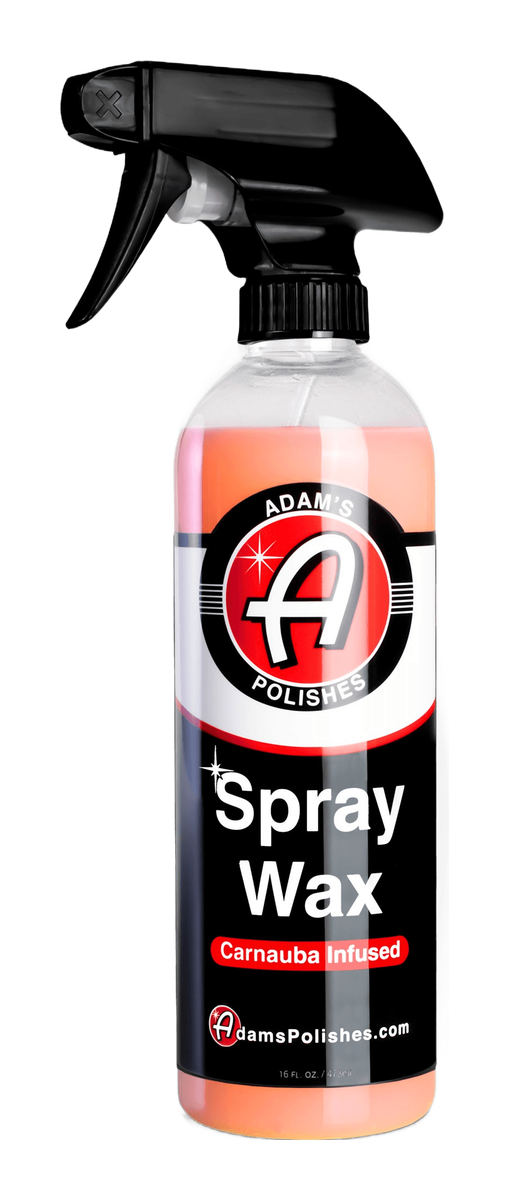
Adam's Spray Wax layers carnauba wax and SiO2 into a single spray-and-wipe step. You get the warm, deep gloss that carnauba is known for, plus the tight water beading that silica resin delivers. It goes on streak-free, buffs off easily, and leaves the paint looking freshly waxed without the hour of pad work. For a maintenance product between full details, it pulls double duty: topping up gloss and reinforcing hydrophobic behavior in one pass.
The formula starts with a carnauba wax emulsion made from T1-grade flakes, the highest refinement tier of carnauba. That's where the optical depth comes from. Silica resin additives bond to the surface at a molecular level and create the water sheeting and beading behavior that straight carnauba can't match on its own. Polydimethylsiloxane ties the two together, acting as the primary surface modifier that helps everything spread evenly and gives the slick, lubricated feel during wipe-off. It's a genuinely hybrid formula, not just carnauba with a marketing nod to SiO2.
Specifications
| Attribute | Value |
|---|---|
| pH | 7.8 |
| Dilution Ratio | RTU (Ready-to-Use) |
| Key Actives | polydimethylsiloxane |
| Signal Word | None |
| Transparency | excellent |
| Biodegradable | Not disclosed |
Category Context
| Metric | This Product | Category Average | Category Range |
|---|---|---|---|
| pH | 7.8 | 7.1 | 4.8 - 10 |
| Price/oz | $0.47 | $0.60 | $0.27 - $1.35 |
Where It Lands
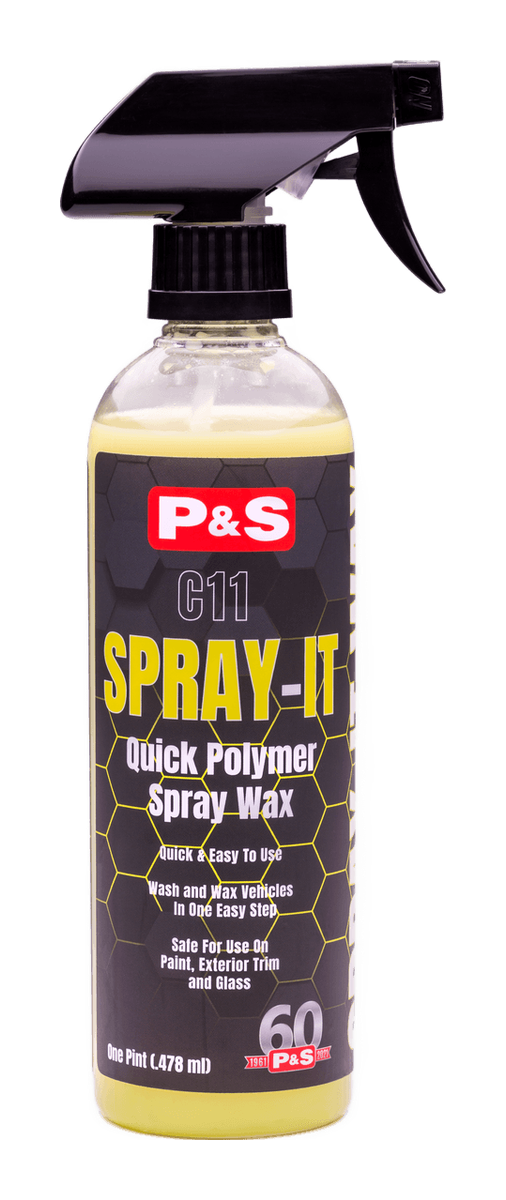
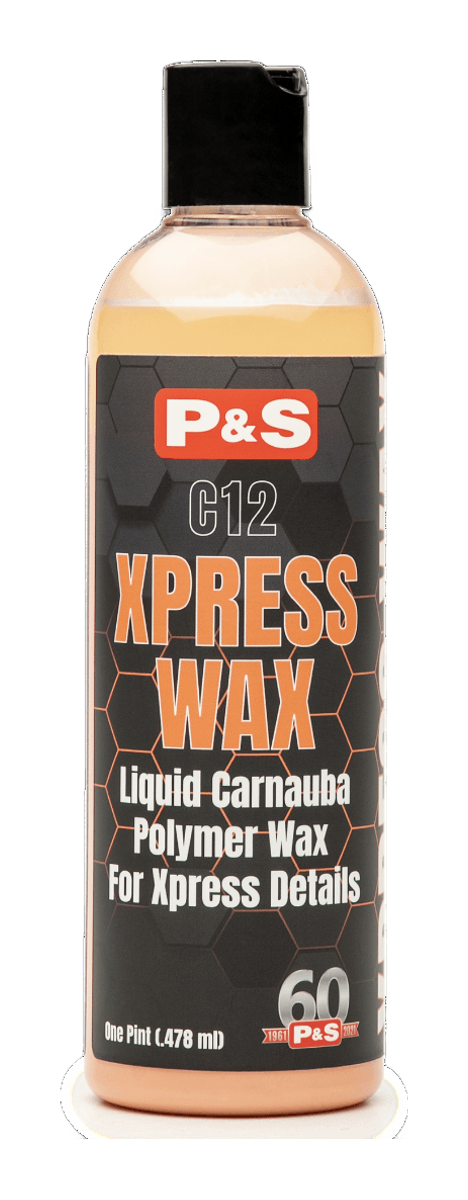
Adam's Spray Wax sits slightly alkaline of center in the spray wax category, pH 7.8 against a 7.1 average. That mild alkaline lean gives it a practical edge on lightly contaminated paint: better emulsification of road film and water spots during application than the acidic-leaning alternatives like P&S Xpress Wax (6.5) or P&S Spray-It (6.8). It won't strip existing sealants, but it does more surface-cleaning work as it lays down protection. A dual-benefit product rather than a pure gloss layer.
For weekly maintenance washes, the hybrid carnauba-SiO2 approach delivers more durable beading than straight carnauba sprays without the fussiness of dedicated ceramic boosters. At $0.47/oz, 22% below the category average, it undercuts most competitors while offering a more complex protection stack. P&S Spray-It costs less at $0.27/oz, but runs a simpler chemistry. Well-suited for daily drivers between full details.
How It Compares
Closest Alternatives
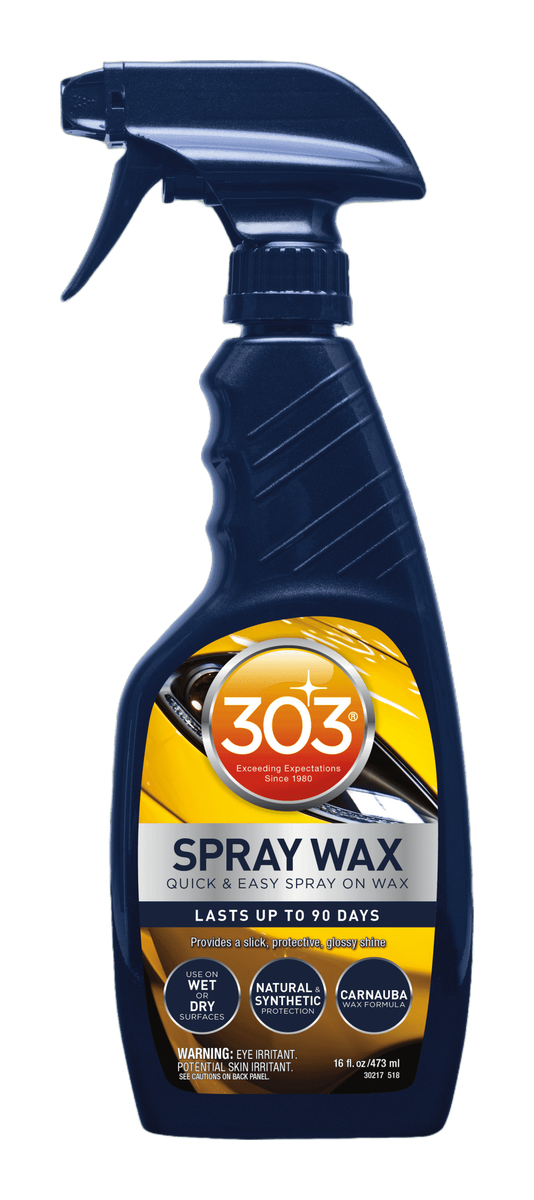
303 Products Spray Wax runs a similar silicone-and-wax architecture at a nearly identical neutral pH. The closest formulation parallel in the category, and it costs roughly half as much per ounce.
P&S Spray-It takes a slightly acidic approach at pH 6.8, which shifts its strength toward water spot removal rather than film emulsification. That lower pH pairs well with coated surfaces where alkaline contact is a concern.
P&S Xpress Wax drops further to pH 6.5, the most acidic option here. A strong pick for maintenance washes on ceramic-coated paint where you want protection without nudging pH upward.
Compare These Products

How the Chemistry Works
Three protection layers deploy from a single trigger pull. Polydimethylsiloxane (PDMS) spreads first, carried by water and driven across the surface by three nonionic surfactants that reduce surface tension and ensure even wetting. As the water flashes off, PDMS forms a slick, hydrophobic base film. Trimethylsiloxysilicate, a hard silicone resin, crosslinks within that PDMS layer to add rigidity and durability that PDMS alone can't deliver. Carnauba wax, emulsified into the water phase by ethoxylated C12-14 alcohols and the ethoxylated 2-propylheptanol co-emulsifier, deposits on top as the carrier evaporates. The result is a composite film: carnauba for depth and warmth, silicone resin for tight beading and longevity, PDMS for slickness between them. That layering is why the product buffs off so easily, the silicone lubricates the towel pass. And the finish reads as glossy rather than plasticky.
Trimethylsiloxysilicate is the ingredient that separates this formula from a basic silicone-and-carnauba spray. Most spray waxes rely on PDMS alone for their silicone contribution, which gives good initial slickness but washes away quickly. Trimethylsiloxysilicate forms a harder, more weather-resistant film that acts as a scaffold for the softer PDMS and carnauba above it. Think of it as the rebar inside concrete. This is the "SiO2" component in Adam's marketing. While it's not a ceramic coating in the consumer sense, it does provide better water behavior and durability than PDMS-only formulas. The user feels this as beading that holds up through several washes rather than disappearing after the first rain.
Fourteen ingredients are disclosed. The five fragrance chemicals (benzyl benzoate, d-limonene listed as (R)-p-mentha-1,8-diene, hexyl cinnamic aldehyde, linalool, benzyl salicylate) account for the grapefruit scent profile. Undisclosed components almost certainly include additional emulsifiers to keep carnauba wax stable in suspension, preservatives beyond 2-phenoxyethanol, and possibly co-solvents that aid film coalescence. The three disclosed nonionic surfactants handle emulsification and wetting, but the ratio and total surfactant load remain unknown, making it impossible to fully assess how the formula achieves its streak-free buffing behavior from disclosed data alone.
What We Like
- Carnauba emulsion + silicone resin in one step — you get the optical warmth of a natural wax with the tight, hydrophobic sheeting that trimethylsiloxysilicate provides, without layering two separate products. That saves 10–15 minutes per application versus a traditional wax-then-sealant routine.
- Neutral pH means genuine surface agnosticism — safe across paint, trim, glass, and chrome in one pass. Acidic spray waxes risk etching bare aluminum trim; alkaline ones can haze fresh ceramic toppers. This formulation sidesteps both failure modes.
- RTU pricing undercuts the category average by 22% — competitive pricing for a dual-active formula that pairs carnauba with silicone resin, where most products at this price point rely on silicone alone.
What to Know
- Silicone residue complicates future coating work — the PDMS backbone that makes this product glide on and bead water so well leaves a film that must be fully stripped before applying a ceramic coating or paint correction. Skip that step and the coating won't bond properly. Budget for a panel wipe or IPA wipedown if you plan to upgrade protection later.
- Spray wax durability is the tradeoff for spray wax convenience — carnauba and silicone resin deposited from a water-thin carrier lay down a fraction of the film thickness you'd get from a paste wax or dedicated ceramic sealant. Expect 2–4 weeks of meaningful beading, not months.
- Partial ingredient disclosure limits informed decisions — 14 ingredients are listed, but the actual formula contains undisclosed components. If you're screening for specific sensitizers or compounds you want to avoid, the safety data sheet alone won't give you the full picture.
Who Should Buy This
If you're maintaining a freshly corrected or polished car between weekend washes, the carnauba and silicone-resin hybrid delivers both optical depth and hydrophobic sheeting in a single wipe-down, no need to layer separate products. For daily drivers that accumulate light road film between washes, the slightly alkaline pH helps emulsify surface contamination during application, so you're cleaning and protecting in one pass. Where this product earns its price over cheaper silicone sprays is the dual-mechanism finish: carnauba warmth plus silicone-resin beading that holds up through several wash cycles.
Want to see how this stacks up? Compare these 3 spray waxes
Frequently Asked Questions
Can I use Adam's Spray Wax on plastic trim and glass? Yes. The PDMS carrier spreads evenly across non-porous surfaces, and the neutral pH won't etch or stain black trim. On glass, buff thoroughly. Silicone leaves a haze if you use too much. One light mist per panel is enough.
How long does the protection last between applications? Expect 2–4 weeks of visible beading on a garaged daily driver. The carnauba emulsion breaks down faster than the SiO2 resin, so you'll lose optical depth before you lose water sheeting. Reapply when water stops forming tight beads.
How does Adam's Spray Wax compare to P&S Xpress Wax? P&S Xpress Wax runs slightly acidic, which gives it a minor edge at lifting water-spot minerals during application. Adam's counters with its silicone resin additive (trimethylsiloxysilicate), producing tighter water beading and longer sheeting durability. Choose P&S for wash-step integration, Adam's for standalone gloss.
Does the silicone base affect paint sealant adhesion if I layer them? It can. PDMS sits on top of most synthetic sealants rather than bonding beneath them, so applying a sealant over uncured spray wax traps a slick layer that weakens adhesion. Apply sealant first, let it cure fully, then top with spray wax.