Adam's Polishes Eco All Purpose Cleaner: ChemCX Analysis
Ranked Performance
Pricing
Badges
Quick Answer
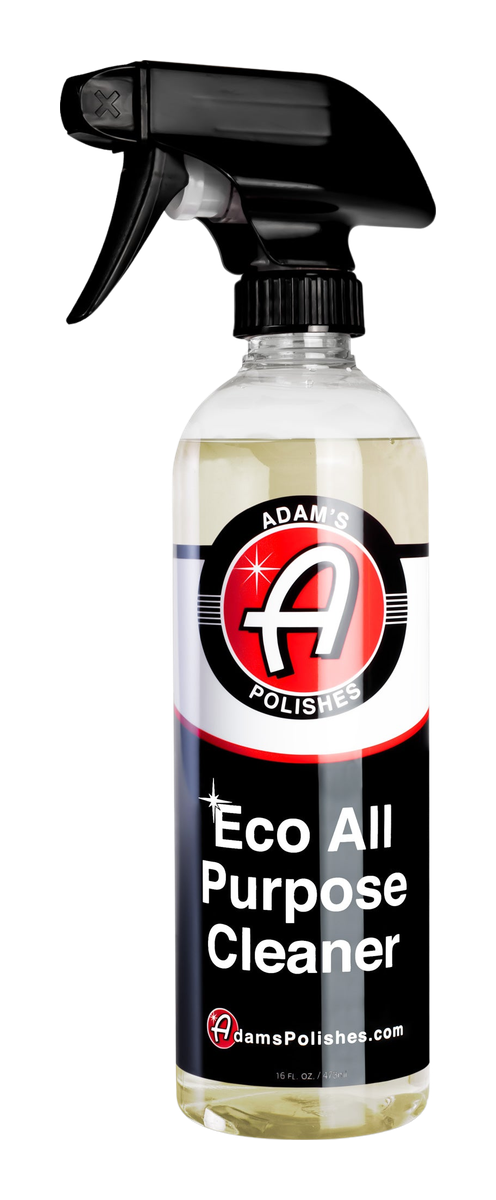
Adam's Eco All Purpose Cleaner builds its cleaning power around undecyl glucoside, a plant-derived nonionic surfactant, instead of the synthetic surfactant systems dominating the APC category. That nonionic backbone means lower residue on surfaces and genuine EPA Safer Choice credentials. Detailers who want a variable-dilution concentrate with verified biodegradability and full ingredient transparency should give Adam's Eco APC a shot.
What It Is
Eco All Purpose Cleaner is an alkaline concentrate built around plant-derived surfactants and EPA Safer Choice–approved ingredients. The alkaline chemistry lifts organic soils like grease, grime, and bug residue through saponification and emulsification. Sold as a concentrate with variable dilution ratios, users adjust strength to the task: light dilution for interior wipe-downs, heavier concentrations for engine bays and wheel wells.
Specifications
| Attribute | Value |
|---|---|
| pH | 10.5 |
| Dilution Ratio | variable |
| Key Actives | sodium hydroxide |
| Signal Word | Warning |
| Transparency | excellent |
Category Context
| Metric | This Product | Category Average | Category Range |
|---|---|---|---|
| pH | 10.5 | 11.2 | 7 - 13.6 |
| Price/oz | $0.62 | $0.43 | $0.09 - $0.94 |
Where It Lands
Adam's Eco APC sits at pH 10.5, a full point below the category average of 11.2. It's mild, but that's why it's worth adding to your detailing quiver. It cleans interior plastics, leather, and coated surfaces without the alkaline bite that stronger APCs carry. Gentleness is an asset when doing the weekly wipe-down of dashboards and door panels. Heavy degreasing tasks like engine bays or neglected wheel wells will expose its limits; you'd want something north of pH 12 for that work.
At $0.62/oz, Adam's Eco APC costs 44% more than the category average of $0.43. As a concentrate with variable dilution, a 4:1 mix drops effective cost to roughly $0.12/oz of working solution — reasonable but not competitive. P&S All Purpose Cleaner delivers similar pH territory at $0.09/oz neat, roughly 85% less per ounce.
How It Compares
Closest Alternatives
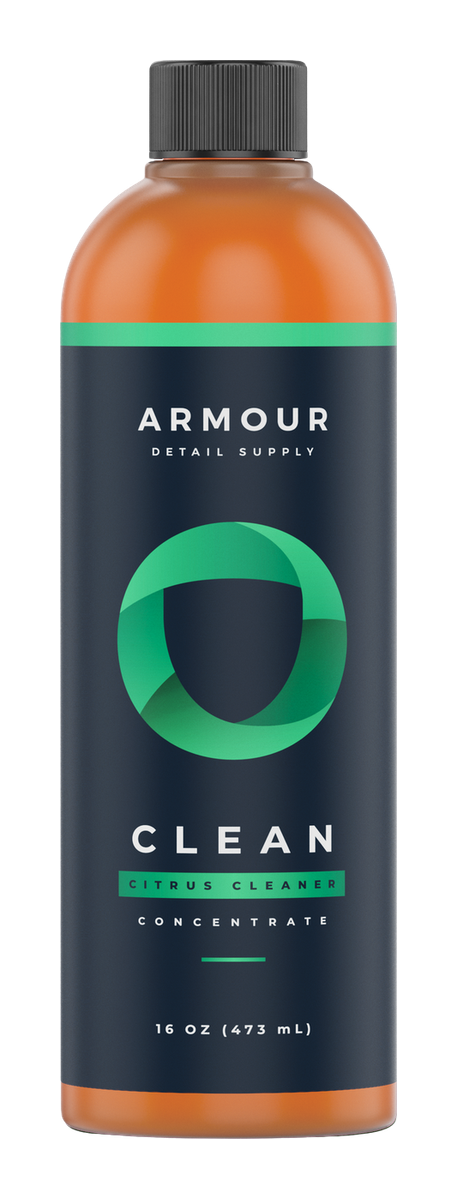
Armour Detail Supply CLEAN All Purpose Cleaner matches Adam's pH 10.5 and costs 37% less per ounce. Same alkalinity, lower price, and is a straightforward swap for detailers who don't need the EPA Safer Choice credential.
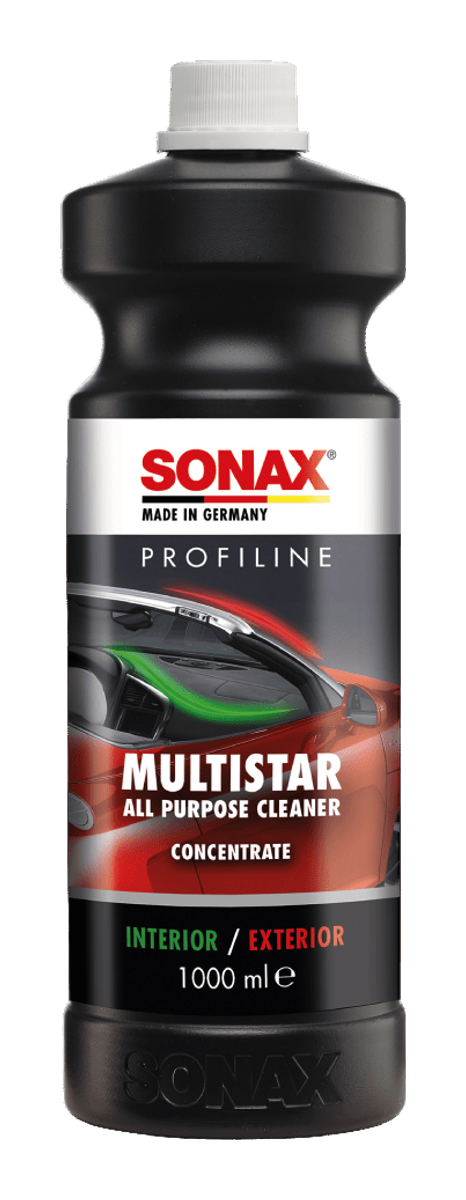
Sonax Multi Star All Purpose Cleaner steps up half a pH point for slightly more bite on greasy interiors, at 44% less per ounce. The trade-off is no eco certification.
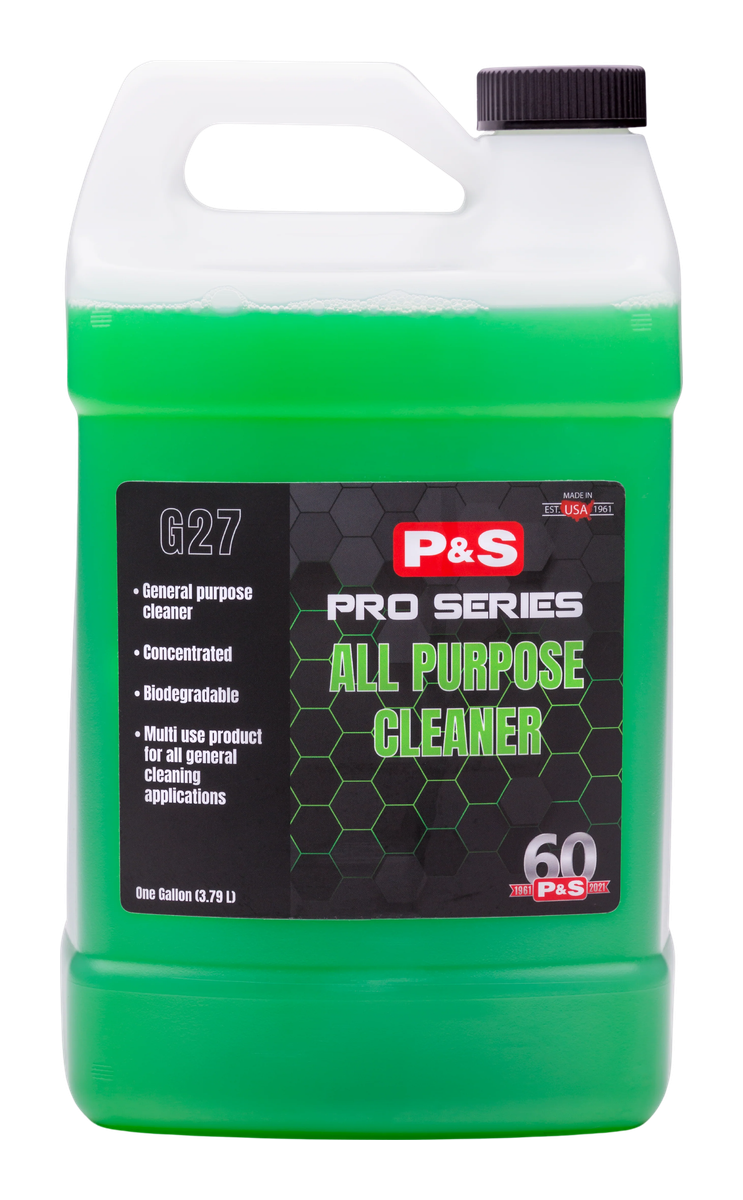
P&S All Purpose Cleaner costs 85% less per ounce and is the volume play for shops burning through APC daily. Half a point more alkaline, and is also biodegradable.
Compare These Products



How the Chemistry Works
Sodium hydroxide drives the cleaning here, but at a restrained concentration. It generates hydroxide ions that break ester bonds in greasy soils, a process called saponification, converting oils into water-soluble soap. At this product's moderate alkalinity, that reaction proceeds slowly enough to stay safe on most interior and exterior surfaces while still dissolving road film and body oils.
Undecyl glucoside handles the surfactant work solo. This sugar-derived nonionic surfactant lowers surface tension so the alkaline solution can wet surfaces and penetrate soil layers. It foams modestly and rinses clean. One surfactant is unusual for an APC; most formulations blend two or three types to cover different soil chemistries.
The chelating agent, tetrasodium glutamate, binds calcium and magnesium ions that would otherwise deactivate the surfactant or leave mineral deposits behind. It's a glutamic acid derivative, chosen here over conventional chelators like EDTA. The trace 1,4-dioxane listed is a manufacturing impurity from surfactant production, not a functional ingredient.
What We Like
- Five-ingredient simplicity — Fewer components mean fewer potential interactions with coatings and trim. Troubleshooting a reaction is straightforward when you can identify every active in the bottle.
- Plant-derived primary surfactant — Undecyl glucoside handles the emulsification work typically assigned to synthetic ethoxylates. It pairs well with the moderate alkalinity to clean without the aggressive bite of higher-pH competitors.
- EPA Safer Choice ingredients with direct-release rating — Qualifies for use in environments where runoff reaches soil or storm drains, a genuine constraint for mobile detailers and outdoor wash setups.
What to Know
- The "Warning" signal word reflects alkaline chemistry that can irritate skin and eyes on contact. Gloves are a smart default, especially when mixing concentrate. Keep a rinse bucket nearby.
- Moderate alkalinity still strips wax and sealants with repeated use. On protected paint, rinse promptly and limit dwell time. Ceramic coatings tolerate it better, but don't let it dry on the surface.
- Variable dilution means you'll need spray bottles and a measuring approach. Start weaker for interior plastics, go stronger for engine bays and wheel wells. Test on an inconspicuous spot first.
Who Should Buy This
Detailers who clean ceramic-coated or PPF-protected vehicles regularly will appreciate the mild alkaline chemistry and short ingredient list with fewer unknowns touching expensive protection. Hobbyists who want one concentrate they can dial up for engine bays or dial down for interior plastics get real flexibility here. If budget matters, P&S All Purpose Cleaner handles similar jobs at a fraction of the cost.
Want to see how this stacks up? Compare these 3 all purpose cleaners
Frequently Asked Questions
Is Adam's Eco APC safe for ceramic coatings and PPF? Yes. pH 10.5 is mild enough for regular use on coated and film-protected surfaces. Stronger APCs at pH 11–12 risk degrading coatings over time, but this formula stays below that threshold. Always test on an inconspicuous area first.
What dilution ratio should I use? Adam's labels this as variable dilution. Start at 10:1 for interior plastics and light exterior grime, step down to 4:1 for engine bays and heavily soiled surfaces. Full strength is rarely necessary given the sodium hydroxide backbone.
Why does Adam's Eco APC carry a Warning label if it's eco-friendly? The Warning reflects alkaline chemistry. A pH of 10.5 still irritates skin and eyes on contact. Eco certifications address environmental degradability, not personal exposure. Wear gloves.