Adam's Adams All Purpose Cleaner: ChemCX Analysis
Ranked Performance
Pricing
Badges
Quick Answer
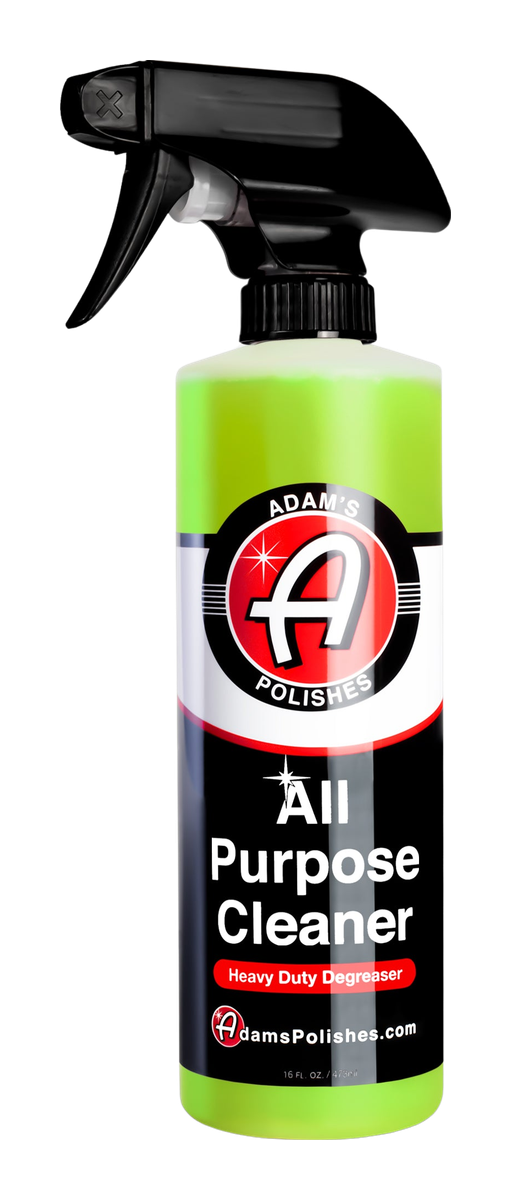
Adam's All Purpose Cleaner sits at pH 13 among several products at this alkalinity level but distinguished by its ultra-concentrated format at $0.81/oz. This APC is suited for detailers who want one product to handle everything from engine bays to interior plastics.
What It Is
Adam's Polishes produces this all-purpose cleaner, positioning themselves in the enthusiast detailing market with strong direct-to-consumer presence. The product uses alkaline chemistry at pH 13, placing it at the aggressive end of the cleaning spectrum. Sold as a concentrate with adjustable dilution ratios for different surfaces, users can customize strength and go with stronger mixes for engine bays and heavy grease, weaker dilutions for interior plastics and delicate trim.
Specifications
| Attribute | Value |
|---|---|
| pH | 13 |
| Dilution Ratio | dilutable for delicate surfaces |
| Key Actives | Sodium Hydroxide |
| Signal Word | Danger |
| Transparency | excellent |
Category Context
| Metric | This Product | Category Average | Category Range |
|---|---|---|---|
| pH | 13 | 11.1 | 7 - 13.6 |
| Price/oz | $0.81 | $0.49 | $0.13 - $1.22 |
Where It Lands
At pH 13, this sits at the aggressive end of the APC category. That alkalinity cuts through engine bay grease, heavy interior soiling, and oxidized trim without scrubbing. The tradeoff: undiluted contact with leather, vinyl, or coated surfaces risks damage. Adam's positions this as dilutable for delicate surfaces, including for interiors, which tempers the aggression while maintaining cleaning ability.
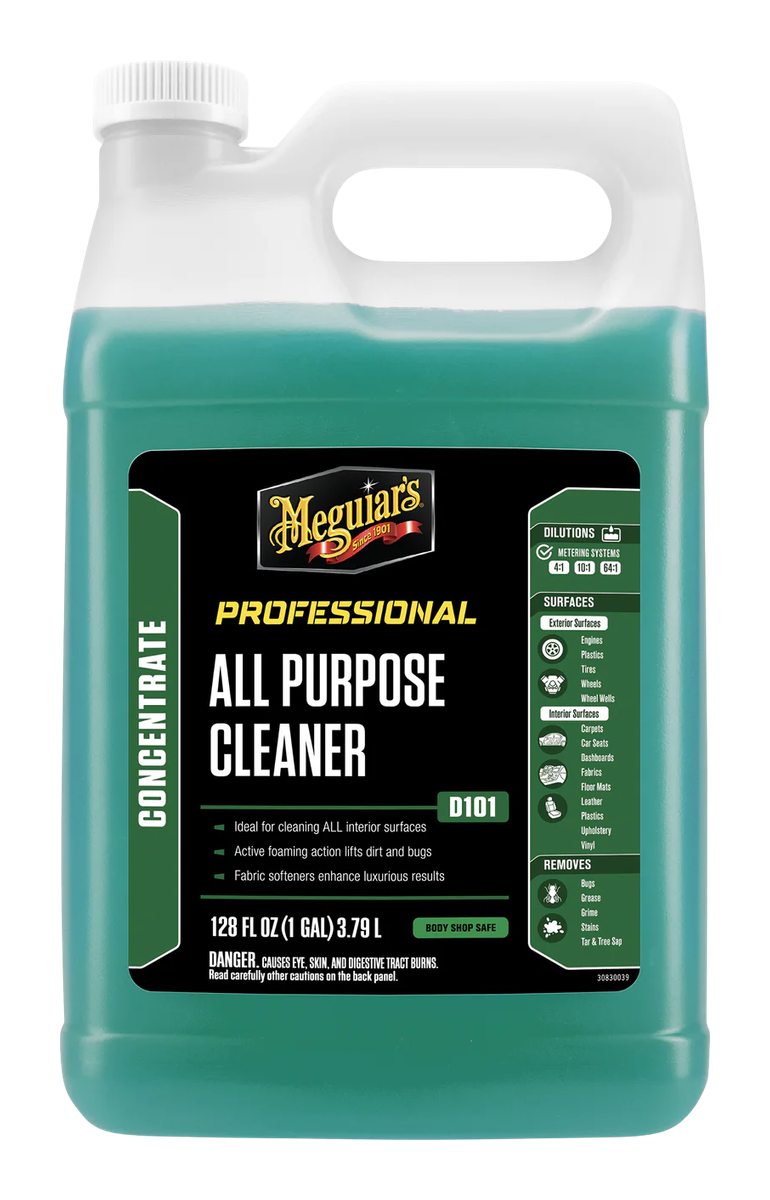
At $0.81/oz for concentrate, the math improves with dilution. A 10:1 mix drops effective cost to roughly $0.08/oz of working solution. Still, Meguiar's D101 offers identical pH 13 chemistry at 80% less per ounce neat with a cleaning power that matches Adam's.
How It Compares
Closest Alternatives
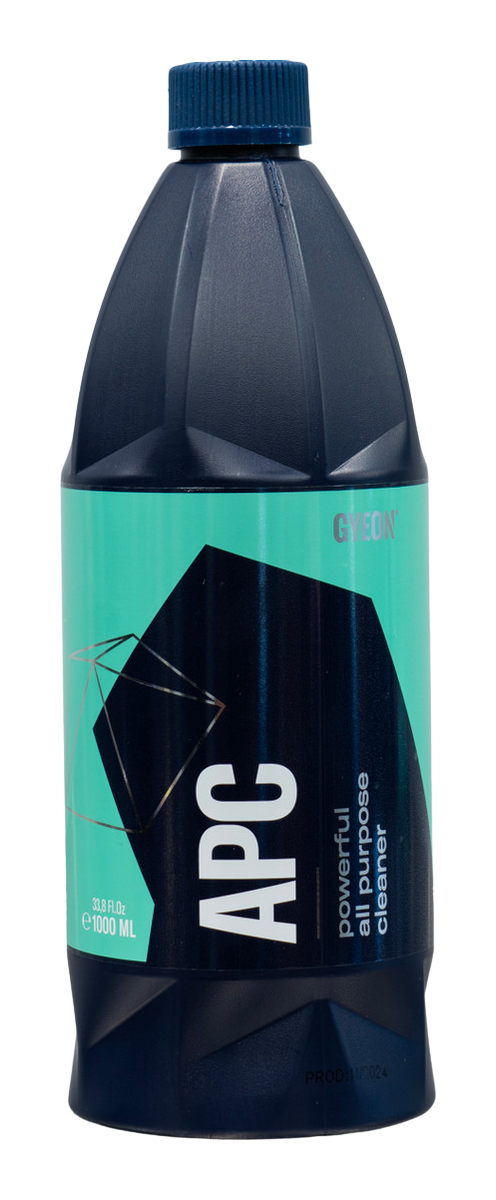
Gyeon Q2M APC matches the pH 13 alkaline approach at $0.59/oz, a meaningful savings if you're detailing multiple vehicles regularly. The formula performs similarly on engine bays and interior plastics, though Gyeon's ingredient disclosure is less complete.
Meguiar's All Purpose Cleaner D101 delivers the same pH 13 cleaning at $0.16/oz, and is a decent alternative for high-volume shops where cost per vehicle matters. Trade-off: "Warning" signal word suggests slightly different surfactant blend.
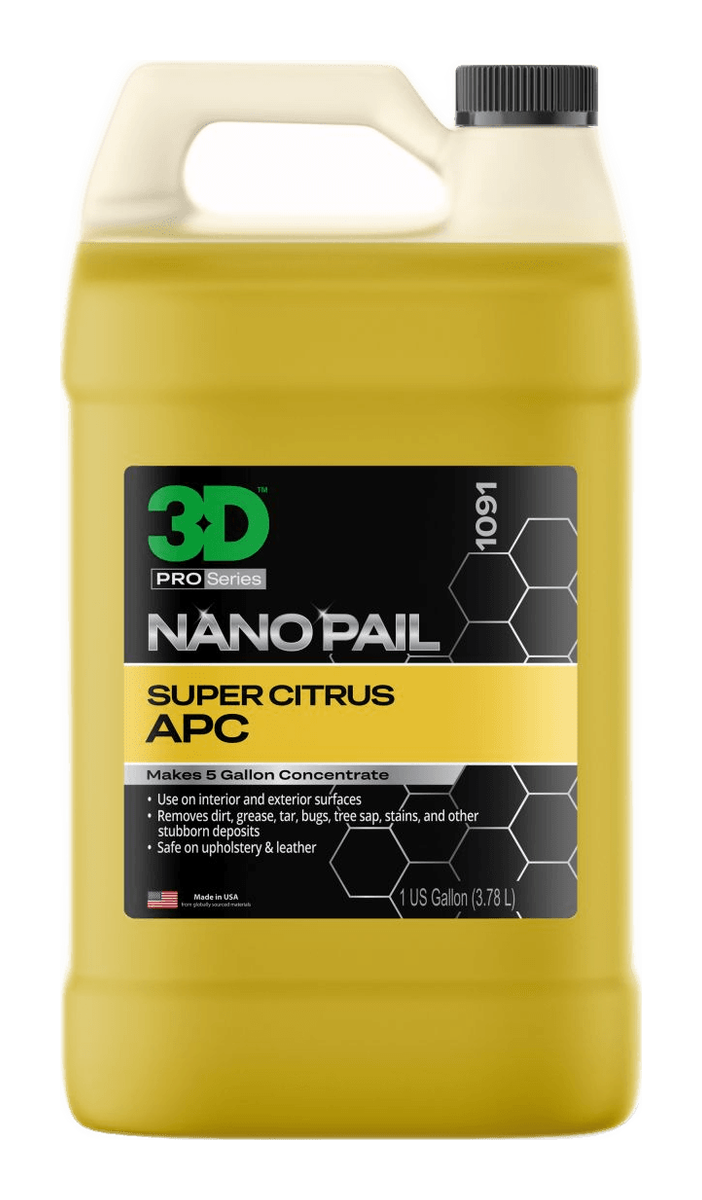
3D Super Citrus APC uses citrus-based solvents at pH 12.5, marginally gentler on trim while still cutting grease effectively. Consider this if you're working on delicate plastics.
Compare These Products


How the Chemistry Works
Sodium hydroxide drives this formula's cleaning power at pH 13. At this alkalinity, the hydroxide ions attack ester bonds in oils and greases through saponification, converting them into water-soluble soaps that rinse clean. The sodium metasilicate provides secondary alkaline cleaning while offering some metal corrosion protection during the process.
The four-surfactant system covers all bases. The ethoxylated alcohol (nonionic) lifts oily soils without leaving residue. The cationic quaternary ammonium compound adds emulsification power and surface conditioning. Disodium cocoamphodipropionate, an amphoteric surfactant, adjusts its behavior based on pH and stabilizes foam. The imidazoline rounds out the blend with additional foam quality.
Two chelating agents—tetrasodium EDTA and trisodium nitrilotriacetate—ensure hard water won't compromise performance. They sequester calcium and magnesium ions that would otherwise interfere with surfactant activity. The 2-(2-butoxyethoxy)ethanol co-solvent extends working time by slowing evaporation, letting the chemistry work longer on stubborn deposits.
What We Like
-
Full ingredient disclosure with CAS numbers — lets you verify compatibility with leather, coatings, or plastics before use, and identify any sensitizers if you have allergies
-
Dual chelating system (EDTA + NTA) — breaks down hard water mineral deposits that cause water spots, so the surfactants can work on the actual grime instead of fighting calcium
-
Multi-surfactant blend at pH 13 — the quaternary ammonium compound adds antimicrobial action for interior work while high alkalinity handles engine bay grease
What to Know
- At pH 13 with a 'Danger' signal word, this is one of the more aggressive APCs on the market. Gloves are recommended, and you'll want to dilute significantly for interior plastics or leather
- Prop 65 warnings flag multiple carcinogens including ethylene oxide, so work in ventilated areas and avoid prolonged skin contact
- Concentrate format offers flexibility—dilute for light interior work, use stronger ratios for engine bays and wheel wells where the high pH earns its keep
Who Should Buy This
Detailers who want a single concentrate covering multiple jobs like engine bays, door jambs, interior plastics will find this pH 13 formula handles heavy soiling at full strength and dilutes down for lighter cleaning. The excellent ingredient transparency helps informed purchasing decisions. However, at $0.81/oz, budget-conscious users could consider Meguiar's D101 at 80% less cost, or Gyeon Q2M APC for 27% savings with identical pH.
Want to see how this stacks up? Compare these 3 all purpose cleaners
Frequently Asked Questions
Is Adam's All Purpose Cleaner safe to use on interior surfaces? Yes, but dilute heavily (10:1 or higher) for interior plastics, leather, and fabric—never use at full strength on delicate materials.
What dilution ratio should I use for Adam's APC? For heavy degreasing on engine bays or wheel wells, 4:1 would probably work well. For interior cleaning or lighter tasks, stretch it to 10:1 or even 20:1. The concentrate format means you control the aggression. Always check the label and test on an inconspicuous area.
How does Adam's APC compare to Meguiar's D101? Both share identical pH levels at 13, but Meguiar's D101 costs 80% less per ounce. Adam's offers excellent ingredient transparency if that matters to you, but D101 delivers the same alkaline cleaning power at a lower price.
Why does alkaline chemistry work for all-purpose cleaning? High-pH formulas break down oils, grease, and organic soils by saponifying fats—essentially turning them into soap that rinses away easily.