3D Orange Degreaser: ChemCX Analysis

Ranked Performance
Pricing
Badges
Quick Answer
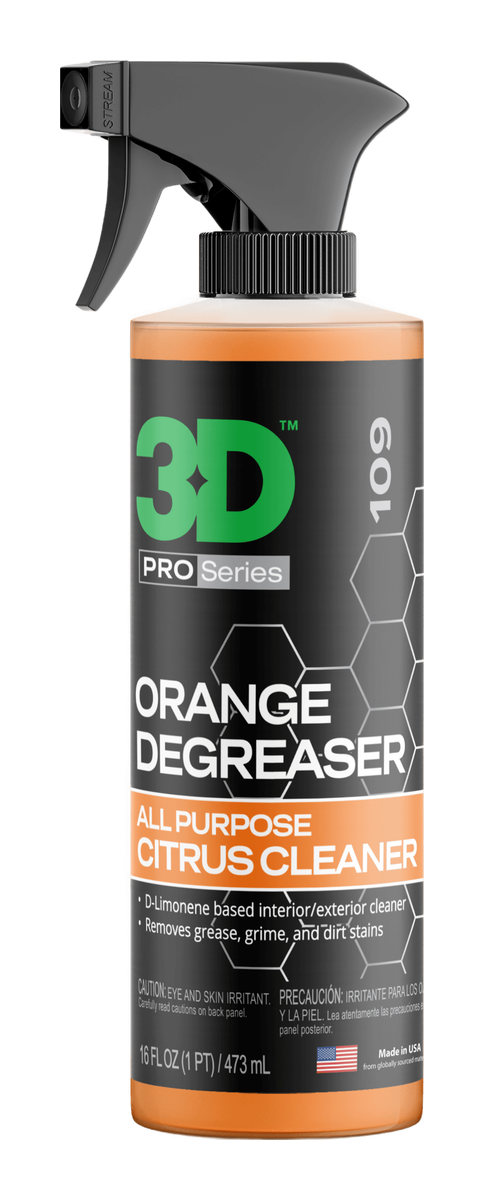
3D Orange Degreaser is a concentrated alkaline APC with a pH of 12, sitting nearly a full point above the category average. Based on ChemCX analysis of 25 all-purpose cleaners, this product has strong degreasing power at competitive pricing at $0.27 per ounce - nearly half the category average.
What It Is
3D Orange Degreaser is a dilutable all-purpose cleaner from 3D that uses an alkaline chemistry approach built around disodium metasilicate. The "orange" in the name refers to the citrus fragrance rather than any citrus-based cleaning agents—this is a straightforward alkaline degreaser dressed up with a pleasant scent. As a concentrate, it offers flexibility for different cleaning tasks, from light interior work at higher dilutions to heavy engine bay degreasing at stronger ratios.
Specifications
| Attribute | Value |
|---|---|
| pH | 12 |
| Dilution Ratio | dilutable |
| Key Actives | Disodium Metasilicate |
| Signal Word | Danger |
| Transparency | Excellent |
Category Context
| Metric | This Product | Category Average | Category Range |
|---|---|---|---|
| pH | 12 | 11.1 | 7 - 13.6 |
| Price/oz | $0.27 | $0.49 | $0.13 - $1.22 |
Where It Lands
A pH of 12 places 3D Orange Degreaser firmly in the "heavy-duty" territory of APCs. For reference, each whole number on the pH scale represents a tenfold difference in alkalinity—so this product is roughly 8 times more alkaline than the category average of 11.1. That translates to meaningfully stronger grease-cutting ability straight from the bottle.
The pricing tells an equally compelling story. At $0.27 per ounce for a concentrate, you're getting excellent value. When you factor in dilution ratios for typical cleaning tasks, your actual cost per use drops substantially below that of RTU products in the same price range.
How It Compares
Closest Alternatives
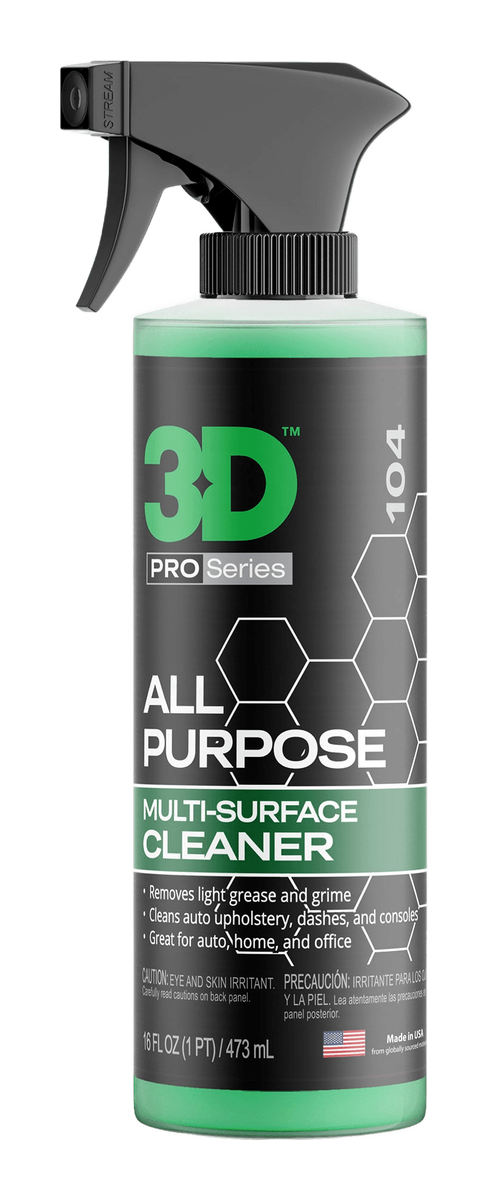
3D All Purpose Cleaner shares the same pH of 12 and comes from the same manufacturer. The key difference is the fragrance profile and potentially the surfactant package. If you're already in the 3D ecosystem and want variety, this is worth considering, but without seeing the full ingredients like, the cleaning chemistry is essentially identical.
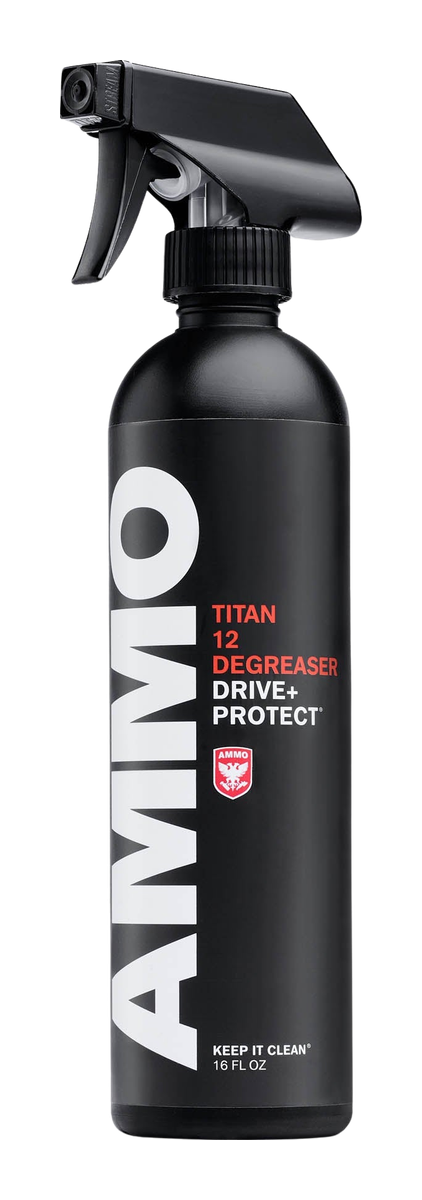
AMMO NYC Titan 12 Degreaser runs at pH 12.25—marginally more aggressive but costs 74% more per ounce. The AMMO premium buys you a different surfactant blend and the brand's enthusiast cachet, but the fundamental degreasing capability is comparable.
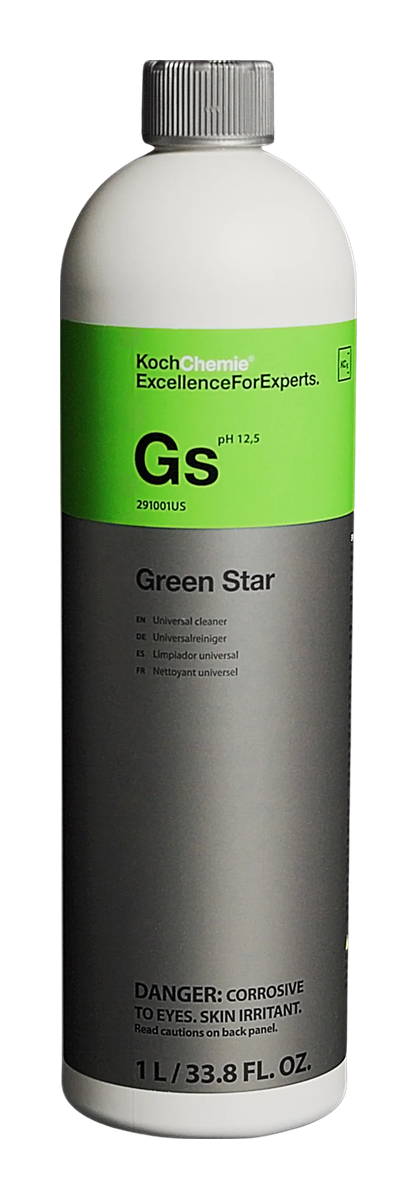
Koch-Chemie Green Star sits at pH 12.5 and costs 30% more. That half-point pH increase represents roughly triple the alkalinity of 3D Orange Degreaser. If you're tackling stubborn industrial contamination, Green Star's extra chemical muscle might justify the price difference. For typical automotive degreasing, the 3D product handles the job at better value.
Compare These Products

How the Chemistry Works
The cleaning power here comes from disodium metasilicate, an alkaline builder that does double duty. It raises the pH to break down organic soils—primarily oils and greases—while also providing some corrosion protection for metal surfaces during the cleaning process. This is a smarter choice than straight sodium hydroxide (caustic soda) for an APC because it's slightly less aggressive while still delivering serious cleaning capability.
The single surfactant in the formula—an ethoxylated alcohol in the C9-11 range—handles the mechanical side of cleaning. It reduces surface tension so the alkaline solution can penetrate into contamination rather than beading up on oily surfaces. This surfactant type works well in hard water and rinses clean without leaving residue.
EDTA, the chelating agent, addresses hard water interference. It binds calcium and magnesium ions that would otherwise reduce cleaning efficiency and potentially leave mineral deposits. If you're working with hard water (and most tap water qualifies), this ingredient quietly makes everything else work better.
What We Like
- Value-to-power ratio: At $0.27 per ounce for a pH 12 concentrate, the cost-per-cleaning is excellent compared to similarly capable products.
- Versatile dilution options: A concentrate format lets you adjust strength based on the task—strong for engine bays, diluted for interior plastics.
What to Know
- The "Danger" signal word: pH 12 can cause skin irritation and eye damage. Gloves and eye protection are recommended, especially when using at stronger dilutions.
- Watch contact time on aluminum: While disodium metasilicate offers some corrosion protection, prolonged contact on bare aluminum or anodized surfaces can still cause damage. Rinse promptly.
Who Should Buy This
3D Orange Degreaser fits detailers and enthusiasts who want a capable, versatile degreaser without paying boutique prices. If you handle a variety of cleaning tasks—engine bays, wheel wells, interior door jambs, shop equipment and want one concentrate to dilute for all of them, this delivers. Budget-conscious professionals running through significant product volume will appreciate the economics. Skip it if you specifically need a neutral-pH cleaner for sensitive surfaces or prefer RTU convenience over dilution flexibility.
Want to see how this stacks up? Compare these 3 all purpose cleaners
Frequently Asked Questions
What dilution ratio should I use for interior cleaning? For interior plastics and vinyl, dilute heavily—10:1 or even 20:1. The full-strength pH 12 is overkill for interior surfaces and risks damaging trim. At 10:1, you're still getting effective cleaning with a much wider safety margin.
Can I use this on clear coat? At proper dilutions (10:1 or weaker), yes—for decontamination purposes followed by immediate rinsing. Never let any alkaline product sit on paint. The pH can degrade wax, sealants, and eventually the clear coat itself with prolonged contact.
How does this compare to citrus-based degreasers? True citrus degreasers use d-limonene as the active cleaning agent. 3D Orange Degreaser uses alkaline chemistry with citrus fragrance added. The cleaning mechanisms are completely different—alkaline products excel at saponifying greases, while d-limonene dissolves them as a solvent. Both work; this one just smells like oranges.
Is the "Danger" rating concerning? Any product with pH 12 or higher requires a "Danger" signal word per GHS standards. This isn't unusual for effective degreasers. Wear appropriate PPE, avoid eye contact, and keep off skin. The hazard is manageable with basic precautions.