3D All Purpose Cleaner: ChemCX Analysis

Ranked Performance
Pricing
Badges
Quick Answer
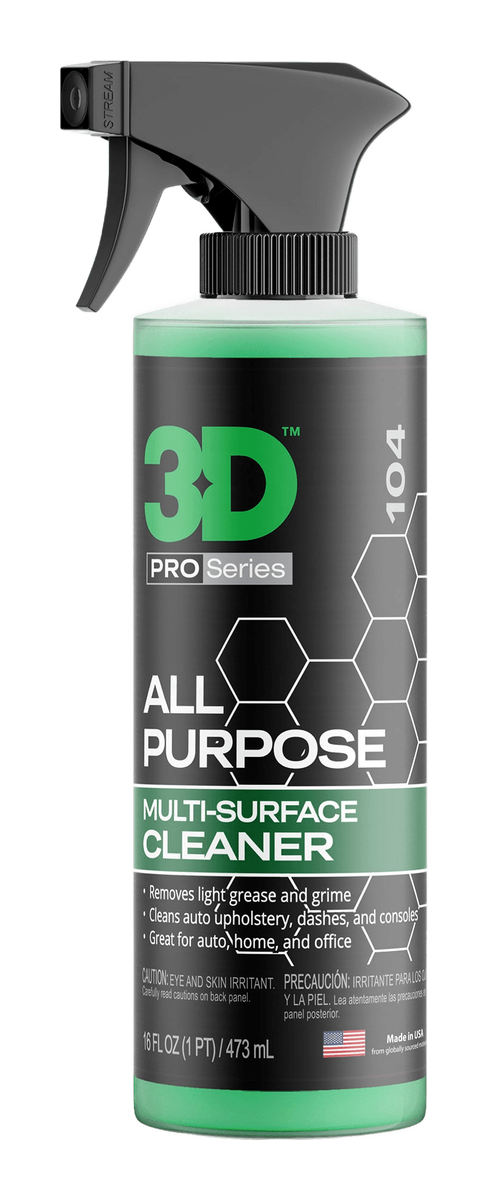
3D All Purpose Cleaner is a ready-to-use alkaline cleaner with a pH of 12, placing it nearly a full point above the category average. This is not a gentle cleaner. Based on ChemCX analysis of 25 all-purpose cleaners, this product delivers strong degreasing capability at a price point 45% below the category average.
What It Is
3D brings a straightforward approach to the all-purpose cleaner category. Built around sodium hydroxide and sodium metasilicate, it's designed for heavy-duty exterior cleaning tasks where cutting through grease and grime matters more than surface delicacy. The moderate transparency rating means 3D discloses enough to understand the chemistry without revealing exact concentrations. 3D does include links to ingredients on their website, but they weren't working at time of writing. We'll try again and update.
Specifications
| Attribute | Value |
|---|---|
| pH | 12 |
| Dilution Ratio | ready_to_use |
| Key Actives | Sodium Hydroxide |
| Signal Word | Danger |
| Transparency | Moderate |
Category Context
| Metric | This Product | Category Average | Category Range |
|---|---|---|---|
| pH | 12 | 11.1 | 7 - 13.6 |
| Price/oz | $0.27 | $0.49 | $0.13 - $1.22 |
Where It Lands
A pH of 12 might not sound dramatically different from the 11.1 average, but pH is logarithmic. This product is roughly 8 times more alkaline than the category average. That's a meaningful jump in cleaning aggression. Within the category range of 7 to 13.6, it sits in the upper third—strong enough for serious degreasing, but not extreme.
The $0.27 per ounce price makes this one of the more affordable options in the category. You're paying 45% less than average while getting above-average alkalinity. The tradeoff is clear: you're buying cleaning power and value, not versatility or surface-safe formulation.
How It Compares
Closest Alternatives
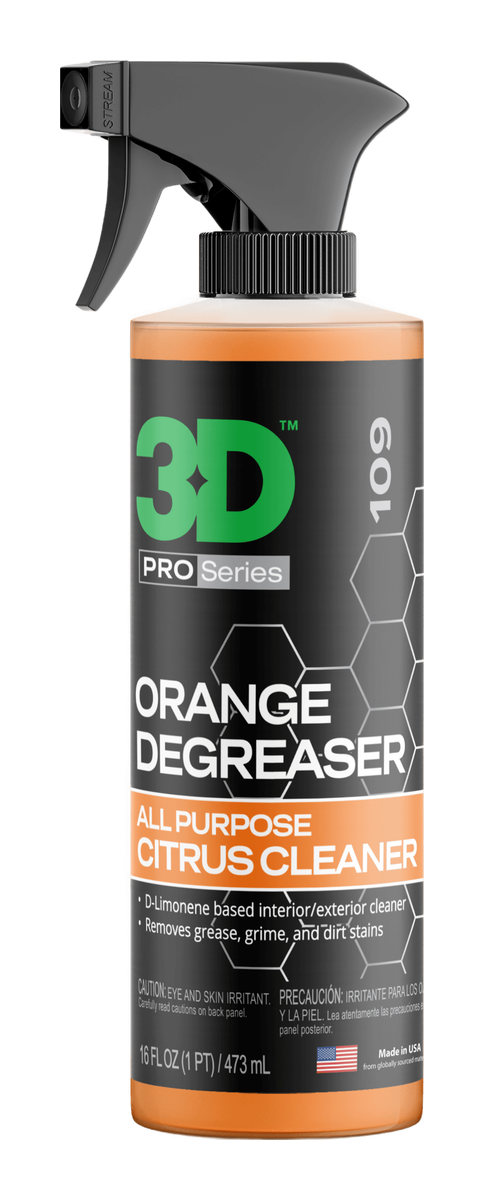
3D Orange Degreaser shares the same pH of 12 but adds d-limonene for solvent-based cleaning action. If you're dealing with adhesive residue or tar alongside general grime, the Orange Degreaser offers more chemical diversity at similar cost.
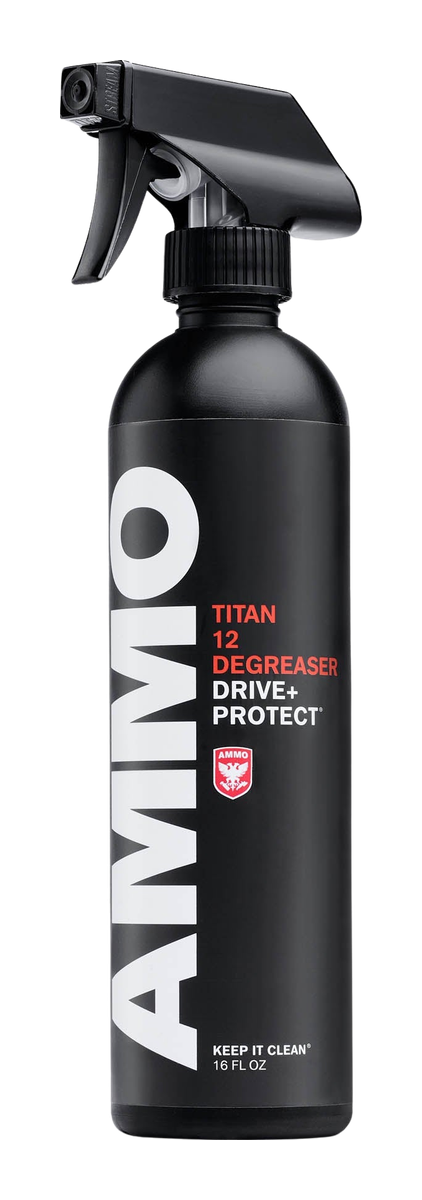
AMMO NYC Titan 12 Degreaser operates at pH 12.25—functionally identical alkalinity. At 74% higher cost, you're paying for the AMMO brand positioning and formulation philosophy rather than measurably different cleaning power.
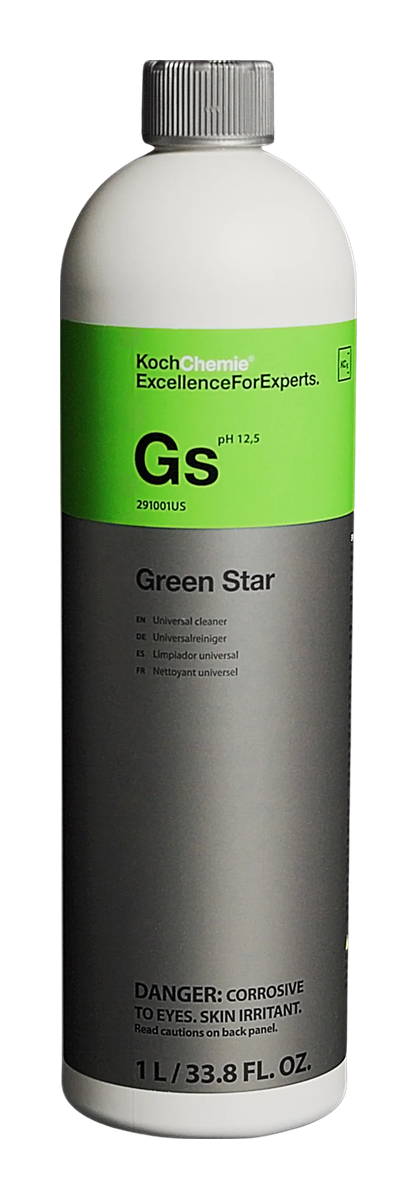
Koch-Chemie Green Star bumps the pH to 12.5 with a 30% price premium. That half-point increase represents roughly triple the alkalinity, making it better suited for extremely soiled surfaces. For professional detailers processing high-volume work, the extra strength may justify the cost.
Compare These Products

How the Chemistry Works
The formula's backbone is sodium hydroxide, a strong alkali that attacks grease and organic matter by breaking down the fatty acid bonds that hold them together. This saponification process essentially turns oils into water-soluble soap that rinses away. Sodium metasilicate works alongside it as an alkaline builder, boosting overall cleaning power while providing some corrosion protection for metal surfaces.
The single surfactant system uses C9-11 ethoxylated alcohol, a nonionic surfactant that reduces surface tension so the alkaline solution can penetrate and lift dirt. One surfactant keeps costs down and reduces formula complexity. It won't produce the rich foam some users prefer, but foam is often more psychological than functional anyway.
EDTA serves as the chelating agent, binding calcium and magnesium ions in hard water. This prevents mineral deposits from interfering with the cleaning process and reduces water spotting on dried surfaces. If you're working with hard water, this addition matters significantly for final results.
What We Like
- Aggressive cleaning at budget pricing — You're getting pH 12 alkalinity for nearly half the category average cost, making this practical for high-volume use where you'd burn through expensive products quickly.
- EDTA chelation — Hard water performance is often overlooked in APC selection; this formulation addresses it directly.
- RTU convenience — No dilution math, no mixing errors, no wondering if you've weakened a concentrate too much for the job at hand.
What to Know
- The "Danger" signal word exists for a reason — At pH 12, this will irritate skin on contact and can cause eye damage. Chemical-resistant gloves and safety glasses aren't optional.
- Surface limitations apply — Sodium hydroxide can damage aluminum, certain clear coats, and interior plastics with prolonged contact. Test in an inconspicuous area first, and don't let it dwell beyond necessary.
- RTU format limits flexibility — You can't dilute down for lighter tasks or concentrate up for heavy ones. This is what it is, every time.
Who Should Buy This
This product makes sense for those who need reliable degreasing at volume - engine bays, wheel wells, work truck beds, shop floors. The 3D website claims it's safe for virtually all surfaces, including leather, vinyl, rubber, plastic, cloth seats and door panels, but we recommend caution. This is strong stuff.
It's not the right choice for any surface where you'd want a pH-neutral option. Know what you're buying: a blunt instrument that does one thing well.
Want to see how this stacks up? Compare these 3 all purpose cleaners
Frequently Asked Questions
Can I use this on interior surfaces? Not recommended. The pH 12 alkalinity can damage plastics, vinyl, and leather over time. We generally recommend a pH-neutral or mildly alkaline APC (pH 8-10) for interior work.
Is it safe for painted surfaces? Brief contact during exterior cleaning is fine, but don't let it dwell. Rinse thoroughly and don't use it as a pre-wash that sits for extended periods on paint.
Why does it have a "Danger" signal word? The sodium hydroxide concentration at pH 12 can cause chemical burns and serious eye damage. This classification is standard for alkaline cleaners in this range.
How does it compare to concentrates at similar prices? Many concentrates in the $0.13-0.20/oz range dilute down to effective pH levels of 10-11. This RTU product delivers stronger working strength without mixing. Most high-volume detailers like dilutable products for the cost-savings, but we think the ready-to-use convenience is worth it at the cost, especially for a weekend warrior.
Does the single surfactant affect performance? For degreasing tasks, no. Multiple surfactants typically improve foaming and versatility across soil types. For straight grease-cutting, the simple formula performs.