303 Products Wheel & Tire Cleaner: ChemCX Analysis
Ranked Performance
Pricing
Badges
Quick Answer
At pH 9.5, this wheel cleaner sits in a middle ground between the stronger alkaline formulas (pH 12+) and neutral options. The trisodium nitrilotriacetate chelating agent targets brake dust without the corrosion risk of acid-based cleaners. At $0.87/oz, it's priced above category average ($0.62/oz), positioning it for effective cleaning with reduced wheel damage concerns.
What It Is
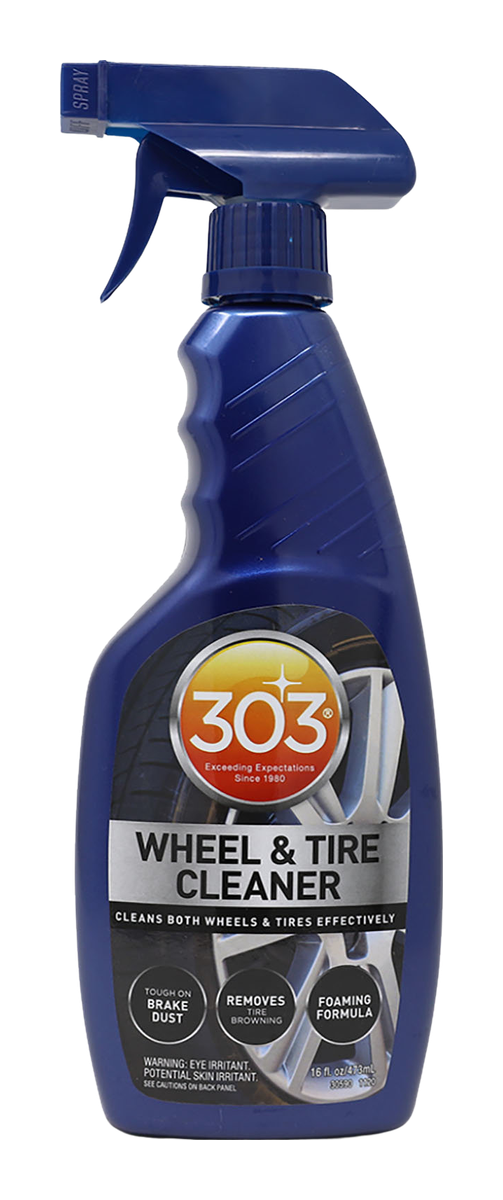
303 Products Wheel & Tire Cleaner uses mild alkaline chemistry at pH 9.5 to break down brake dust and road grime. This ready-to-use formula requires no mixing or dilution, meaning you spray directly onto wheels without preparation. The alkaline approach works by saponifying oily residues and loosening particulate contamination, though at this pH level, it sits on the gentler end of alkaline wheel cleaners.
Specifications
| Attribute | Value |
|---|---|
| pH | 9.5 |
| Dilution Ratio | ready_to_use |
| Key Actives | Trisodium Nitrilotriacetate |
| Signal Word | Warning |
| Transparency | moderate |
Category Context
| Metric | This Product | Category Average | Category Range |
|---|---|---|---|
| pH | 9.5 | 8.6 | 3.5 - 15 |
| Price/oz | $0.87 | $0.62 | $0.12 - $1.70 |
Where It Lands
This cleaner sits in the mild alkaline range, about one full pH point above the category average of 8.6. This makes it perfect for regular maintenance rather than heavy-duty degreasing. The alkalinity provides enough cleaning power for typical road grime and light brake dust, but won't cut through heavily baked-on contamination the way a pH 11+ product would. Safe for coated and polished wheels with normal use.
At $0.87 per ounce, this lands well above the category average of $0.62. For similar mild alkaline chemistry, P&S Undressed Tire Prep offers comparable pH 9 cleaning at roughly 86% less cost. Users needing stronger degreasing at a lower price could consider 3D GLW Series Wheel & Tire Cleaner, which runs pH 11 at about 74% less.
How It Compares
Closest Alternatives
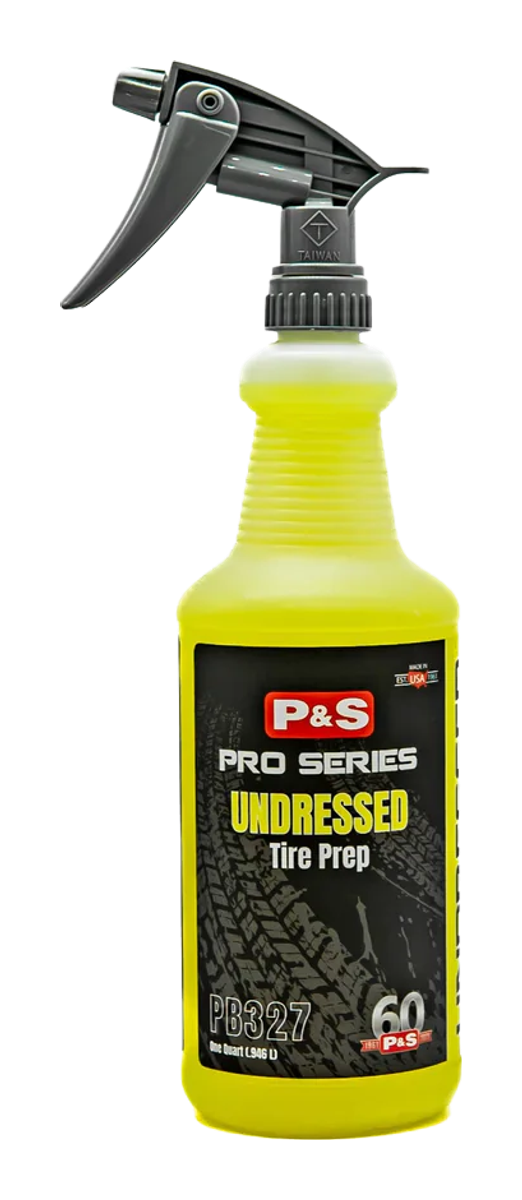
P&S Undressed Tire Prep offers similar mild alkaline cleaning at pH 9 but costs 86% less per ounce. The trade-off: it's formulated specifically for tire prep before dressing application, not general wheel cleaning, so it lacks the versatility of the 303 product.
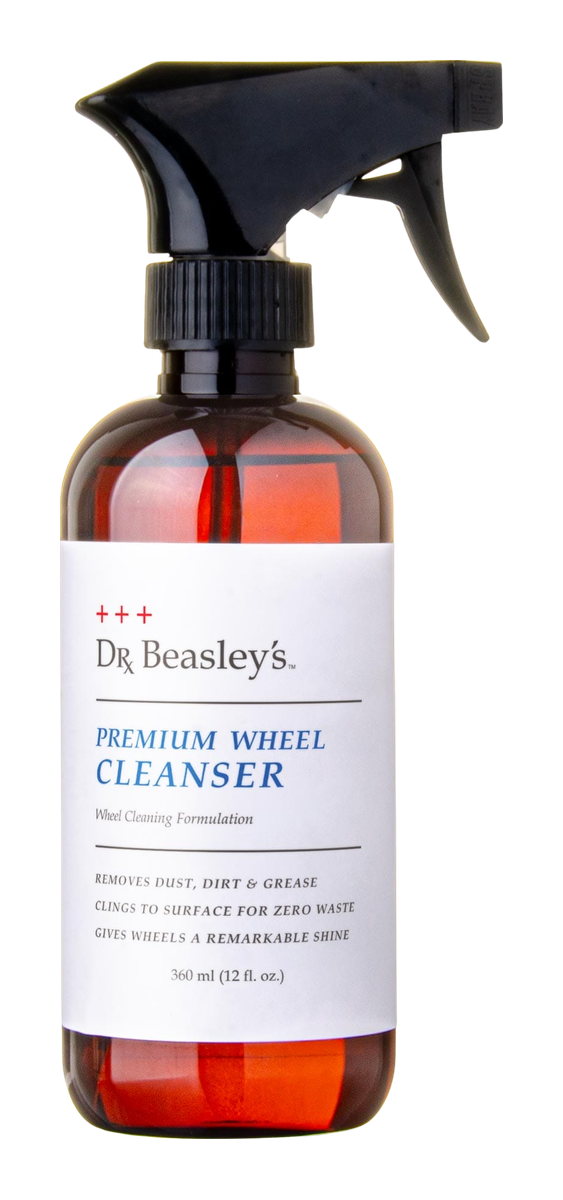
Dr. Beasley's Premium Wheel Cleanser takes a surfactant-based approach rather than relying on alkalinity for cleaning power. At pH 9, it's gentler on sensitive wheel finishes like anodized or powder-coated surfaces where even mild alkaline cleaners might cause issues over time.
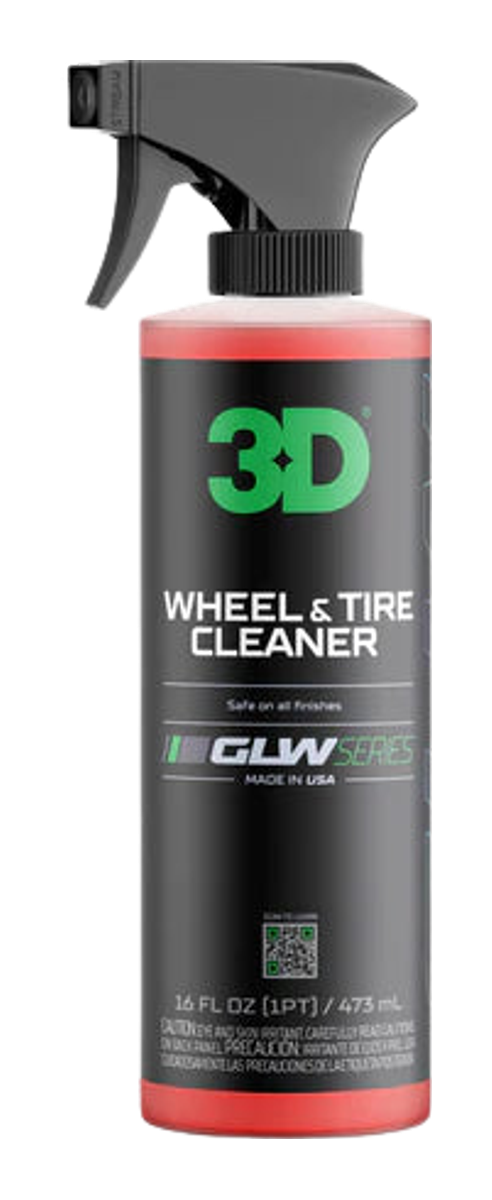
3D GLW Series Wheel & Tire Cleaner bumps alkalinity to pH 11 for heavier brake dust removal while costing 74% less. The stronger formula handles neglected wheels better but requires more attention on delicate finishes.
Compare These Products


How the Chemistry Works
Trisodium Nitrilotriacetate (NTA) serves as the key active ingredient, functioning as a chelating agent that binds to metal ions. When brake dust lands on wheels, it contains iron and other metal particles embedded in oily residue. NTA molecules wrap around these metal ions, pulling them away from the wheel surface and suspending them in solution for easy rinsing. This chelation mechanism is particularly effective against ferrous brake dust without requiring the acidic pH that some competing formulas use.
The C9-11 Alcohols Ethoxylated surfactant handles the organic contamination, breaking down road film, tire dressing overspray, and greasy deposits. As a nonionic surfactant, it works across a broad pH range and rinses cleanly without leaving residue. The single disclosed surfactant suggests a streamlined formula, though additional surfactants may be present below hazard reporting thresholds.
On the milder end of alkaline cleaners, the combination of chelation and surfactant action targets both metallic and organic contamination without aggressive acids or high alkalinity.
What We Like
- pH 9.5 alkaline formula, mild enough to use on all wheel types including polished aluminum and coated finishes without the corrosion risk of stronger alkaline or acid-based cleaners
- Foaming action lifts contaminants mechanically, reducing scrubbing effort on brake dust and road film while the product clings to vertical wheel surfaces longer
- Ready-to-use format with no mixing required, practical for quick maintenance washes where you want to spray and agitate without dilution math
What to Know
- At pH 9.5, this sits in the mild alkaline range. Good for regular maintenance cleaning, but heavily baked-on brake dust may need a dedicated wheel decontamination product or more elbow grease with a stiff brush.
- RTU format means grab-and-spray convenience with no mixing. The tradeoff at $0.87/oz is higher cost per use than concentrates, so this works best for spot cleaning rather than full fleet work.
- Despite the Warning signal word, the moderate pH makes this safer on polished and clear-coated wheels than stronger alkaline cleaners. Gloves are still a good idea for extended use.
Who Should Buy This
This RTU wheel cleaner fits users who maintain relatively clean wheels on a regular schedule and want zero hassle. The formula handles road grime, light brake dust, and tire browning without requiring dilution calculations. At $0.87/oz, it sits at a premium price point. Users facing heavy brake dust accumulation from performance brakes could consider 3D GLW Series Wheel & Tire Cleaner, which offers stronger cleaning at 74% less cost.
Want to see how this stacks up? Compare these 3 wheel cleaners
Frequently Asked Questions
Is 303 Wheel & Tire Cleaner safe for ceramic coated wheels? At pH 9.5, this falls in the mildly alkaline range and poses minimal risk to ceramic coatings on wheels. The "Warning" signal word relates to eye and skin contact precautions, not surface damage potential. Standard rinsing practices apply.
How does 303 compare to 3D GLW Series Wheel & Tire Cleaner? 3D GLW runs significantly more alkaline at pH 11, making it more aggressive on heavy contamination but also higher risk on coated surfaces. 303's milder pH 9.5 trades some cleaning power for broader surface compatibility. 3D GLW costs 74% less per ounce, which factors into the decision.
Why does 303 use alkaline chemistry for wheel cleaning? Alkaline formulas break down organic contamination like road grime and tire sling through saponification, essentially turning greasy residues into water-soluble compounds. At pH 9.5, 303 provides enough alkalinity to dissolve these deposits without the corrosion risks of stronger cleaners.