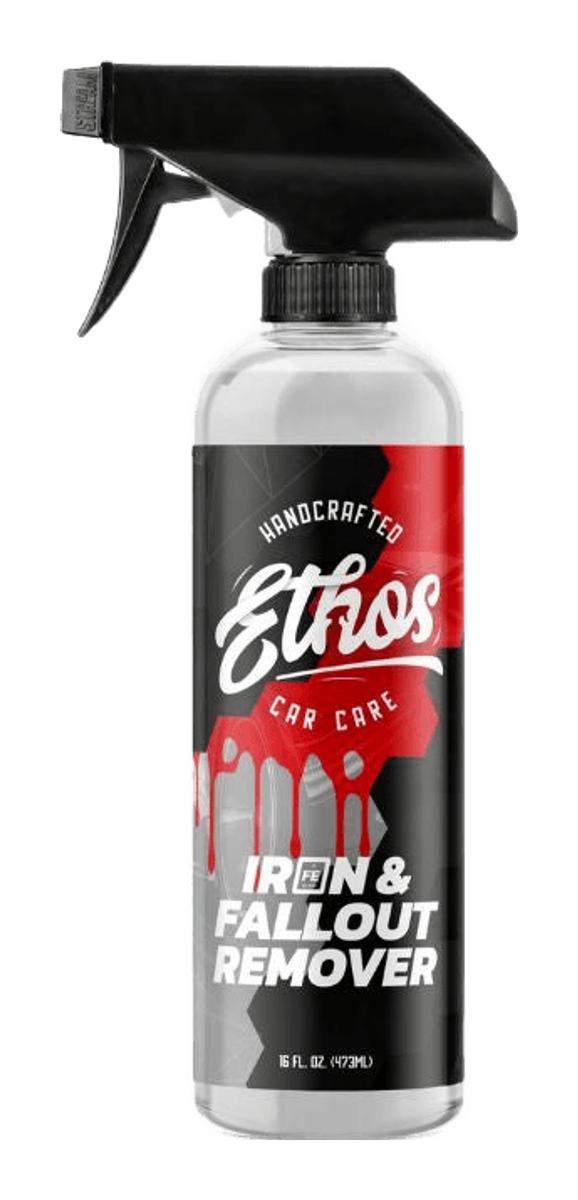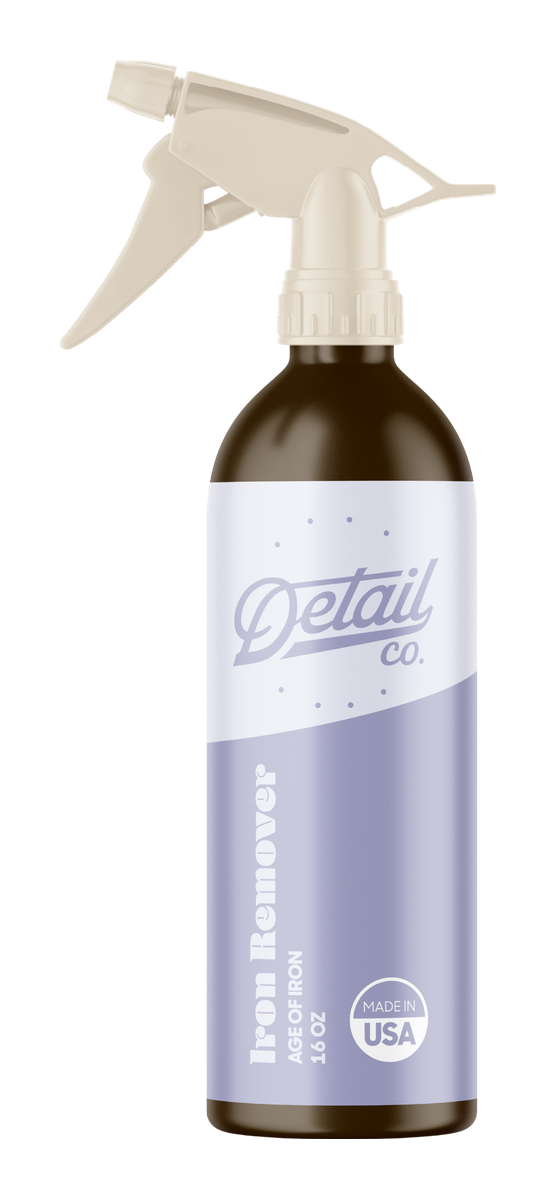
$0.73BEST $/OZ
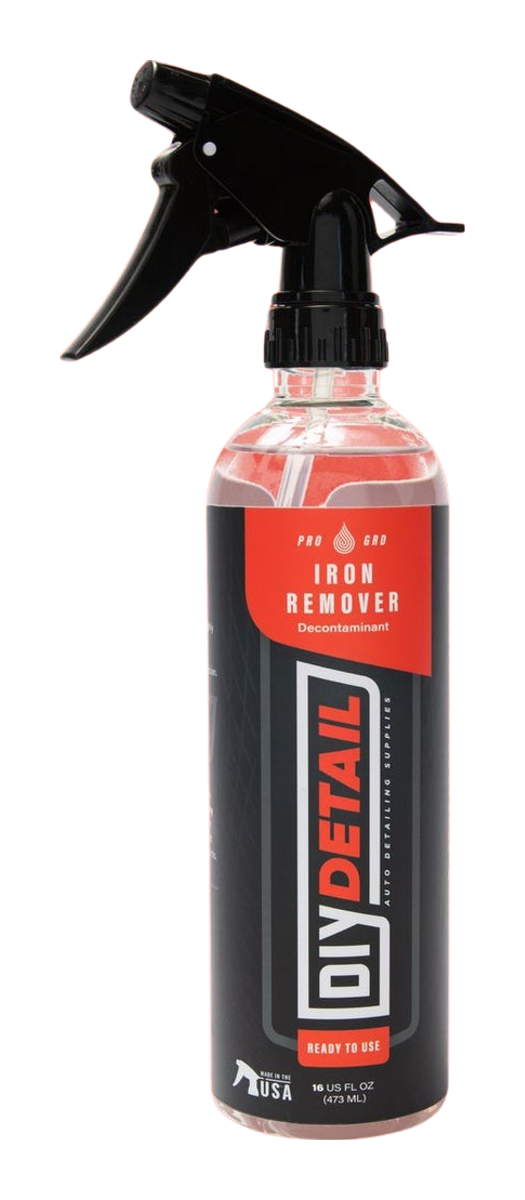
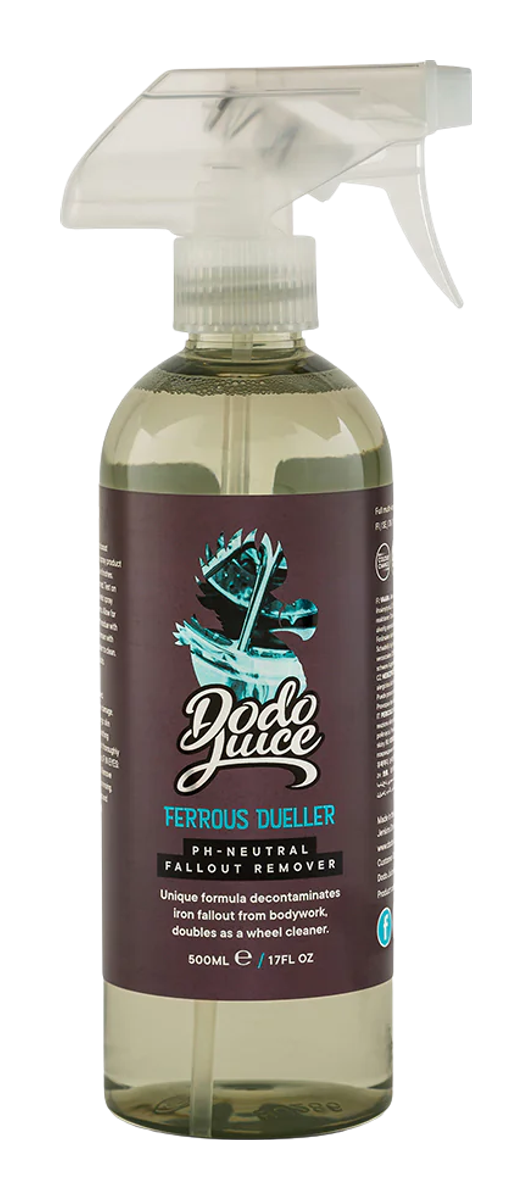
A pH-neutral thioglycolate-based iron remover formulated with enhanced lubrication for safe use with wheel brushes and clay towels.
Key Chemistry
pH
6.5–7.5
Active
Mercaptopropionic acid
Active strength
N/D
Expert Analysis
Uses 3-mercaptopropionic acid as the active iron-dissolving agent while maintaining a neutral pH of 7.0 to minimize surface reactivity. The formula incorporates glycol ether surfactants to provide enhanced lubrication, allowing for safe mechanical agitation with brushes or clay towels during the iron removal process.
Key Differentiators
- •Enhanced lubrication specifically designed for mechanical agitation with brushes and clay towels
- •pH-neutral formulation reduces risk of surface etching compared to acidic iron removers
Ingredients
Glycerine
0.2–1%
CAS: 56-81-5Ingredient
Fragrance
0.075–0.2%
CAS: N/AFragrance
Preservative
0.001–0.05%
CAS: N/APreservative
Water
55–70%
CAS: 7732-18-5Solvent
Trade Secret
N/D
CAS: Trade SecretUndisclosed
Safety Profile
Signal Word
WarningEye Hazard
H318 - Causes serious eye damageSkin Hazard
H316 - Causes mild skin irritationCorrosive to Metals
NoFlammable
No