Griot's Garage Wheel Cleaner: ChemCX Analysis
Ranked Performance
Pricing
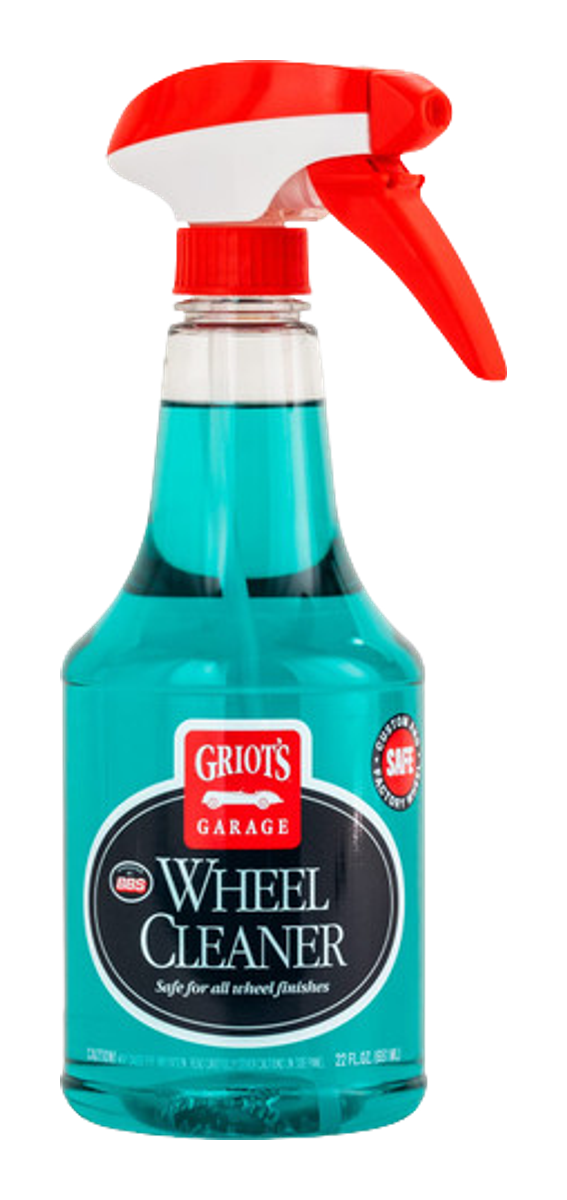
Griot's Garage Wheel Cleaner is a pH-neutral spray that loosens brake dust and road grime without any surface restrictions. You can use it on clear-coated, polished, anodized, or chrome wheels without worrying about etching or staining, which is the real advantage. Where acid-based cleaners work faster but limit what surfaces you can safely touch, this one trades some raw cutting power for the ability to go on anything.
Alkylbenzene sulfonic acid does the heavy lifting. It's an anionic surfactant that cuts through the oily binder in brake dust, breaking the bond between the grime and the wheel surface so it rinses away instead of smearing around. The formula is designed to cling and stay wet during dwell time, giving the surfactants longer contact to penetrate layered contamination. There's no acid or strong alkali doing the work here, just surfactant chemistry doing what it does well. That keeps the formula simple and safe, though it means heavy buildup from neglected wheels will need agitation or a second pass.
Specifications
| Attribute | Value |
|---|---|
| pH | 7.75 |
| Dilution Ratio | ready_to_use |
| Key Actives | Alkylbenzene Sulfonic Acid |
| Signal Word | None |
| Transparency | excellent |
| Biodegradable | Not disclosed |
Category Context
| Metric | This Product | Category Average | Category Range |
|---|---|---|---|
| pH | 7.75 | 7.8 | 1 - 15 |
| Price/oz | $0.27 | $0.64 | $0.12 - $1.70 |
Where It Lands
Griot's Garage Wheel Cleaner sits squarely in the middle of the category: a surfactant-only formula that relies on dwell time and mechanical agitation rather than chemical attack. That neutral positioning means zero risk to any wheel finish, but it also means this product won't dissolve baked-on brake dust the way an acid or alkaline cleaner would. It's a maintenance cleaner, not a correction tool.
For weekly or biweekly washes on wheels that aren't heavily neglected, the surfactant approach is a good call. It undercuts the category average price by 58% and costs roughly a third less than the closest comparable neutral option, Garage Therapy /ONE: Wheel Shampoo V2. That price gap matters when you're spraying liberally every wash. Reach for something stronger if brake dust has been building for months.
How It Compares
Closest Alternatives
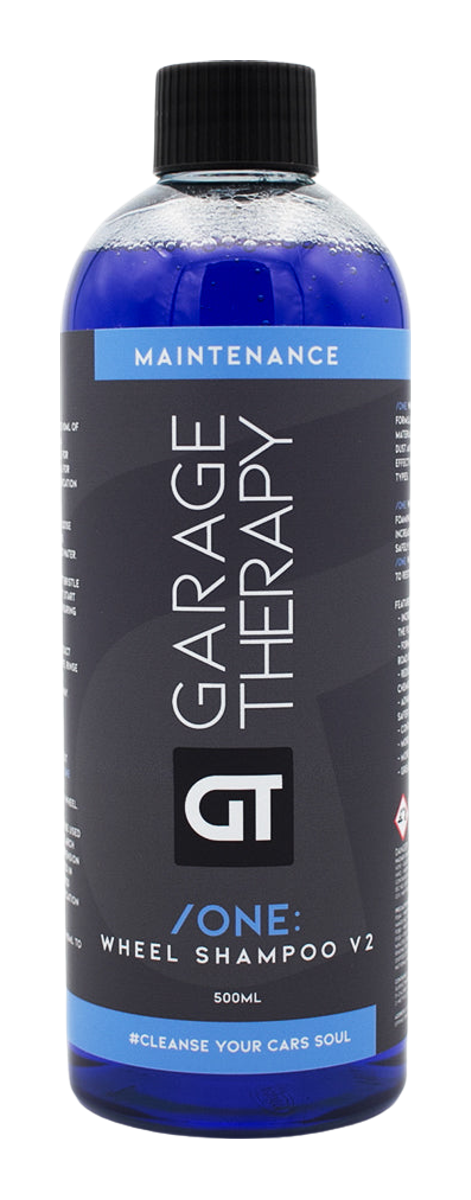
Garage Therapy /ONE: Wheel Shampoo V2 runs nearly the same neutral pH and relies on surfactant chemistry to lift contamination rather than dissolve it. The closest formulation match in the category, though it costs 44% more per ounce.
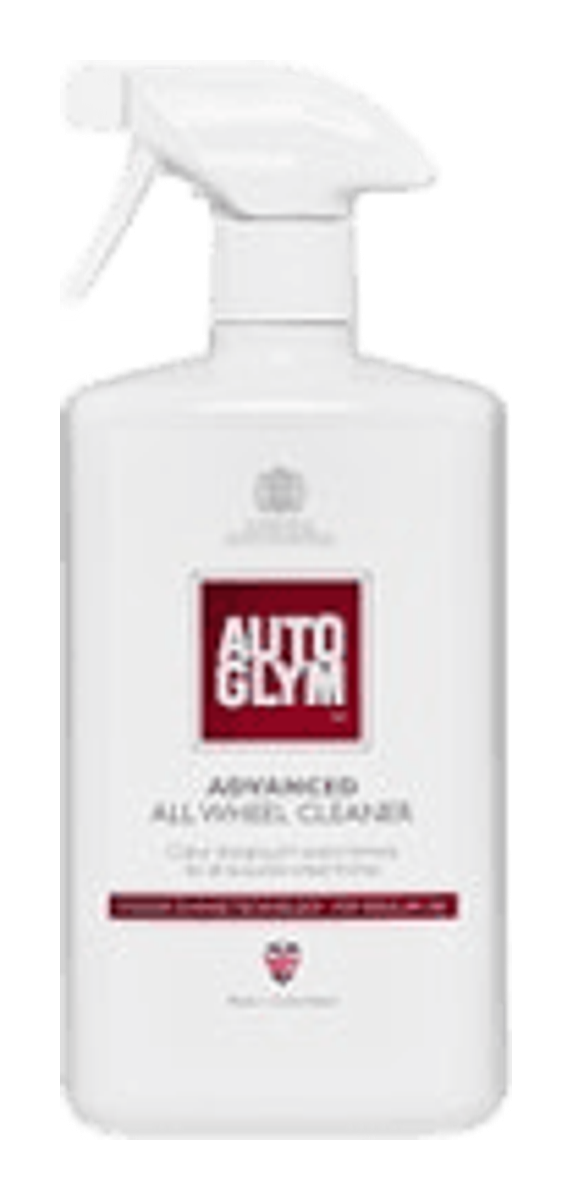
Autoglym Advanced All Wheel Cleaner adds thioglycolate, a reactive iron-dissolving agent, to a similarly mild pH base. That dual mechanism breaks down ferrous brake dust on contact instead of depending solely on agitation. A fundamentally different approach to the same problem.
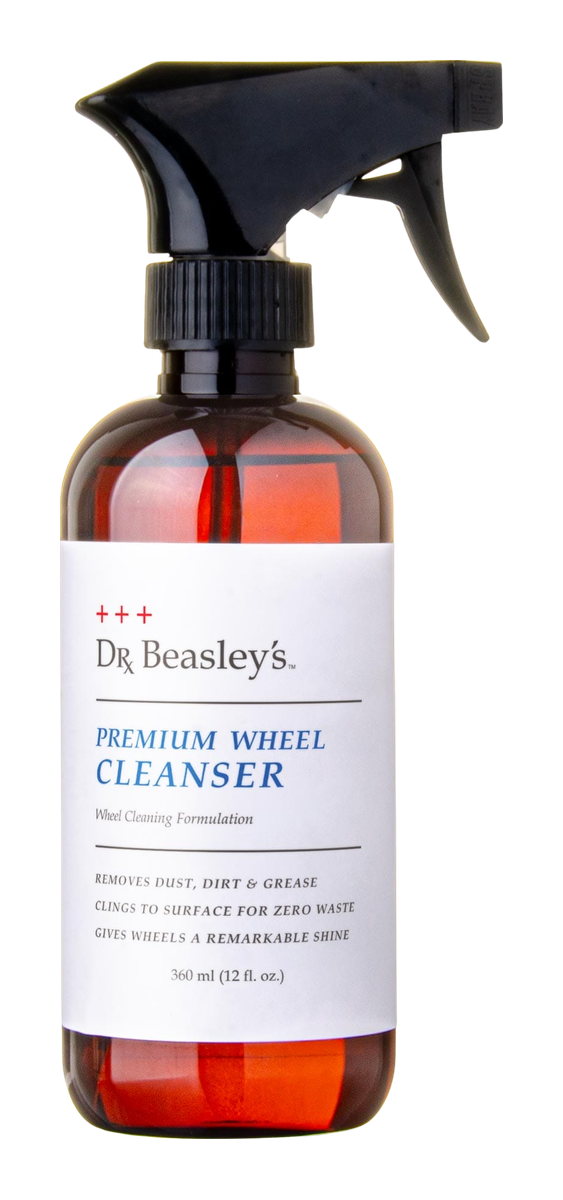
Dr. Beasley's Premium Wheel Cleanser steps up to pH 9, giving its surfactant package a mild alkaline boost that cuts heavier grime with less agitation. The trade-off is a narrower safety margin on sensitive finishes and a higher price point.
Compare These Products

How the Chemistry Works
Potassium hydroxide reacts with the alkylbenzene sulfonic acid in the bottle to form potassium alkylbenzene sulfonate, the actual cleaning surfactant doing most of the heavy lifting. That in-situ neutralization is a deliberate formulation choice: shipping the acid form and the base separately (until they meet in the final blend) gives the formulator tighter control over the finished pH. The sulfonate handles the primary job of wetting brake dust particles and breaking their adhesion to the wheel surface, while two nonionic co-surfactants, C6-12 and C10-16 alcohols ethoxylated propoxylated, fill different roles. The shorter-chain variant improves wetting speed so the spray sheet spreads across intricate spoke geometries instead of beading up. The longer-chain version brings stronger grease-cutting power for road film and petroleum residues. Tripropylene glycol butyl ether ties the system together as a cosolvent, dissolving oily and waxy contaminants that surfactants alone struggle to emulsify. The result is a formula that sprays on, clings briefly, and loosens contamination for brush agitation rather than chemically attacking it. The tropical fragrance and green-turquoise tint are cosmetic but functional: the color helps you track coverage on dark wheel barrels where clear liquid would be invisible.
Tall oil acid is a distinctive ingredient on this label. Derived from pine pulp processing, it's a mixture of fatty acids and rosin acids that serves double duty. First, potassium hydroxide partially saponifies it into a potassium soap, adding mild emulsification capacity and contributing to foam stability. Second, the rosin acid fraction provides natural tackiness that helps the foam cling to vertical spoke surfaces a few seconds longer before running off. The formulator could have used a synthetic foam booster like cocamidopropyl betaine, but tall oil acid gives both emulsification and cling in a single raw material. That's efficient formulation.
With 11 fully disclosed ingredients, this is a transparent label with no hidden actives. The key absence is any chelating agent, which means the formula has no mechanism to sequester dissolved metal ions from brake dust. Iron-reactive wheel cleaners use chelators (or reactive chemistry) to pull iron particles off the surface. Griot's skips that entirely, relying on surfactant wetting and solvent penetration to undercut contamination mechanically.
The trade-off is that you get universal surface safety and zero color-change theatrics, but heavily baked-on brake dust will require more agitation and possibly a second application. The formula is what it is: a maintenance-grade cleaner that works through physical chemistry rather than reactive chemistry.
What We Like
- Full 11-ingredient disclosure with CAS numbers — lets you cross-reference every component against coating manufacturer compatibility lists before spraying, eliminating guesswork on ceramic-coated or powder-coated wheels.
- Anionic surfactant system at true neutral pH — delivers cleaning action through micelle encapsulation rather than chemical dissolution, so repeated weekly use won't degrade wheel sealants or strip wax layers the way even mildly alkaline cleaners will over time.
- RTU format at roughly half the category average cost per ounce — no mixing errors, no dilution ratios to remember, and the price point makes it viable as a weekly maintenance cleaner rather than a special-occasion product.
What to Know
- Neutral pH trades cleaning speed for surface safety. You won't etch or stain any finish, but heavy brake dust buildup demands longer dwell times and brush agitation that an acidic or alkaline cleaner would cut through in seconds. Budget extra time on neglected wheels.
- Ready-to-use convenience costs you per-ounce flexibility. The format eliminates mixing errors, but you can't dial up concentration for stubborn contamination or dilute further for light maintenance washes.
- No disclosed biodegradability means no verified eco upside. If environmental impact factors into your purchasing, this label gives you nothing to work with. Consider gloves when spraying repeatedly, as prolonged surfactant contact can dry skin.
Who Should Buy This
If you maintain coated or polished wheels on a weekly or biweekly schedule, a surfactant-only formula handles routine brake dust and road film without risking the finish. The dwell-plus-agitation workflow fits naturally into a regular wash routine. If you detail multiple vehicles with different wheel finishes, the neutral chemistry eliminates the need to stock separate cleaners for chrome, anodized, and clear-coated surfaces. Where this formula earns its keep most clearly is when contamination is fresh enough that surfactant micelle action can encapsulate and lift particles before they bond to the surface, weekly maintenance is the ideal scenario.
Want to see how this stacks up? Compare these 3 wheel cleaners
Frequently Asked Questions
Can I use Griot's Garage Wheel Cleaner on ceramic-coated wheels? Yes. The surfactant-only formula contains no acids, alkaline strippers, or chelating agents that attack ceramic coatings. The anionic surfactant (potassium alkylbenzene sulfonate) lifts contamination from the surface without chemically bonding to or degrading the coating layer.
How does it compare to Autoglym Advanced All Wheel Cleaner? Autoglym uses thioglycolate chemistry, an iron-reactive agent that dissolves ferrous brake dust on contact and turns purple as it reacts. Griot's relies entirely on surfactant encapsulation, which means slower action on metallic contamination but no risk of the sulfur odor or potential staining that thioglycolate formulas carry on certain finishes.