Griot's Garage Heavy-Duty Wheel Cleaner: ChemCX Analysis
Ranked Performance
Pricing
Badges
Quick Answer
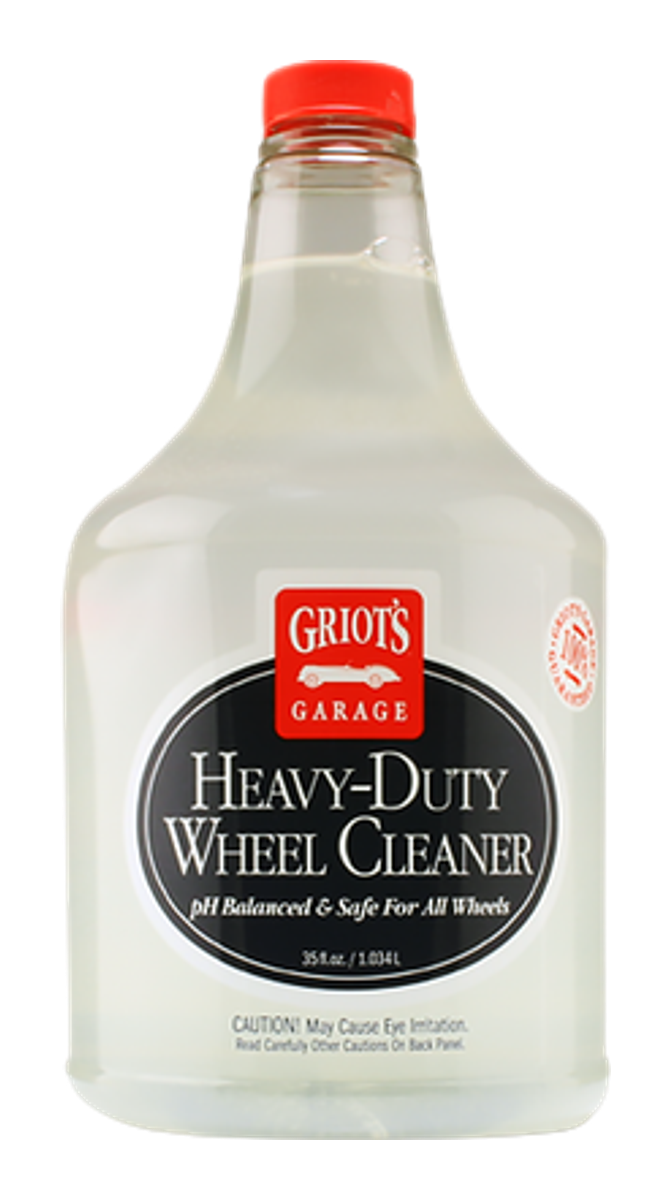
Griot's Garage Heavy-Duty Wheel Cleaner is a pH-neutral iron remover that combines thioglycolate chemistry with a gel formula designed to cling to vertical surfaces. Based on ChemCX analysis of 24 wheel cleaner products, this sits in the safer end of the spectrum for wheel finish compatibility while still delivering iron-reactive cleaning power.
What It Is
Griot's Garage brings a thoughtfully formulated wheel cleaner to market that prioritizes finish safety without sacrificing the iron-dissolving chemistry that makes modern wheel cleaners effective. This ready-to-use spray targets brake dust at the molecular level, using sodium thioglycolate to break the bond between embedded iron particles and your wheel surface. The color-changing indicator turns purple when it contacts iron contamination, giving you visual confirmation the product is working.
Specifications
| Attribute | Value |
|---|---|
| pH | 6.75 |
| Dilution Ratio | ready_to_use |
| Key Actives | Sodium Thioglycolate |
| Signal Word | Warning |
| Transparency | Excellent |
Category Context
| Metric | This Product | Category Average | Category Range |
|---|---|---|---|
| pH | 6.75 | 9.1 | 3.5 - 15 |
| Price/oz | $0.43 | $0.49 | $0.19 - $1.25 |
Where It Lands
The pH of 6.75 places this product significantly below the category average of 9.1. That gap matters because it represents a fundamentally different cleaning philosophy. Most wheel cleaners lean alkaline to boost grease-cutting power, but Griot's Garage chose near-neutral pH to maximize compatibility with sensitive wheel finishes—anodized aluminum, chrome, and coated wheels all tolerate neutral pH far better than high-alkaline alternatives.
At $0.43 per ounce, you're paying slightly below the category average while getting a premium feature set including the gel formula and odor-masking zinc salts. The ready-to-use format means no mixing, but also no dilution flexibility. For occasional weekend detailers, this is convenient. For professionals burning through product daily, the per-application cost adds up compared to concentrates in the $0.20 range.
How It Compares
Closest Alternatives
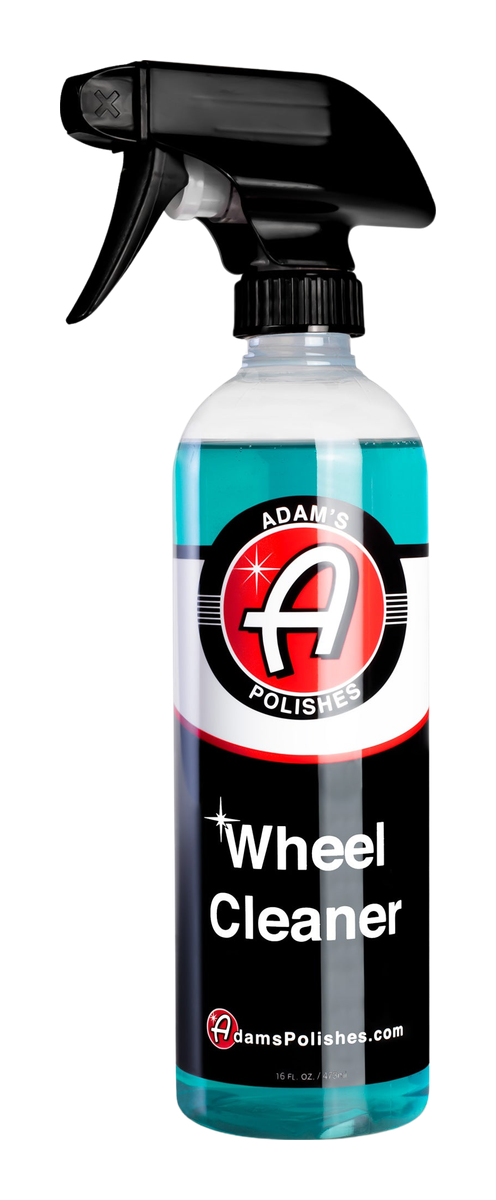
Adam's Polishes Deep Wheel Cleaner operates at nearly identical pH (7.0) with similar thioglycolate chemistry. The decision between these two often comes down to brand preference and availability rather than meaningful formula differences.
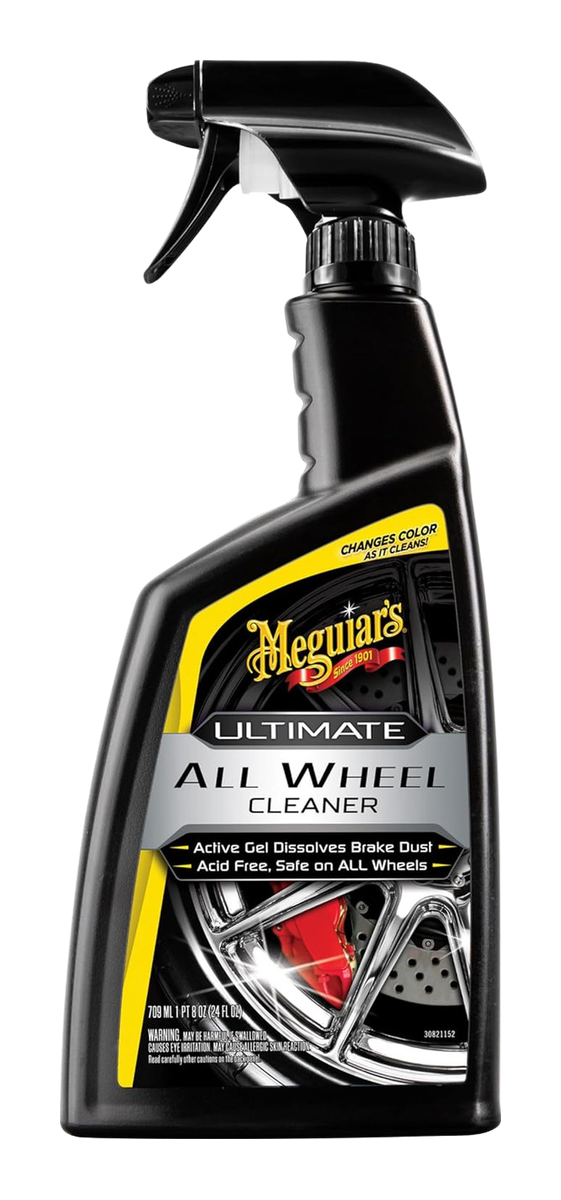
Meguiar's Ultimate All Wheel Cleaner also runs pH-neutral at 7.0. Meguiar's wider retail distribution makes it easier to find locally, which can be the deciding factor for convenience-focused buyers.
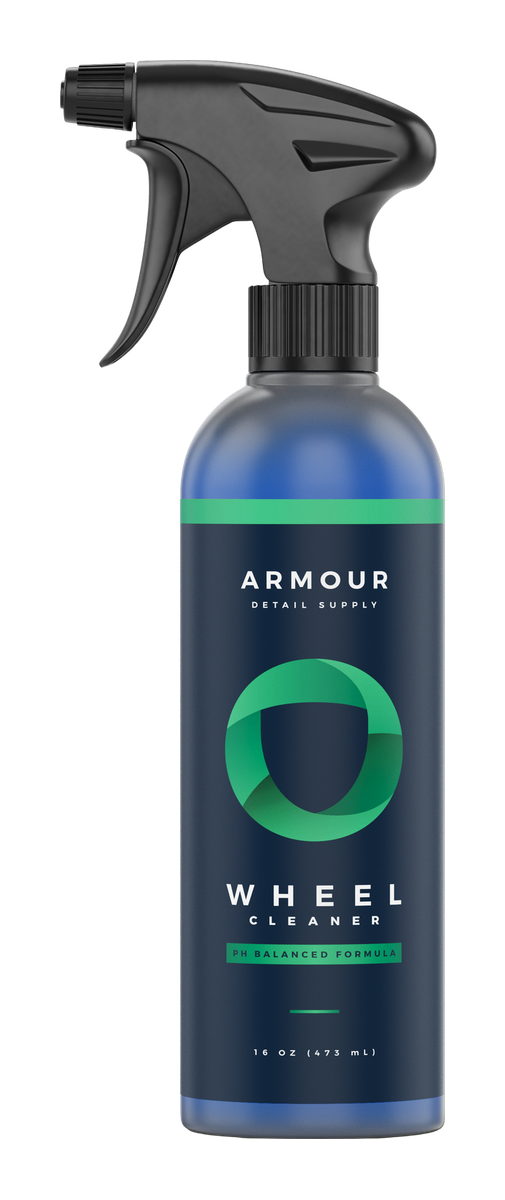
Armour Detail Supply Wheel Cleaner matches the pH approach but runs 28% more expensive. Unless you're specifically seeking Armour's product line for consistency across your detailing arsenal, the price premium doesn't correspond to documented formula advantages.
Compare These Products

How the Chemistry Works
The star ingredient here is sodium thioglycolate, present at a mid-range 3-5% concentration. This compound specifically targets iron contamination through a chelation process—it wraps around iron particles and forms stable complexes that release from the wheel surface and rinse away. The purple color change you see isn't just marketing theater; it's the visible result of iron-thioglycolate complex formation.
Griot's Garage included three surfactants in this formula: sodium lauryl sulfate for foam generation and grease cutting, and two variations of sodium alkyl sulfonates for additional cleaning power and biodegradability. The xanthan gum thickener creates the gel consistency that keeps the product clinging to vertical wheel surfaces instead of running off before the thioglycolate has time to work.
One clever formulation choice: zinc salts to neutralize the sulfur odor characteristic of thioglycolate products. If you've ever used an iron remover and noticed the "rotten egg" smell, that's the thioglycolate doing its job. The zinc compounds help mask this without affecting cleaning performance—a comfort feature rather than a functional one.
What We Like
- Excellent transparency rating means full ingredient disclosure. You know exactly what you're spraying on your wheels, which matters for sensitive finishes and informed purchasing decisions.
- pH-neutral safety eliminates worry about damaging anodized, chrome, or coated wheel finishes that high-alkaline cleaners can etch or discolor over time.
- Gel formula with xanthan gum provides genuine dwell time on vertical surfaces, letting the thioglycolate chemistry work longer before gravity wins.
What to Know
- Ready-to-use format removes dilution flexibility. You can't stretch the product for lighter cleaning jobs or concentrate it for heavy contamination.
- Mid-range thioglycolate concentration means this won't dissolve severe iron buildup as aggressively as stronger competitors. Multiple applications may be needed for neglected wheels.
- The "Warning" signal word indicates this still requires standard PPE despite the neutral pH. Thioglycolate can irritate skin and eyes regardless of the formula's overall pH balance.
Who Should Buy This
This wheel cleaner fits enthusiasts who maintain their vehicles regularly and prioritize finish protection over raw cleaning aggression. If you drive a vehicle with factory or aftermarket wheels in chrome, anodized aluminum, or specialty finishes, the pH-neutral approach eliminates a real risk. It's also a solid choice for anyone who's been put off by the sulfur smell of other iron removers—the zinc salt odor control makes the application experience noticeably more pleasant. Skip this if you're dealing with months of accumulated brake dust or need to stretch product costs through dilution.
The Bottom Line
Griot's Garage Heavy-Duty Wheel Cleaner delivers iron-removing chemistry wrapped in a finish-safe package. The pH-neutral formulation and gel consistency reflect genuine engineering decisions rather than marketing compromises. For regular maintenance on wheels you care about protecting, this is one of the safer bets in the category.
Want to see how this stacks up? Compare these 3 wheel cleaners
Frequently Asked Questions
Is this safe on all wheel types? The 6.75 pH makes it compatible with virtually all wheel finishes including chrome, anodized aluminum, powder-coated, and painted wheels. This is significantly safer than alkaline wheel cleaners that can etch sensitive finishes.
Why does it turn purple? The color change indicates iron-thioglycolate complex formation. When sodium thioglycolate contacts iron particles from brake dust, the resulting chemical complex has a purple/red color. More color means more iron contamination being dissolved.
Can I dilute this for lighter cleaning? No. This is a ready-to-use formula optimized at its current concentration. Diluting would reduce thioglycolate effectiveness below useful levels. If you want dilution flexibility, look for concentrate formulas in the category.
How does it compare to stronger alkaline wheel cleaners? Alkaline wheel cleaners (pH 12-14) attack both iron contamination and general grime more aggressively. The tradeoff is potential finish damage with repeated use. This product cleans iron specifically through chemistry rather than brute alkalinity.
Will it smell bad? Less than most iron removers. The zinc salts in the formula help neutralize the characteristic sulfur odor of thioglycolate products. You'll still notice some smell, but it's noticeably milder than competitors without odor control.