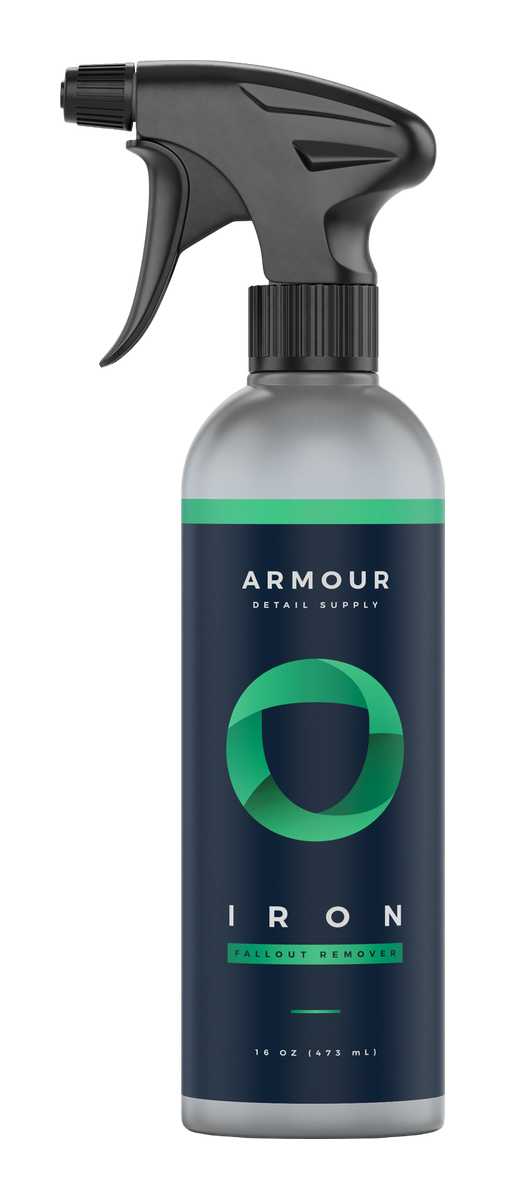
Armour Detail Supply Iron: ChemCX Analysis

Ranked Performance
Pricing
Badges
Quick Answer
Based on ChemCX analysis of 15 iron remover products, Armour Detail Supply Iron operates at pH 7—the scientifically optimal range for thioglycolate iron chelation where ferric iron stays soluble and the chelating agent has maximum binding efficiency. At $0.55/oz (below the $0.76 category average), it suits detailers who want effective iron removal without acidic chemistry.
What It Is
Armour Detail Supply Iron is a ready-to-use iron remover that uses thioglycolate chemistry, the same iron-dissolving approach found in most dedicated fallout removers, but runs at a neutral pH of 7, making it gentler on surfaces than acidic alternatives. As an RTU product, it requires no mixing or dilution before application, though this typically means higher cost per use compared to concentrates.
Specifications
| Attribute | Value |
|---|---|
| pH | 7 |
| Dilution Ratio | ready_to_use |
| Key Actives | (2-Hydroxyethyl)ammonium Mercaptoacetate |
| Signal Word | Warning |
| Transparency | good |
Category Context
| Metric | This Product | Category Average | Category Range |
|---|---|---|---|
| pH | 7 | 6.3 | 3 - 7.5 |
| Price/oz | $0.55 | $0.76 | $0.41 - $1.41 |
Where It Lands
At pH 7, this lands at the pH neutral end of the iron remover spectrum, where most competitors cluster. The neutral-to-slightly-alkaline environment keeps the thioglycolate chemistry active without acid acceleration—gentler on wheels and trim but requiring longer dwell times on heavy contamination. For regular maintenance on lightly contaminated surfaces, this approach works well. For track-day brake dust buildup, you may need multiple applications.
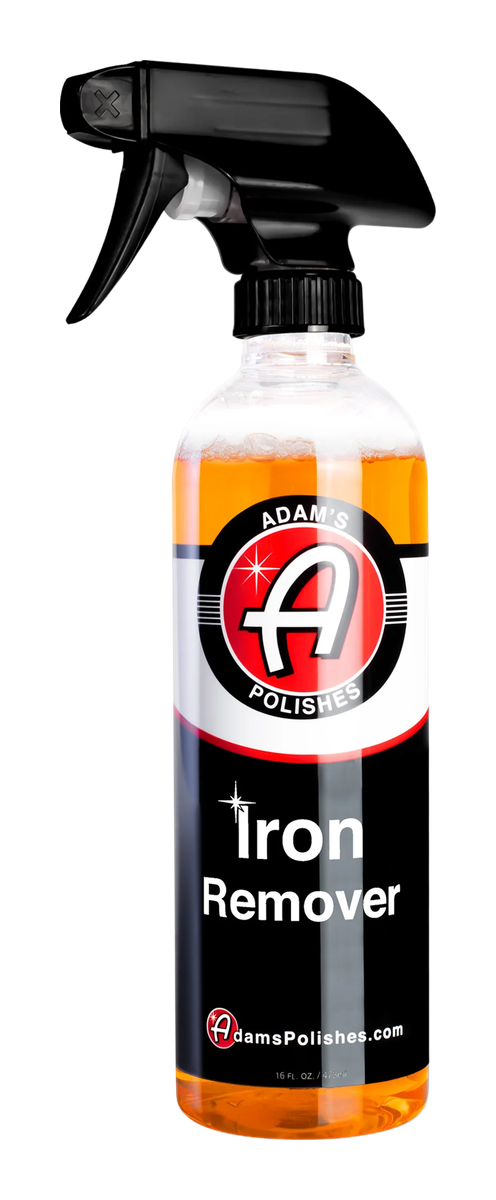
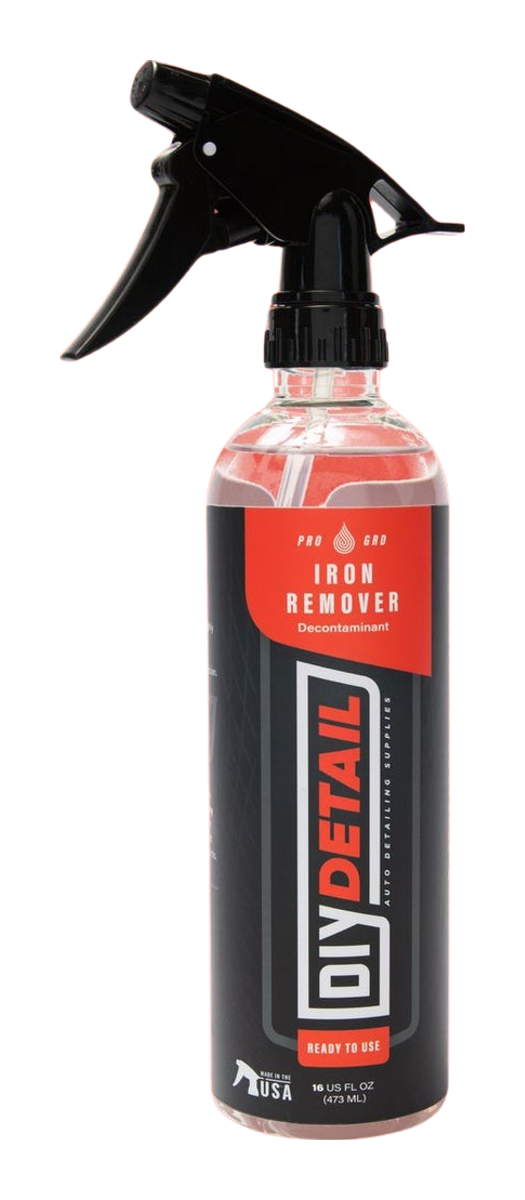
At $0.55/oz, this sits 28% below the category average. Adam's Iron Remover offers nearly identical chemistry at $0.44/oz. DIY Detail's version matches the pH exactly but costs $1.41/oz—difficult to justify for equivalent active chemistry.
How It Compares
Closest Alternatives
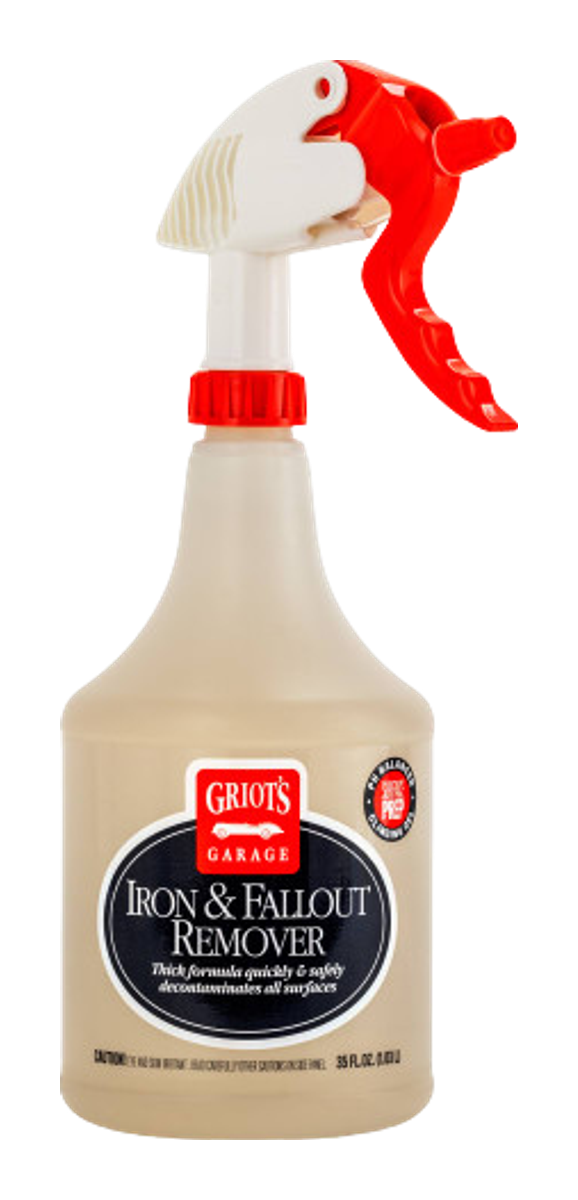
Griot's Garage Iron and Fallout Remover shares the neutral pH approach at 7.25, making it equally safe for coated surfaces.
Adam's Polishes Iron Remover costs 25% less at roughly $0.41/oz while maintaining the same thioglycolate chemistry and neutral pH. Formula performance is nearly identical.
DIY Detail Iron Remover matches the pH exactly but costs 156% more.
Compare These Products
How the Chemistry Works
(2-Hydroxyethyl)ammonium mercaptoacetate at 5-12% drives the iron removal chemistry here. This thioglycolate compound reacts directly with iron particles embedded in paint and wheels, breaking the iron-oxygen bonds and producing that characteristic purple color change. The ethanolamine base in this particular thioglycolate variant creates a milder formulation than pure thioglycolic acid while preserving the iron-reactive mechanism.
The surfactant system uses a single nonionic component, C12-14 secondary alcohol ethoxylates, which provides wetting and rinsing without generating excessive foam. Secondary alcohols offer different spreading characteristics than the primary alcohol ethoxylates found in many competing products.
Disodium 4,5-dihydroxybenzene-1,3-disulphonate
adds a secondary chelating function, binding metal ions that might otherwise interfere with the thioglycolate reaction. This dual-chelation approach, one ingredient targeting iron specifically, another sequestering competing metals, helps the active ingredient work more efficiently.
What We Like
- True pH-neutral at 7 — safe on ceramic coatings, polished aluminum, and anodized trim where alkaline iron removers can etch or dull finishes over repeated use
- Ammonium thioglycolate instead of sodium — eliminates the H290 metal corrosion hazard found in every other thioglycolate product, meaning less risk to chrome, bare metal trim, or exhaust tips
- Class 9 transport vs Class 8 Corrosive — the mildest shipping classification of any iron remover suggests genuinely reduced chemical aggression, not just marketing claims
What to Know
- Neutral pH 7 with thioglycolate chemistry makes this safe for coatings and wraps, but the tradeoff is slower reaction time on heavy contamination—plan for 3-5 minute dwell times versus 1-2 minutes with acidic formulas
Who Should Buy This
This neutral-pH iron remover suits detailers working on coated vehicles, fresh paint, or surfaces where alkaline products pose risks. If budget matters, Adam's Polishes Iron Remover delivers similar thioglycolate chemistry at 25% lower cost. For heavy industrial fallout on uncoated panels, an alkaline iron remover may work faster.
Want to see how this stacks up? Compare these 3 iron removers
Frequently Asked Questions
Is Armour Detail Supply Iron safe for ceramic coatings and all wheel finishes? With a neutral pH of 7, this formula poses minimal risk to ceramic coatings, clear coats, and most wheel finishes including polished aluminum. The "Warning" signal word relates to the thioglycolic acid content—avoid skin contact and work in ventilated areas, but the surface itself isn't at risk from pH damage.
Why does this product turn purple on my wheels? The thioglycolate chemistry reacts with iron particles embedded in your surfaces, creating a water-soluble purple compound that rinses away. This color change confirms the product is actively dissolving brake dust and rail dust contamination rather than just loosening it.
How does Armour Detail Supply Iron compare to Adam's Iron Remover? Both use similar neutral-pH thioglycolate chemistry (pH 7 vs 7.5), so performance should be comparable. Adam's costs about 25% less per ounce, making it the better value unless you prefer Armour's specific formulation or availability.