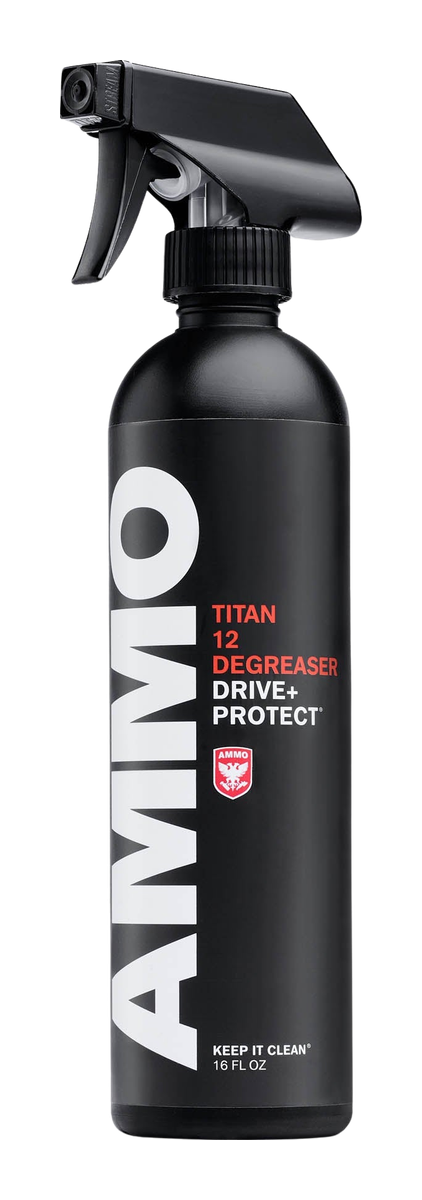
AMMO NYC Titan 12 Degreaser: ChemCX Analysis

Ranked Performance
Pricing
Badges
AMMO NYC Titan 12 Degreaser is a ready-to-use alkaline all-purpose cleaner built around one idea: use the same bottle on almost everything. Paint, plastic trim, engine bays, wheels, interiors, undercarriages, convertible tops. Where most detailers keep a rotation of dedicated cleaners for each of those surfaces, Titan 12 consolidates the job. It cuts through grease and oil-based contamination across all of them, and it handles oddball tasks like removing sunscreen and lotion residue from leather and plastic interior panels.
Sodium metasilicate is the primary cleaning agent. It saponifies oils and greases on contact, converting them from sticky films into water-soluble material that rinses clean. The surfactant system pairs three types, anionic, nonionic, and amphoteric, which is what gives it that broad surface compatibility. Amphoteric surfactants are mild enough for interior surfaces while the anionic agents pull their weight on heavy engine bay grease. The formula doesn't try anything unusual. It builds a solid alkaline foundation and leans on a well-matched surfactant blend to stretch it across more surfaces than most APCs attempt.
Specifications
| Attribute | Value |
|---|---|
| pH | 12.25 |
| Dilution Ratio | ready_to_use |
| Key Actives | Sodium Metasilicate Pentahydrate |
| Signal Word | WARNING |
| Transparency | excellent |
| Biodegradable | Not disclosed |
Category Context
| Metric | This Product | Category Average | Category Range |
|---|---|---|---|
| pH | 12.25 | 11.3 | 7 - 13.6 |
| Price/oz | $0.47 | $0.52 | $0.09 - $1.18 |
Where It Lands
Titan 12 sits in the upper-middle tier of the APC category, alkaline enough to handle greasy engine bays and baked-on sunscreen, but a full point below the harshest degreasers on the market. At pH 12.25 ready-to-use, it runs nearly a full unit above the category average, which means real cutting power without the material-risk profile of a pH 13+ stripper. That's the sweet spot for a product marketed as safe on paint and interior plastics alike.
For routine interior wipe-downs or lightly soiled surfaces, it's more chemistry than you need. A neutral or mildly alkaline cleaner would do the job without the gloves. Where Titan 12 earns its keep is on oil-based contamination across mixed substrates. At $0.47/oz with no dilution step, it costs roughly 75% more per ounce than 3D All Purpose Cleaner at comparable pH. The premium buys convenience and AMMO's broader substrate claim, not stronger chemistry.
How It Compares
Closest Alternatives
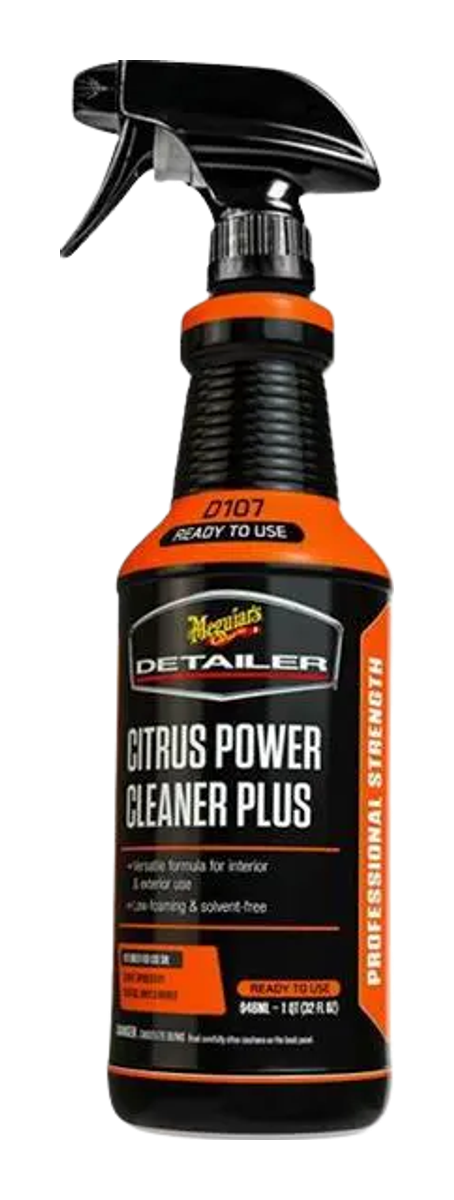
Meguiar's Citrus Power Cleaner Plus D107 lands at pH 12.5, the closest alkaline match in the category. Both rely on strong alkalinity for degreasing rather than solvent action, and both target the same broad surface list. The slight pH bump gives D107 marginally more bite on heavy grease, at a comparable price per ounce.
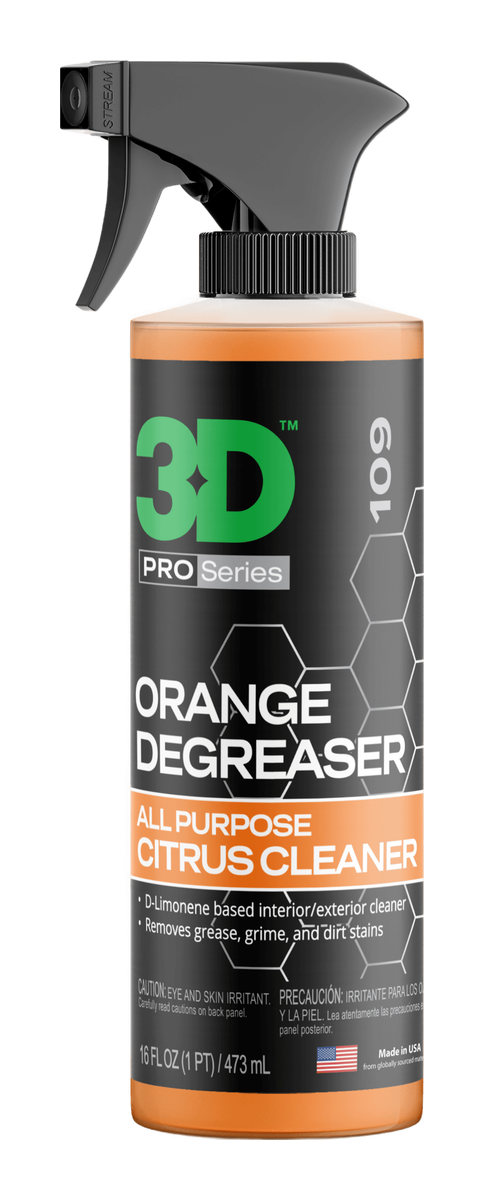
3D Orange Degreaser pairs its alkaline base (pH 12) with d-limonene, a citrus solvent that dissolves petroleum-based soils through a different mechanism than straight alkalinity. That solvent component adds grease-cutting ability without pushing pH higher, a useful distinction for oily engine work.
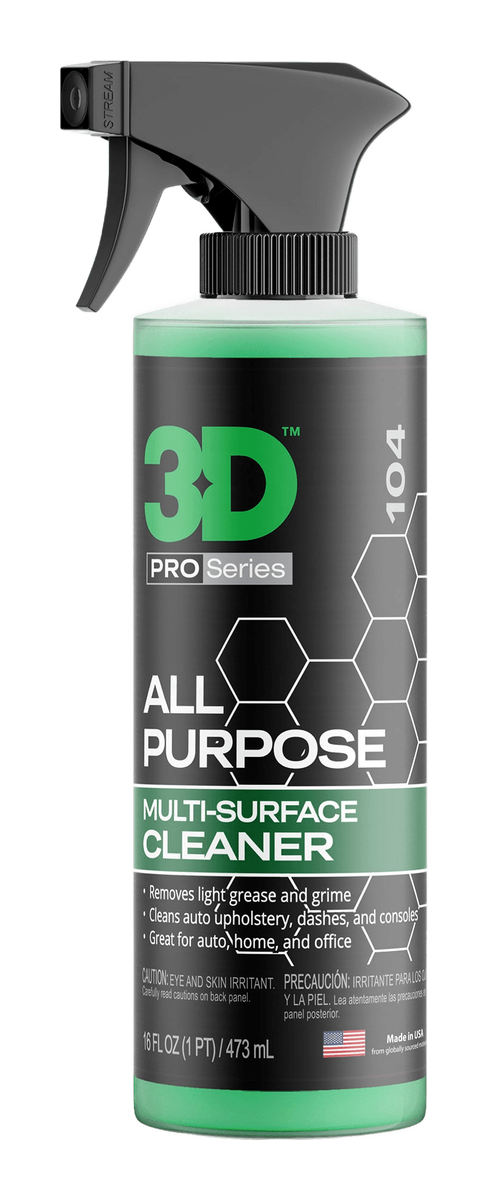
3D All Purpose Cleaner delivers pH 12 cleaning at $0.27/oz, 43% less per ounce. It skips specialty solvents in favor of straightforward alkaline chemistry, making it a leaner formulation for the same general tasks.
Compare These Products

How the Chemistry Works
Titan 12's cleaning system works in layers. Sodium metasilicate pentahydrate drives the alkaline backbone, saponifying greasy films, turning oils into water-soluble soaps that rinse clean. But at ≤1% concentration, it's doing just enough alkaline heavy lifting to hit that 12.25 mark without overwhelming the formula. The cleaning breadth comes from the triple-surfactant system working in tandem: sodium dodecylbenzene (anionic) attacks oily contamination head-on, breaking it into tiny droplets. C9-11 Pareth-8 (nonionic) lowers surface tension so the formula wets out across panels instead of beading up. Disodium cocoamphodiacetate (amphoteric) bridges the two, stabilizing foam and softening the overall system so it doesn't strip surfaces unnecessarily. Tetrasodium EDTA rounds out the mechanism by sequestering hard-water minerals that would otherwise deactivate the surfactants mid-clean. The result: consistent performance whether you're on well water in rural Texas or city water in Manhattan.
Butoxyethanol and d-limonene handle what alkalinity and surfactants can't, dissolving petroleum-based grime and adhesive residues through direct solvent action. That faint citrus note users detect on application comes from the d-limonene doing double duty as both solvent and fragrance.
Disodium cocoamphodiacetate is the quiet formulation decision that makes Titan 12 work as a multi-surface product. Most aggressive degreasers lean entirely on anionic surfactants for maximum soil removal, but anionics alone can feel harsh, strip waxes faster than necessary, and leave surfaces feeling dry. By pairing an amphoteric surfactant into the blend, the formulator reduces the irritation potential of the anionic component and generates a denser, more stable foam structure. That cling matters in practice: vertical surfaces like wheel barrels, fender wells, and engine bay sidewalls hold the product longer, giving the alkaline chemistry and solvents more dwell time before gravity wins. It's a choice that trades a small amount of peak degreasing aggression for genuine surface versatility.
Ten disclosed ingredients is unusual for a ready-to-use APC, and the list reads as functionally complete: builder, three surfactants, chelator, two solvents, preservative, colorant, and water. No thickening agents like xanthan gum appear, which means the product relies entirely on surfactant interaction for whatever viscosity and foam structure it generates. No corrosion inhibitors are listed either, a meaningful absence given the alkaline strength. Products in this range sometimes include silicate-based corrosion inhibition, and sodium metasilicate pentahydrate can serve that dual role, protecting aluminum from alkaline attack while cleaning. Whether ≤1% provides meaningful corrosion protection during extended dwell times on bare metal is an open question the disclosure doesn't resolve.
What We Like
- Single-bottle workflow across incompatible surfaces — Most APCs at this alkalinity level carry restrictions against paint or interior use. Titan 12's surfactant balance lets it work on engine bays and painted panels in the same session without switching products, which cuts detailing time and shelf clutter.
- RTU format eliminates dilution guesswork — At $0.47/oz with no mixing required, you get consistent alkalinity every application. Concentrate-based APCs often land at wildly different pH levels depending on who's measuring, which matters when the substrate is leather or soft-touch plastic.
- Sunscreen and lotion removal on interiors — Oil-based sunblock bonds tenaciously to dashboards and leather. The metasilicate backbone saponifies those films without requiring the solvent-heavy formulas that dry out interior surfaces over repeated use.
What to Know
- Ready-to-use convenience costs you flexibility — There's no way to dial down the strength for light maintenance wipes or dial it up for heavy degreasing. You get one concentration for every task, which means the chemistry is sometimes overkill for interior dust and sometimes underpowered for caked engine grime.
- Versatility across surfaces trades away coating safety — The alkalinity that saponifies sunscreen and brake dust also saponifies wax and sealant layers. Every use on protected paint erodes whatever sacrificial coating you've applied. Plan to reapply protection after deep cleans.
- No eco disclosures to lean on — If biodegradability or environmental impact matters to your workflow, this product gives you nothing to verify. Gloves are worth wearing given the alkalinity, but the bigger gap is the absence of any third-party environmental data.
Who Should Buy This
If you're tackling a full detail where engine bays, painted panels, and interior surfaces all need degreasing in one session, Titan 12 pulls its weight by eliminating bottle swaps. The single-formula approach matters most when contamination varies surface to surface like sunscreen on leather armrests, road film on wheel wells, or oil mist on engine covers, and you need alkaline saponification working across all of them without worrying about substrate damage. For someone maintaining multiple vehicles on a regular schedule, the RTU format and broad surface compatibility make grab-and-spray degreasing pricey but effortless.
Want to see how this stacks up? Compare these 3 all purpose cleaners
Frequently Asked Questions
Can I safely use Titan 12 on ceramic-coated or waxed paint? Yes, for spot degreasing and wash prep. The alkaline chemistry will strip wax and degrade sealants on contact, so plan to reapply protection afterward. On ceramic coatings, brief dwell times won't damage the coating itself, but prolonged soaking isn't advisable. Always test on an inconspicuous area first.
Why does Titan 12 work on sunscreen when regular car soap doesn't? Sunscreen contains oil-soluble UV filters that neutral-pH soaps can't emulsify. Sodium metasilicate pentahydrate saponifies those oils directly, converting them into water-rinsable soaps. That's the same mechanism that makes it effective on engine grease, just applied to a lighter film.
How does Titan 12 compare to 3D All Purpose Cleaner for interior work? 3D APC runs slightly milder and costs less per ounce, making it better suited for routine interior maintenance at high volume. Titan 12's richer surfactant package gives it an edge on stubborn oil-based stains like lotions and body oils, where the cheaper formula needs more agitation.