3D Bug Remover: ChemCX Analysis

Pricing
Badges
Quick Answer
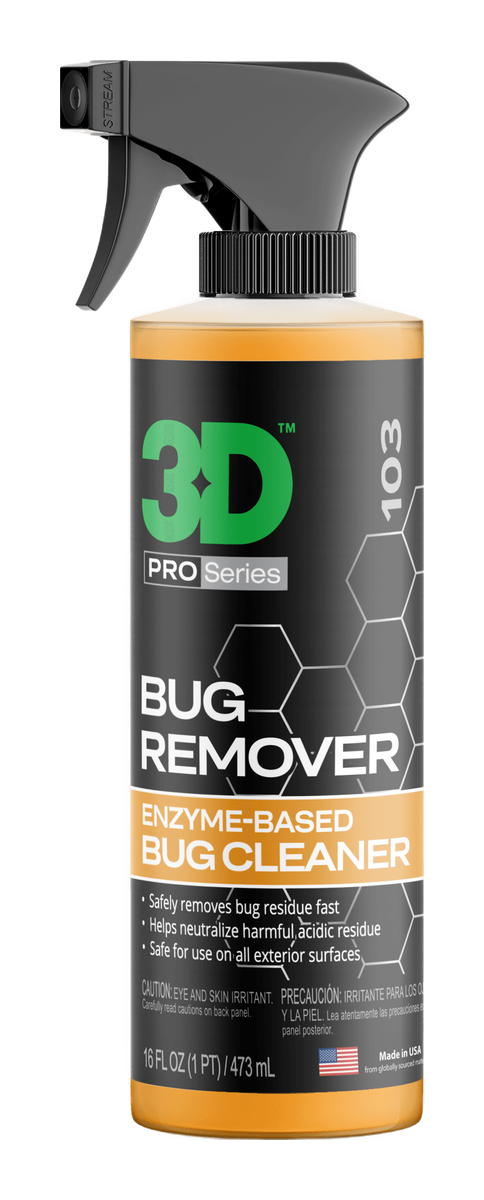
3D Bug Remover is a high-alkaline, ready-to-use formula that sits at pH 12, well above the category average of 10.9. Based on ChemCX analysis of 14 bug remover products, this is an aggressive option that prioritizes cleaning power over gentleness, priced at less than half the category average.
What It Is
3D Bug Remover is a ready-to-use bug remover from 3D that uses an alkaline chemistry approach to dissolve insect remains. The formula combines sodium hydroxide with EDTA chelation and a single surfactant system. At $0.27 per ounce, it's positioned as a budget-friendly option for users who need strong cleaning power without the complexity of dilution.
Specifications
| Attribute | Value |
|---|---|
| pH | 12 |
| Dilution Ratio | ready_to_use |
| Key Actives | Sodium Hydroxide |
| Signal Word | Danger |
| Transparency | Moderate |
Category Context
| Metric | This Product | Category Average | Category Range |
|---|---|---|---|
| pH | 12 | 10.9 | 8 - 13 |
| Price/oz | $0.27 | $0.57 | $0.12 - $1.67 |
Where It Lands
A pH of 12 places 3D Bug Remover in the upper tier of alkalinity for this category. That's 1.1 points above the average, which translates to roughly 10 times more alkaline than a pH 11 product due to the logarithmic nature of the pH scale. This means faster breakdown of protein-based bug residue, but it also means greater potential for surface damage if used carelessly.
The pricing tells an interesting story. At $0.27 per ounce, you're paying 53% less than the category average. Combined with the Danger signal word, this suggests 3D optimized for raw cleaning performance rather than premium formulation or safety margins. You get aggressive chemistry at an accessible price point—a tradeoff that makes sense for certain users but not others.
How It Compares
Closest Alternatives
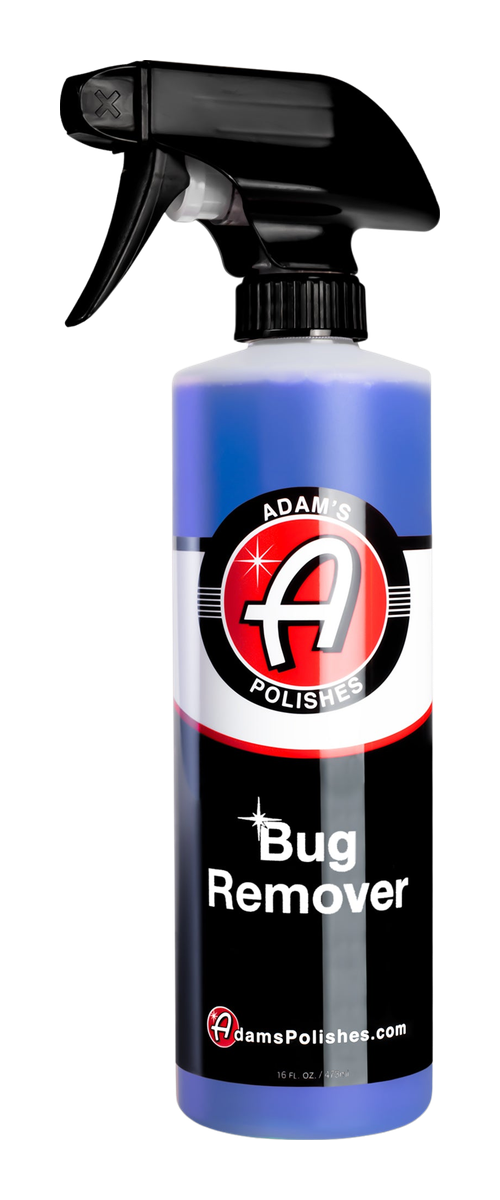
Adam's Polishes Bug Remover matches the pH 12 of 3D Bug Remover, making it the most direct comparison. If you're choosing between these two, the decision likely comes down to brand preference and availability since the core chemistry approach is similar.
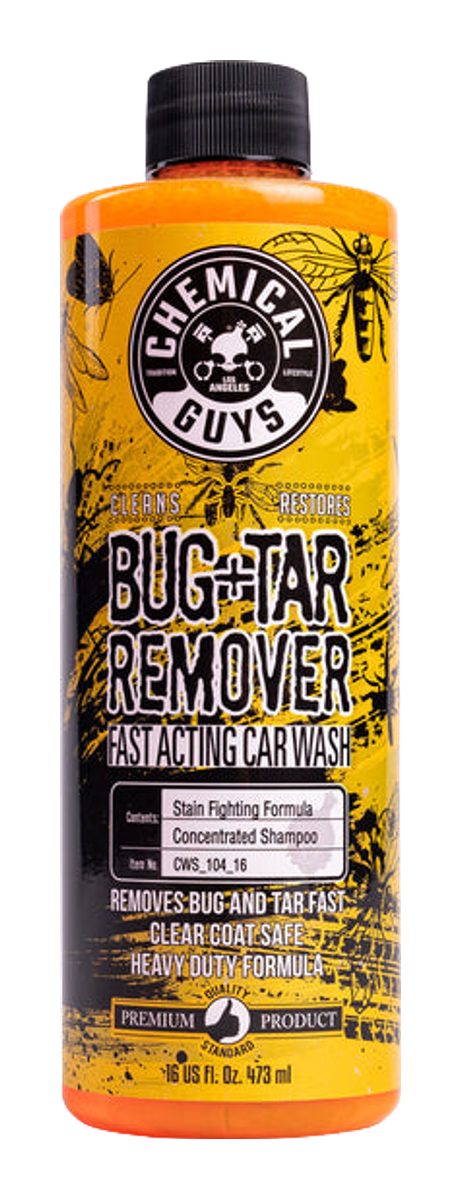
Chemical Guys Bug & Tar Remover operates at pH 11.4, making it roughly 4 times less alkaline than 3D's formula. It costs 44% more per ounce. Choose this if you want slightly more surface safety margin and don't mind paying extra for it.
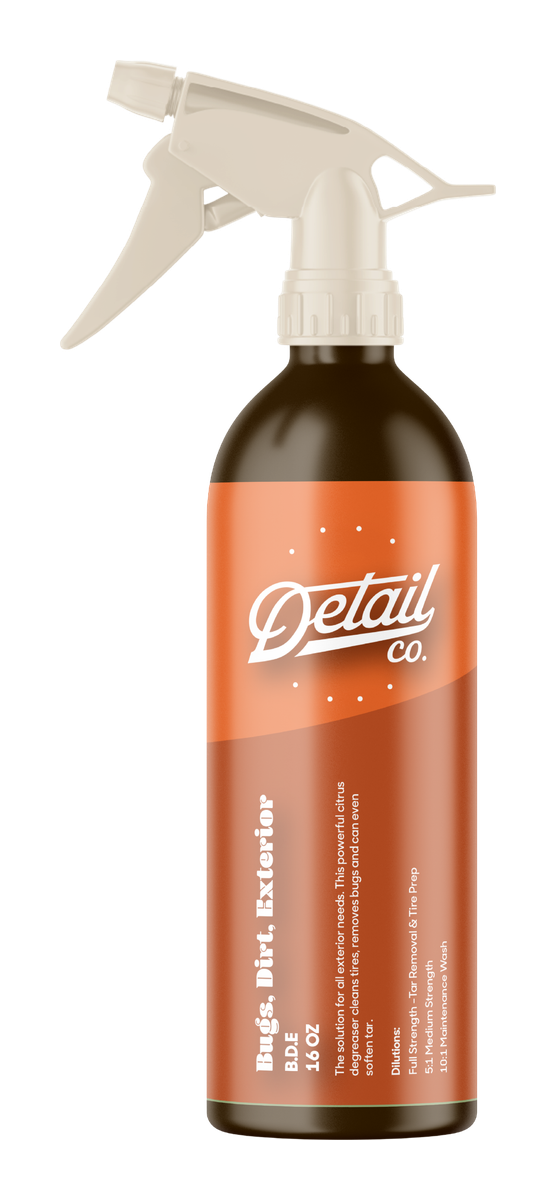
Detail Co. B.D.E sits at pH 11.5 but costs 107% more than 3D Bug Remover. The lower alkalinity provides more forgiveness on sensitive surfaces, but you're paying a significant premium for that gentleness.
Compare These Products


How the Chemistry Works
The foundation of this formula is sodium hydroxide, a strong alkali that excels at breaking down organic matter. Bug splatter is primarily protein and chitin—the same material that makes up insect exoskeletons. Sodium hydroxide denatures proteins by breaking peptide bonds, effectively liquefying dried bug residue so it can be wiped away.
The inclusion of EDTA adds a chelating function that many bug removers lack. EDTA binds to metal ions in water, preventing them from interfering with the cleaning process. If you're working in a hard water area, this matters. Without chelation, calcium and magnesium in your water can react with surfactants and leave deposits. EDTA keeps the cleaning chemistry working efficiently.
The single surfactant—likely a C9-11 ethoxylated alcohol based on typical formulations in this category—handles the final step. Once sodium hydroxide breaks down the bug residue, the surfactant lifts those broken-down particles off the surface and suspends them in the rinse water. One surfactant keeps the formula simple but effective.
What We Like
- Straightforward alkaline power — The pH 12 formulation doesn't mess around. For heavily bug-splattered front ends after highway driving, this aggressive approach gets results faster than milder alternatives.
- EDTA chelation — A practical addition that improves performance in hard water conditions without adding complexity or cost.
- Budget-friendly pricing — At $0.27 per ounce, you can use this generously without worrying about cost per application.
What to Know
- The Danger signal word is earned — pH 12 with sodium hydroxide requires respect. Wear gloves, protect your eyes, and don't let this product dry on surfaces.
- No dilution flexibility — The ready-to-use format means you can't dial back the strength for lighter jobs or sensitive surfaces. What you get is what you get.
- Surface compatibility matters — The high alkalinity can damage certain clear coats, trim plastics, and uncoated aluminum if left on too long. Test in an inconspicuous area first and rinse promptly.
Who Should Buy This
3D Bug Remover makes sense for users who encounter heavy bug contamination regularly and want an affordable, no-nonsense solution. If you're comfortable handling strong alkaline products and already own chemical-resistant gloves, the aggressive chemistry delivers fast results at a low cost. It's less ideal for detailers working on high-end vehicles with sensitive finishes, or anyone who wants a single product safe enough to use without precautions.
The Bottom Line
3D Bug Remover delivers strong alkaline cleaning power at a price that undercuts most of the category. The Danger signal word and pH 12 formulation demand proper handling, but users who need aggressive bug removal on a budget will find this formula effective.
Want to see how this stacks up? Compare these 3 bug removers
Frequently Asked Questions
Is 3D Bug Remover safe on all paint types? The pH 12 formulation can be aggressive on sensitive clear coats. Always test in an inconspicuous area first, apply to cool surfaces, and rinse within the recommended dwell time. Don't let it dry on the surface.
Why does this product have a Danger signal word? The sodium hydroxide content at this concentration can cause skin burns and eye damage. This is standard for pH 12 alkaline cleaners. Wear gloves and eye protection during use.
Can I dilute this product to make it milder? While you technically can add water, the ready-to-use formulation means the surfactant and chelating agent ratios are optimized for this concentration. Diluting may reduce overall effectiveness rather than just lowering pH.
How does EDTA help with bug removal? EDTA binds calcium and magnesium ions in hard water that would otherwise reduce surfactant effectiveness. It doesn't directly attack bug residue but ensures the rest of the formula works optimally.
Is this product better than pH-neutral bug removers? It's more aggressive, not necessarily better. pH-neutral options are safer on sensitive surfaces but may require more dwell time or agitation on heavy contamination. Choose based on your specific situation.